Tips for Safer and Faster Demolition and Debris Removal in Kansas City
Every safe and smart building project starts with clearing the way, and that usually means demolition and debris removal. Whether you’re tearing down a full structure or just clearing an area for upgrades, the cleanup matters as much as the teardown. It takes more than powerful machines. It takes thoughtful timing and sound preparation. In Kansas City, late winter adds an extra layer to that planning. Snow, freezing temps, and short days can slow things down or put crews at risk if they’re not ready. That’s why the season shapes how we approach every part of the job. If you want a smoother project, it begins with a strong plan and smart safety steps from day one.
Planning Before the Demo Starts
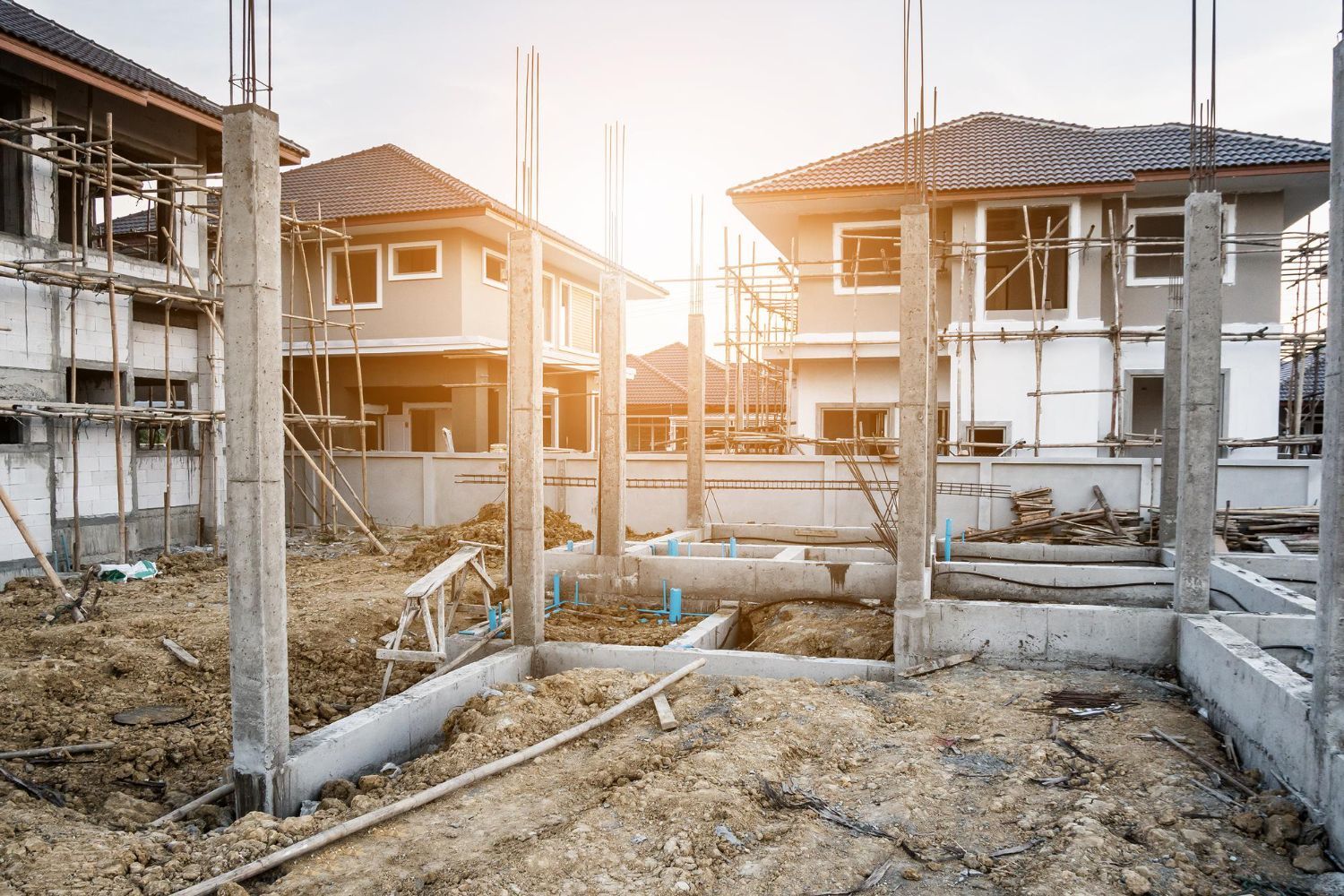
Not every demolition job is the same, and what happens before the machines roll in plays a big role in how smoothly everything goes. The first thing we help figure out is the purpose of the demo. Are we clearing space for a brand-new building? Tearing down a damaged structure? Or just opening up part of the site for something new?
Once the reason is clear, we move on to permits and prep. In Kansas City, winter can stretch permit timelines. Some offices are short-staffed around the holidays, and weather delays can push back inspections and planning meetings. That’s why we leave extra time for paperwork and scheduling.
Work hours also shrink in cold months. The sun sets earlier, and morning frost can hold up outdoor work. Frozen ground may sound like a plus, but it can slow down excavation or make it harder to sort buried materials. We weigh all of that before setting a start date. Planning with both the job’s goal and the season in mind helps avoid last-minute problems that throw the whole timeline off.
Clear Communication with Crews and Neighbors
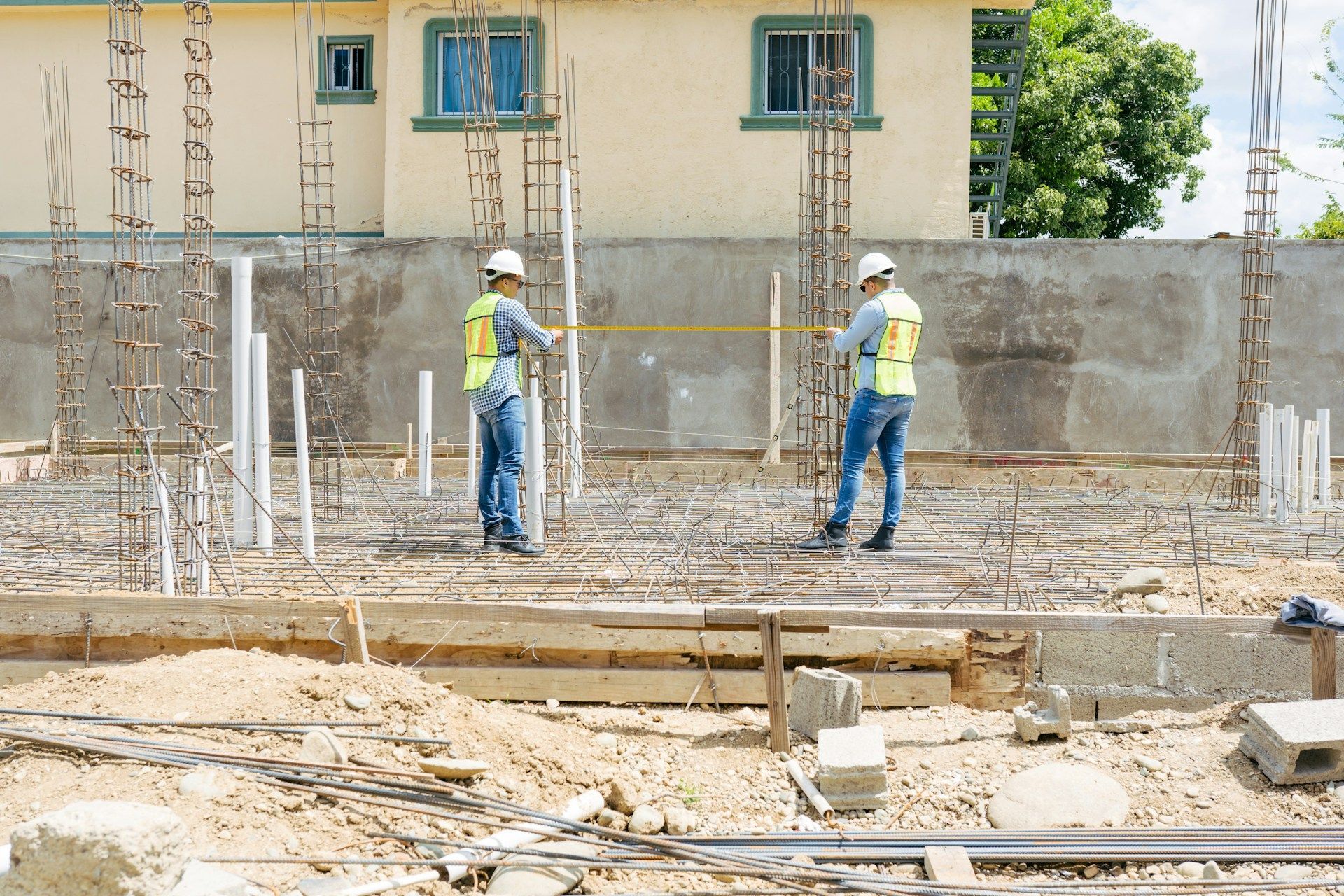
Demolition work can impact more than just the building it's focused on. Good coordination helps keep both job sites and nearby areas as safe as possible. Before work starts, we check that everyone on the crew knows the schedule, the layout, and their specific roles. Having that in place means fewer mistakes and fewer delays.
It’s not just about the team doing the work, though. Neighbors and nearby businesses appreciate a heads-up too. If sidewalks will close or noise will pick up for a few days, early warning goes a long way. We always share when trucks will arrive, how streets might be affected, and what kind of work is happening each day.
Safety signs and fencing are part of that communication too. Simple signs keep visitors and pedestrians from walking into dangerous zones by mistake. Strong fencing clearly marks where the site begins and helps prevent accidents before they happen. That mix of planning and notice helps everyone stay safe and stick to schedule.
Staying Ahead of Kansas City Winter Weather
Kansas City weather in February can shift fast. One day might be cold but dry. The next could bring snow or freezing rain. Planning ahead for that kind of change is part of keeping a demolition job moving safely.
We watch the forecast every day on active sites because winter affects almost everything. Cold snaps can freeze pipes if they weren’t shut off properly, and icy paths can turn even a simple walk across the site into a slip risk. Heavy equipment slows down too when conditions shift from dry dirt to frozen or muddy ground.
A few steps make a difference.
• Covering piles of debris with tarps keeps snow or rain from making concrete and wood harder to move.
• Spreading rock or gravel along access routes prevents equipment from sinking in or skidding on mud.
• Keeping de-icing salt nearby for walkways and steps is just part of winter site safety.
When the forecast shows rough days ahead, it’s smarter to pause for a few hours than to push through and risk an accident. Kansas City winters reward those who stay flexible and put safety before speed.
Smarter Debris Sorting and Removal
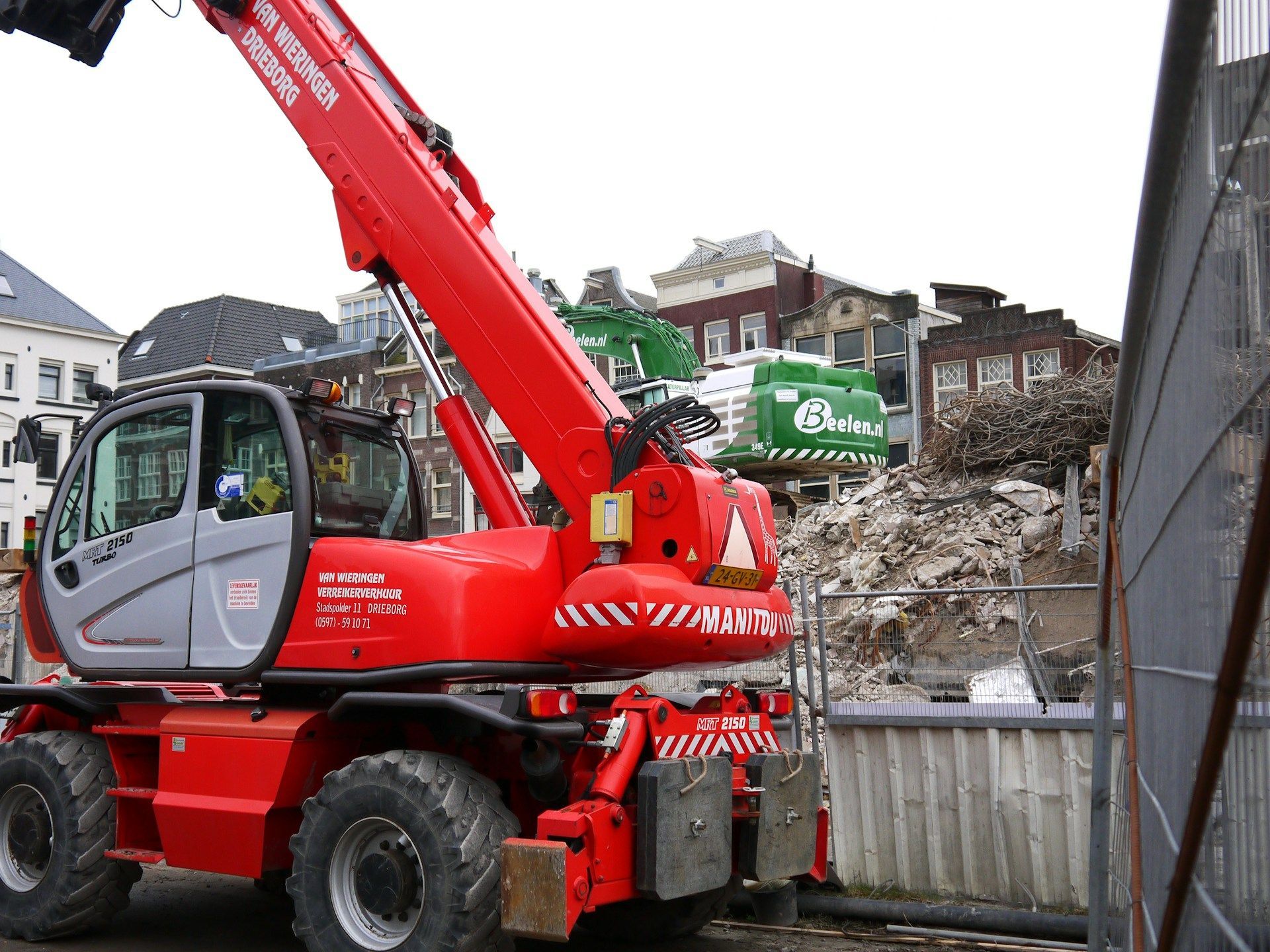
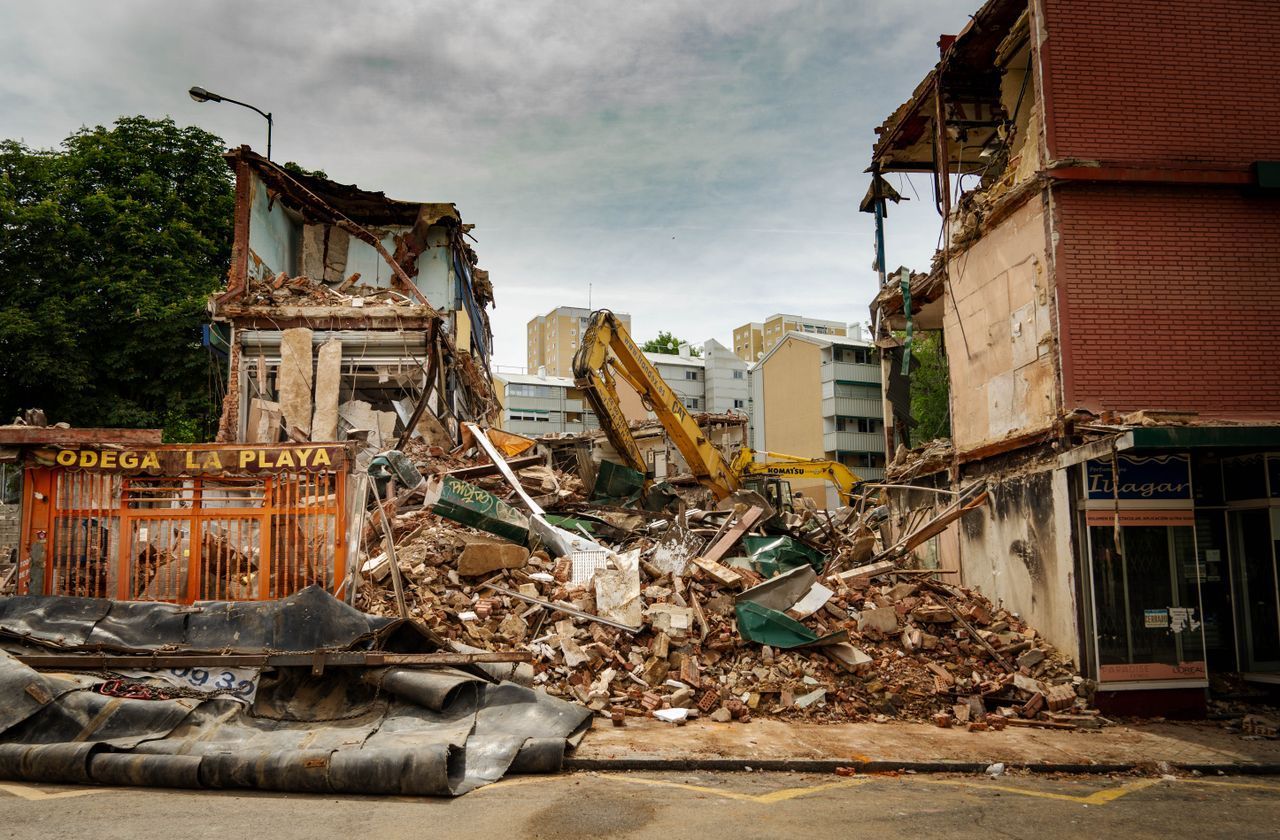
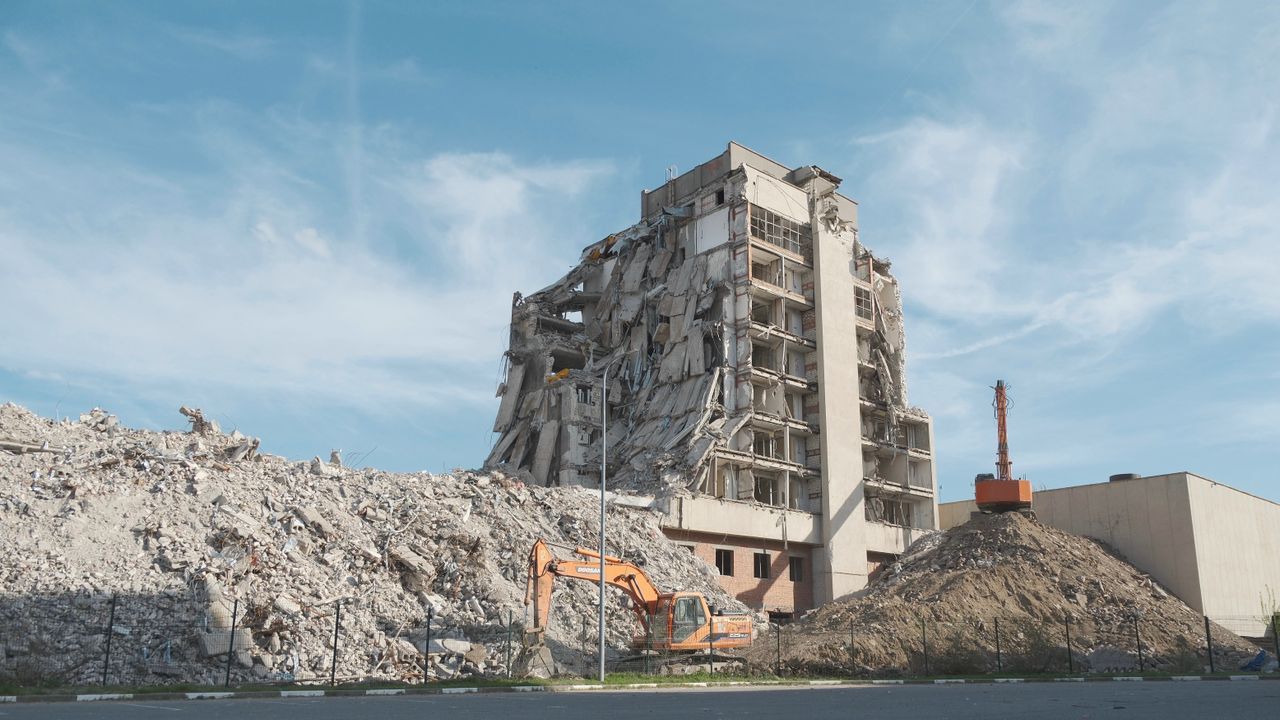
Once demolition begins, the job starts to move faster, and the work shifts from taking things down to cleaning everything up. But debris doesn’t just get hauled away without thought. Some parts can be recycled, others must be handled carefully, and mixing them randomly only slows things down.
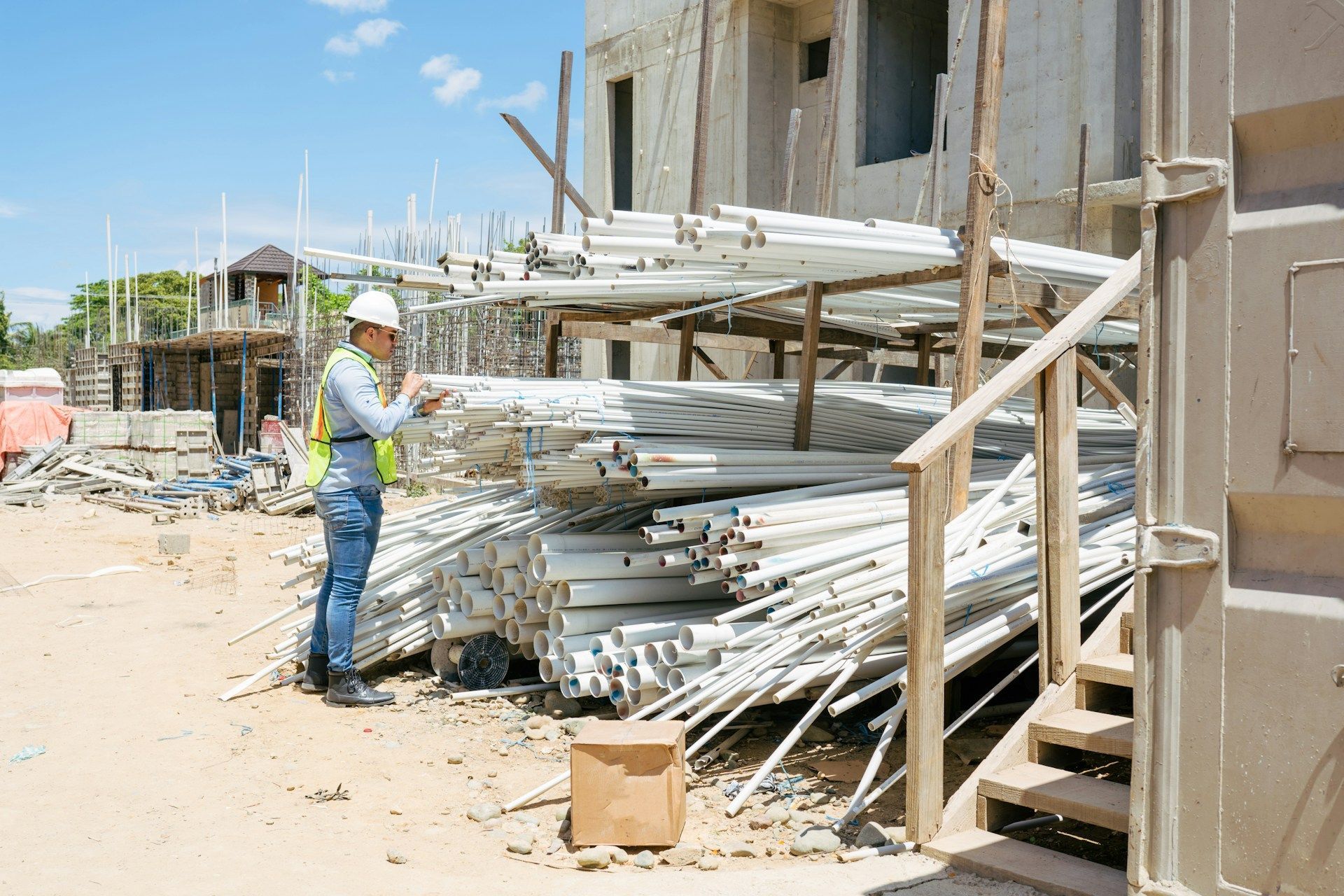
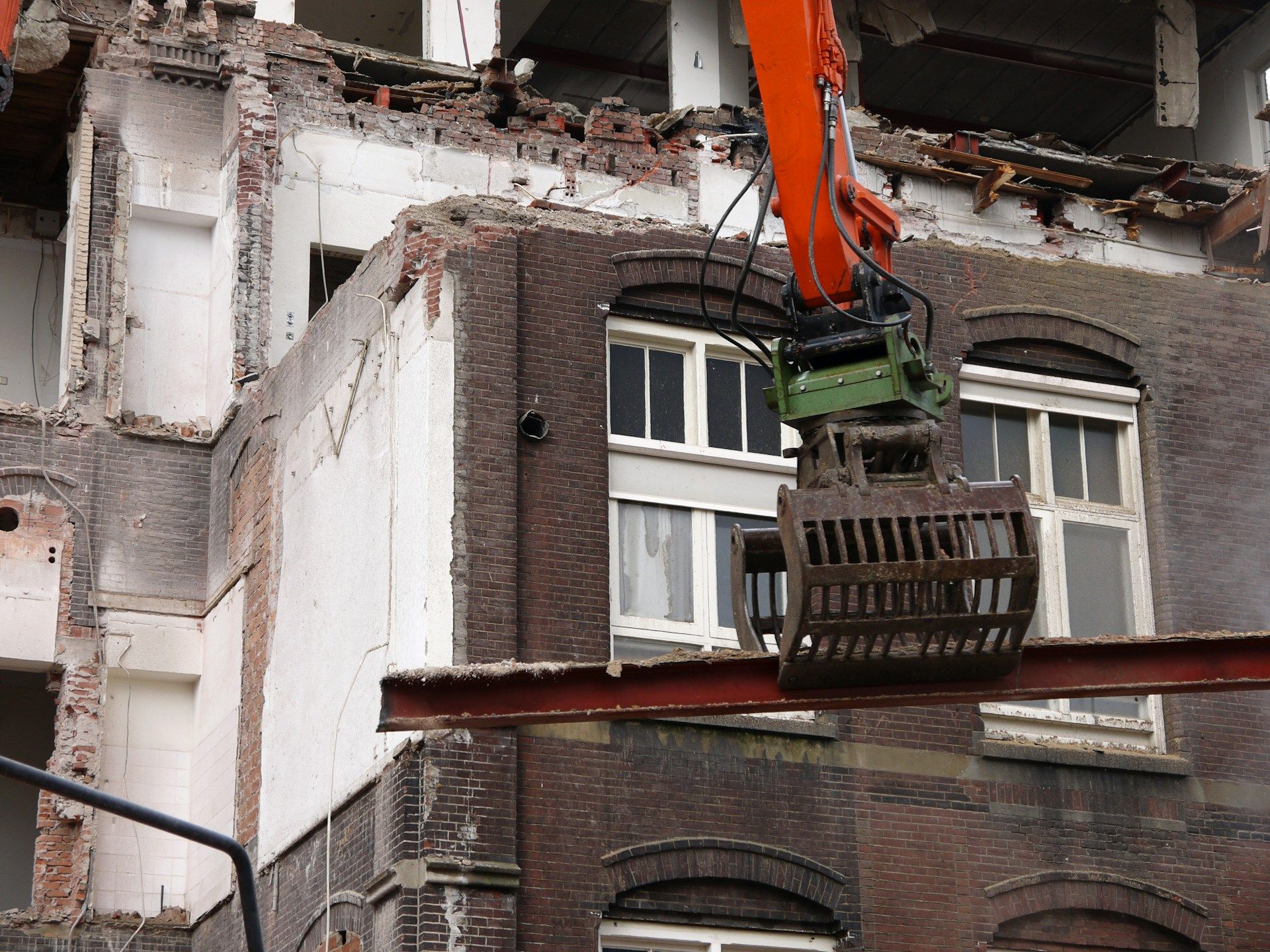
By organizing material by type, we keep things moving. Most jobs include a mix of wood, metal, concrete, and pipe. If we sort these into different bins early, we avoid extra cleanup later and make recycling easier. That method also helps crews make better use of time on cold days, since wet or frozen debris can be harder to lift or move.
Some debris can’t just go in the trash. Pieces that might contain asbestos or lead paint need special care to prevent health risks. This is where experience really counts. We identify those materials early in the project and follow the right rules to remove them safely.
When it comes to demolition and debris removal, being smart at this stage can save days later. It also keeps the site safer, which is especially helpful in winter when visibility can drop and walking paths quickly get covered.
Final Walkthroughs and Site Readiness
At the end of a demolition job, the work isn’t over once the last wall comes down. A careful walkthrough makes sure everything is clean, safe, and ready for what comes next. That means looking through every part of the site for leftover scraps, exposed pipes, or tripping hazards that might have been buried under snow or hidden behind broken boards.
We double-check that all utilities are fully shut off and marked. A single missed connection could be a danger when the rebuild starts, especially if someone assumes it’s already been handled.
This step of the process gets skipped too often, but it makes a big difference. Taking time to inspect the space with a fresh set of eyes means that when the next crew shows up, they don’t waste time clearing small issues that could have been resolved earlier.
Safer Jobs and Smoother Schedules Start with Planning
Late winter doesn’t mean demolition work has to slow down or get risky. It just means we build plans that fit the season. By starting with clear goals, staying in touch with everyone affected, and adjusting for Kansas City’s winter conditions, we make the job safer for everyone involved.
Adding smart steps like sorting materials, checking the weather, and walking the site at the end keeps the work moving at a steady pace. The result is a faster cleanup, fewer surprises, and a site that’s ready when the next part of the project begins.
At T-Mac Environmental, we understand how important it is to keep your Kansas City projects moving forward without compromising safety, especially during winter conditions. Whether you are cleaning up a job site or preparing for a complete teardown, we carefully plan every step to deliver thorough and efficient results. Learn how we approach demolition and debris removal with an emphasis on safety and timely completion. Call us today to discuss your next project.