Planning a House Demolition in Kansas City’s Tight Lots
Demolishing a House on a Tight Lot Without Headaches
Planning house demolition in Kansas City is tough enough. Doing it on a narrow city lot, with neighbors a few feet away and tight streets, can feel overwhelming. Older homes, aging foundations, and changing needs often push owners to clear a property and start fresh, but the space to work is limited.
Tight lots bring special challenges: close-by homes, overhead wires, cramped alleys, and not much room for large machines. When you add late-winter weather, frozen ground in the morning and mud in the afternoon, things can get tricky. With careful planning and an experienced demolition contractor, you can keep the job safe, steady, and on schedule, without turning the whole block upside down.
Evaluating Your Property Before Demolition Day
Before anyone brings in a machine or pulls a single board, the site needs a close look. A good demolition project on a tight lot always starts with a walk of the property.
During that walk, we focus on things like:
- Lot size and setbacks from property lines
- Width of driveways, alleys, and access points
- Overhead lines, tree branches, and low structures
- Space for trucks, equipment, and dumpsters
In many older Kansas City neighborhoods, access might come from a narrow alley, not the main street. There may be mature trees, shared driveways, or a garage built right on the property line. All of these shape how we plan the work and what equipment we can safely bring in.
The structure itself also matters. The age of the home, the type of framing, and the foundation style help us decide whether straight mechanical demolition, partial deconstruction, or a mix of both makes the most sense. On tight lots, we often adjust our methods to:
- Protect neighboring foundations and sidewalks
- Control how the building falls and where debris lands
- Make it easier to sort materials for recycling
Before any demolition, utilities are a top concern. We need to know exactly where gas lines, water lines, and sewer connections are located. We also look for:
- Underground utility markings
- Low power lines at the front or alley
- Gas meters and shutoffs
- Old, unknown lines that may still be active
In late winter, Kansas City’s freeze and thaw cycles can create special problems. Ground that is rock-hard in the morning can turn soft and muddy as the day warms up. That affects truck access, equipment traction, and how we haul debris offsite. A realistic schedule:
- Builds in room for weather delays
- Coordinates with inspection times
- Plans heavy moves for the best ground conditions
All of this planning up front helps avoid surprises when the machines show up.
Permits, Codes, and Neighbor Notifications in Kansas City
Demolition is not just about knocking a house down. City rules and local codes are a big part of the process, and they can change from one area to the next.
Most projects will require a demolition permit from the city or suburb where the home sits. That usually means preparing:
- A basic site plan showing the structure and lot lines
- Proof that utilities have been properly disconnected
- A waste handling or disposal plan
- Erosion and sediment control steps, if needed
On small city lots, safety and zoning rules are especially important. We pay attention to:
- Required setbacks from property lines
- Limits on how high debris can be piled
- Temporary fencing or barricade rules
- Special steps when working near shared walls
Noise and working hours also matter when homes are close together. Many areas set quiet hours and restrict early morning or late evening work. Planning the schedule around these rules helps keep the project moving and keeps the peace on the block.
It also helps to talk with neighbors before the first piece of siding comes off. A little notice goes a long way. We suggest letting neighbors know:
- The planned start date and general duration
- When heavy equipment and trucks will be on site
- Where they should avoid parking
- Who to contact if they have questions
That simple step gives neighbors time to move vehicles, bring pets inside, and prepare for dust and noise, which usually leads to fewer complaints once work starts.
Choosing the Right Demolition Method for a Tight Lot
Not every house demolition in Kansas City is done the same way. On a tight lot, method choice matters a lot.
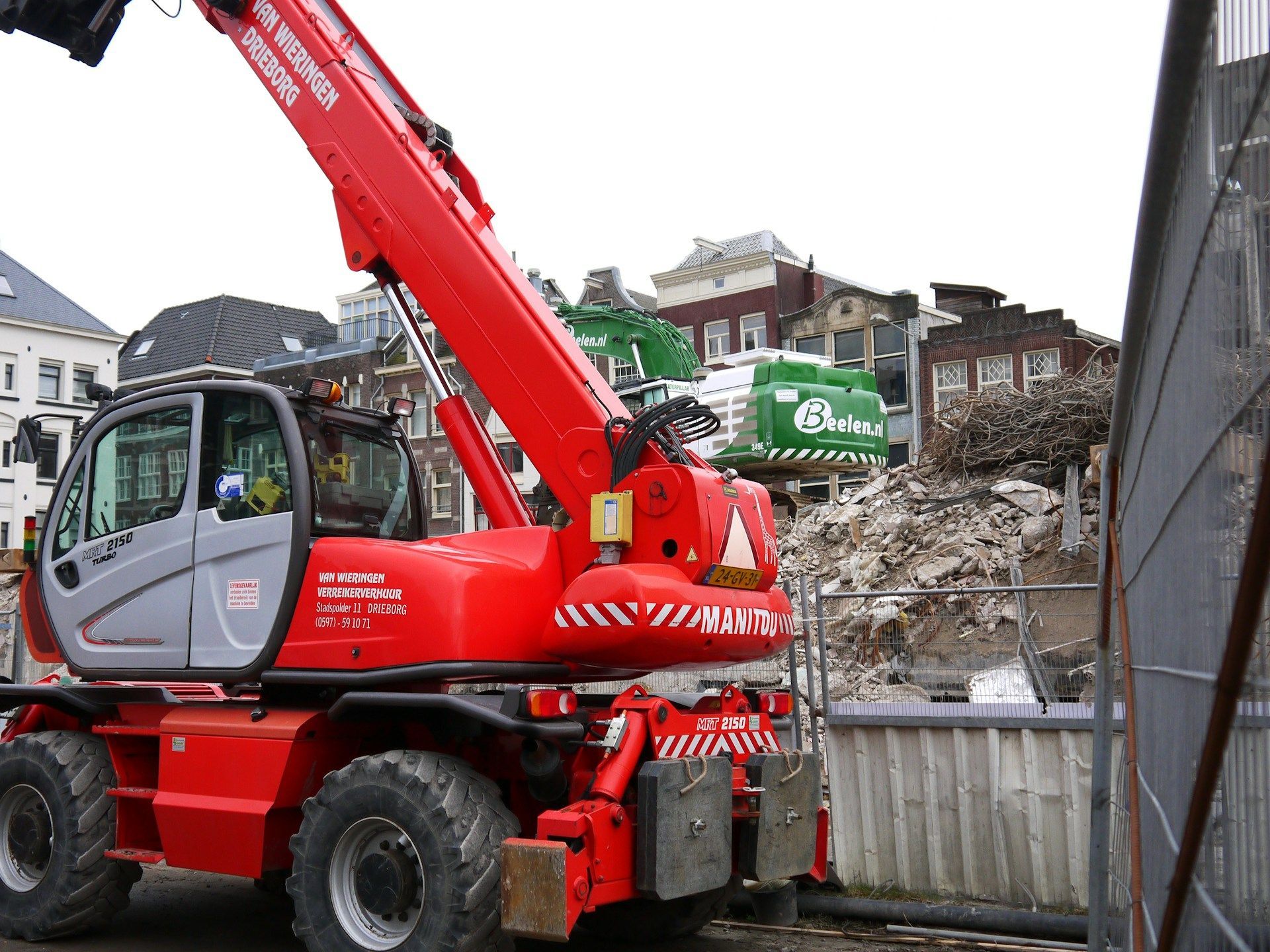
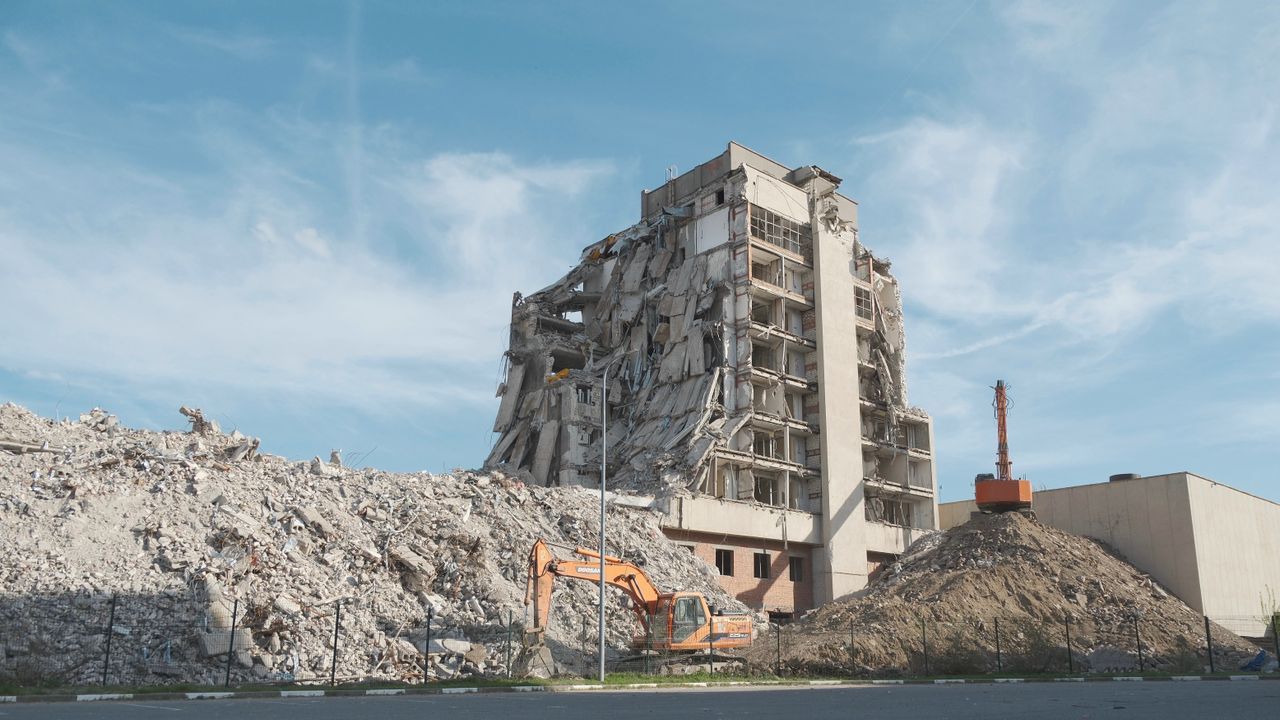
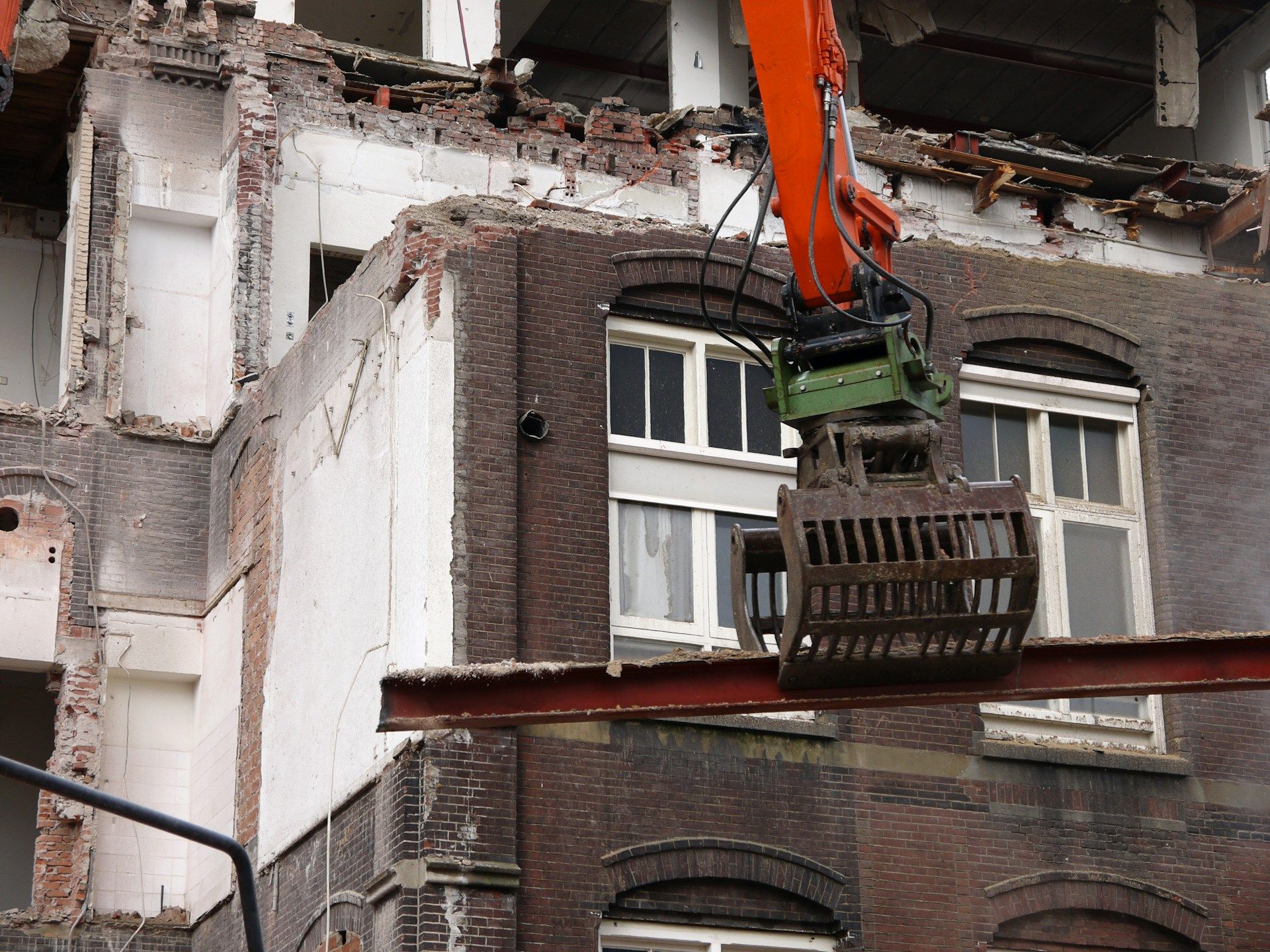
Mechanical demolition uses excavators, skid steers, and loaders to bring the house down quickly and load debris. On a wide open lot, that can be very efficient. On a tight lot, we often:
- Use smaller equipment that fits narrow spaces
- Work in smaller sections to control where debris lands
- Combine machine work with careful hand removal
Selective deconstruction focuses on taking parts of the structure apart by hand so materials can be salvaged or recycled. This can be helpful when:
- The home shares a wall or sits very close to another home
- There are valuable materials to recover
- Vibration and impact need to be kept very low
Dust control is another big concern on tight city streets. To help keep dust down, we may:
- Use water spray on active demolition areas
- Watch wind direction and adjust the sequence of work
- Keep debris covered when possible
We also pay close attention to vibration. Older homes next door might have older foundations or brick work that does not like a lot of shaking. Adjusting bucket sizes, machine speed, and how we break materials can limit that impact.
Handling debris and waste needs extra care on cramped lots. We plan for:
- Separate piles or containers for concrete, brick, metal, and clean lumber
- Recycling options that match local facilities
- Dumpster placement that does not block streets or driveways
Good planning here keeps the site cleaner, safer, and more efficient, even when space is tight.
Planning for Safety, Logistics, and Site Restoration
On a tight lot, safety is about more than the crew inside the fence. Neighbors, kids, pets, and people walking by all need to be protected.
Key safety steps include:
- Clear exclusion zones where the public is not allowed
- Visible signage and barriers around the site
- Spotters to guide equipment in tight spaces
- Extra care around schools, bus stops, and busy sidewalks
Because we sometimes work just inches from fences, garages, and neighboring homes, experienced operators and ground crews are extremely important. One wrong move with a bucket or a load of debris can cause damage next door.
Logistics are just as important as safety. Tight streets mean we must plan:
- Truck routes that avoid sharp corners and low branches
- Temporary parking limits near the site on heavy haul days
- Haul times that avoid school pickup and rush hours
- Space for equipment to arrive, unload, and leave again
After the structure is down and the debris is gone, the work is not finished. A strong demolition plan includes the steps that prepare the lot for what is next. That often means:
- Removing foundations and footings
- Backfilling with suitable material
- Compacting the ground to support future work
- Rough grading to guide water away from neighboring homes
A clean, level site with good drainage makes the next step easier, whether that is a new home, a garage, or a simple open yard.
Partnering with a Kansas City Demolition Pro You Can Trust
House demolition in Kansas City is different from tearing down a building on a wide suburban or rural lot. Older neighborhoods, mixed utilities, narrow alleys, and a patchwork of local codes all play a role. Local experience helps you avoid surprises, especially when the weather swings between freezing mornings and wet afternoons.
When you are choosing a demolition contractor for a tight-lot project, helpful questions include:
- Are you licensed and insured for this type of work?
- How much experience do you have with tight city lots?
- What is your approach to safety near neighboring structures?
- How do you handle recycling and waste sorting?
- What is your typical timeline for projects like this?
- How do you keep homeowners informed during the job?
It also helps to see photos or examples of past projects on similar narrow lots. That gives you a better sense of how the crew handles tight spaces, staging, and cleanup.
At T-Mac Environmental, we plan tight-lot house demolition in Kansas City with a focus on safety, clear communication, and respect for the surrounding neighborhood. With the right planning, even a cramped urban site can be cleared smoothly, setting you up for a fresh start on your property.
Get Started With Your Project Today
If you are planning house demolition in Kansas City, we are ready to walk you through every step so your project stays safe, efficient, and compliant. At T-Mac Environmental, our team evaluates your property, coordinates required permits, and manages debris removal with care. Tell us about your goals, timeline, and budget, and we will recommend a plan that fits your needs. To discuss next steps or request a quote, please contact us today.