What Happens During Land Clearing Before House Demolition
Get Your Property Ready for a Safe Tear-Down
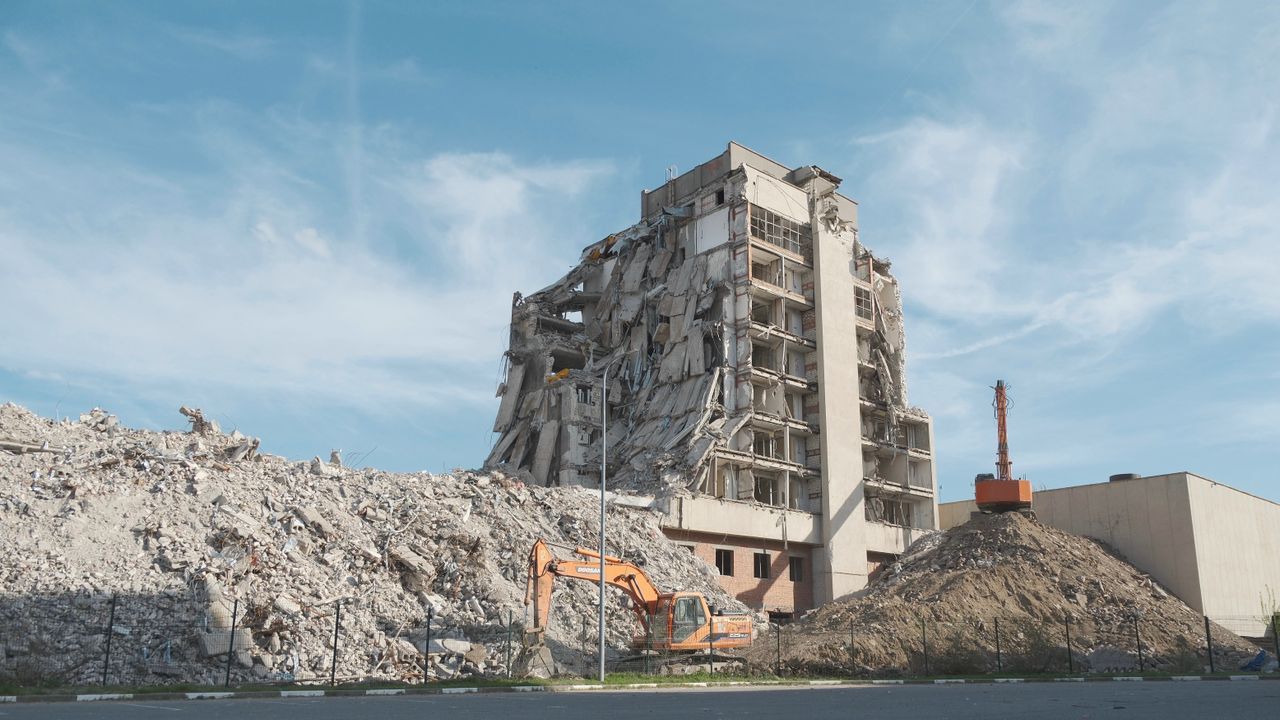
Before a house comes down, the land around it has to be cleared and made safe. What happens on your lot in this first stage has a big impact on how smooth, safe, and predictable the demolition will be. A clean, well-prepped site helps protect people, nearby homes, and your plans for the new build that comes next.
For Kansas City homeowners, the busy part starts before the excavator ever touches the house. Crews are walking the property, checking access, marking utilities, and clearing trees, brush, and old structures that can get in the way. That early work is what keeps your project on schedule and helps prevent surprises once the heavy equipment rolls in.
As a local demolition company, we work in residential neighborhoods every day. We understand how to balance safety, efficiency, and environmental responsibility while respecting local rules and nearby homes. Land clearing is where that all comes together.
Why Land Clearing Comes Before House Demolition
When we talk about land clearing services for a home tear-down, we are not just talking about knocking down a few bushes. In a residential setting, land clearing usually includes:
- Removing trees, brush, and tall grass around the house
- Taking out old fences, sheds, decks, and other obstacles
- Dealing with stumps, roots, and buried debris that could affect equipment
- Creating safe access routes for trucks and machinery
All of this work happens before demolition starts, because once machines are moving and debris is falling, there is no safe way to work around hidden obstacles. Thorough land clearing helps:
- Protect workers and neighbors from falling limbs and flying debris
- Keep equipment away from nearby homes, garages, or vehicles
- Reduce the risk of hitting underground utilities or surface lines
- Give crews clear sightlines to control the structure as it comes down
In our Kansas City area, the timing also matters. Late spring often brings better ground conditions and more steady weather, but it also brings fast-growing vegetation. If grass and brush are left alone, they can quickly hide hazards like holes, trash, or old concrete, so clearing early in the process is a smart move.
Step One: Site Evaluation and Utility Marking
The first step in land clearing is a careful look at your property. We walk the site and look for anything that could affect how we work, such as:
- Driveways, trees, or tight gates that limit truck and equipment access
- Slopes or soft areas that might bog down machinery
- Low spots or drainage paths that collect water after rain
- Trees or landscaping you want to keep for the new build
- Extra structures like sheds, detached garages, and fences
From there, we coordinate to have utilities marked. Gas, water, sewer, electric; and communication lines need to be clearly identified before we start moving dirt or taking out trees. Once these are marked, we adjust our land clearing plan so we do not disturb anything that should stay live and safe.
This is also the stage where permitting and local rules come into play. Depending on where you live, there may be:
- City or county permits tied to demolition and land disturbance
- Rules about tree removal, noise, and working hours
- HOA guidelines about access, street parking, and debris
Getting these details handled early keeps the clearing and demolition on track and avoids starting work that has to be paused later.
Step Two: Clearing Vegetation, Trees, and Obstacles
Once the site is evaluated and utilities are marked, we move into active clearing. Vegetation comes first, because it can hide a lot of problems. We cut and remove:
- Tall grass and weeds around the house and along fence lines
- Brush piles, scrub trees, and invasive plants
- Overgrowth that blocks equipment access paths
In spring and summer, the ground can be soft from rain, so we work in a way that keeps equipment stable and avoids deep ruts that could fill with water.
Next, we focus on trees and large limbs close to the home. Large branches hanging over a roof can break in the middle of demolition and land where they should not. Taking them down in a controlled way before the house comes down reduces the chance of surprise damage to:
- Neighboring homes or garages
- Power lines or service drops to your property
- Vehicles, sheds, and outdoor items nearby
We also remove or disassemble obstacles that block equipment or create trip hazards, including:
- Chain-link or wood fences
- Old sheds or small outbuildings
- Decks, porches, and stairs that are no longer safe
- Old playsets, concrete pads, and damaged hardscaping
By the end of this step, the area around the house is more open, safer to move through, and ready for heavier work.
Step Three: Grading, Erosion Control, and Debris Hauling
With vegetation and obstacles out of the way, we shape the ground so demolition equipment can move safely. Rough grading before and after the tear-down helps:
- Smooth out ruts, holes, and leftover mounds
- Give machines a solid base to work on
- Keep water from pooling where crews need to operate
In our area, spring and summer storms can bring heavy rain in a short time. To keep soil from washing into neighboring yards or onto sidewalks and streets, we may use erosion control tools such as:
- Silt fences along low edges of the property
- Temporary drainage paths to guide water away from structures
- Soil protection around trees or areas you plan to save
Debris handling is another key part of land clearing services. As we clear, we sort materials so more of it can be recycled. That often includes:
- Concrete and masonry that can be crushed for future use
- Scrap metal separated for recycling
- Wood and green waste kept apart from mixed debris
The goal is a cleaner site with less going to the landfill and a smoother handoff to the demolition phase.
How Professional Land Clearing Protects Your Investment
Careful land clearing may look like slow prep work, but it actually saves time and stress over the life of your project. A professional crew helps prevent:
- Delays caused by hidden obstacles or unsafe access
- Surprise damage to neighboring property or utilities
- Extra change orders once demolition has already started
For the rebuild phase, a well-cleared and graded site is a big advantage. Your foundation contractor gets a cleaner work area, your utility installers have easier paths for new lines, and your framing crew is not fighting mud, ruts, or leftover debris.
An environmentally responsible approach also matters. Recycling materials where possible, preserving select trees when it makes sense, and managing dust and runoff all add up to a project that feels better for you and for your neighbors. It is not just about tearing something down; it is about setting up the next phase of your home the right way.
Plan Your Land Clearing and Demolition with Confidence
If you are planning a new build later in the summer or fall, the first smart step is to plan your land clearing and house demolition early. Permits, crew schedules, and utility coordination can all take time, and you want those pieces in place before you are ready to build.
When you talk with a contractor about land clearing services, it helps to ask about:
- Proof of insurance and safety practices on active sites
- Experience working in your part of the Kansas City area
- How they handle utility marking and local code requirements
- Their approach to recycling and debris disposal
- A clear, step-by-step plan for clearing, demolition, and rough grading
A clear plan at the land clearing stage gives you confidence that the rest of the project will move forward with fewer surprises. T-Mac Environmental focuses on safe, efficient, and responsible demolition and land clearing, and we build each plan around your specific property and project goals.
Get Started With Your Project Today
If you are ready to clear your land safely and efficiently, T-Mac Environmental is here to help. Explore our professional land clearing services to find the right solution for your property. We will work with you to plan the scope, timeline, and best methods for your site conditions. Have questions or need a quote fast? Contact us and our team will respond promptly.