Reducing Demolition Waste with Smarter Building Tear Downs
Smarter Tear-Downs That Save Money and the Planet
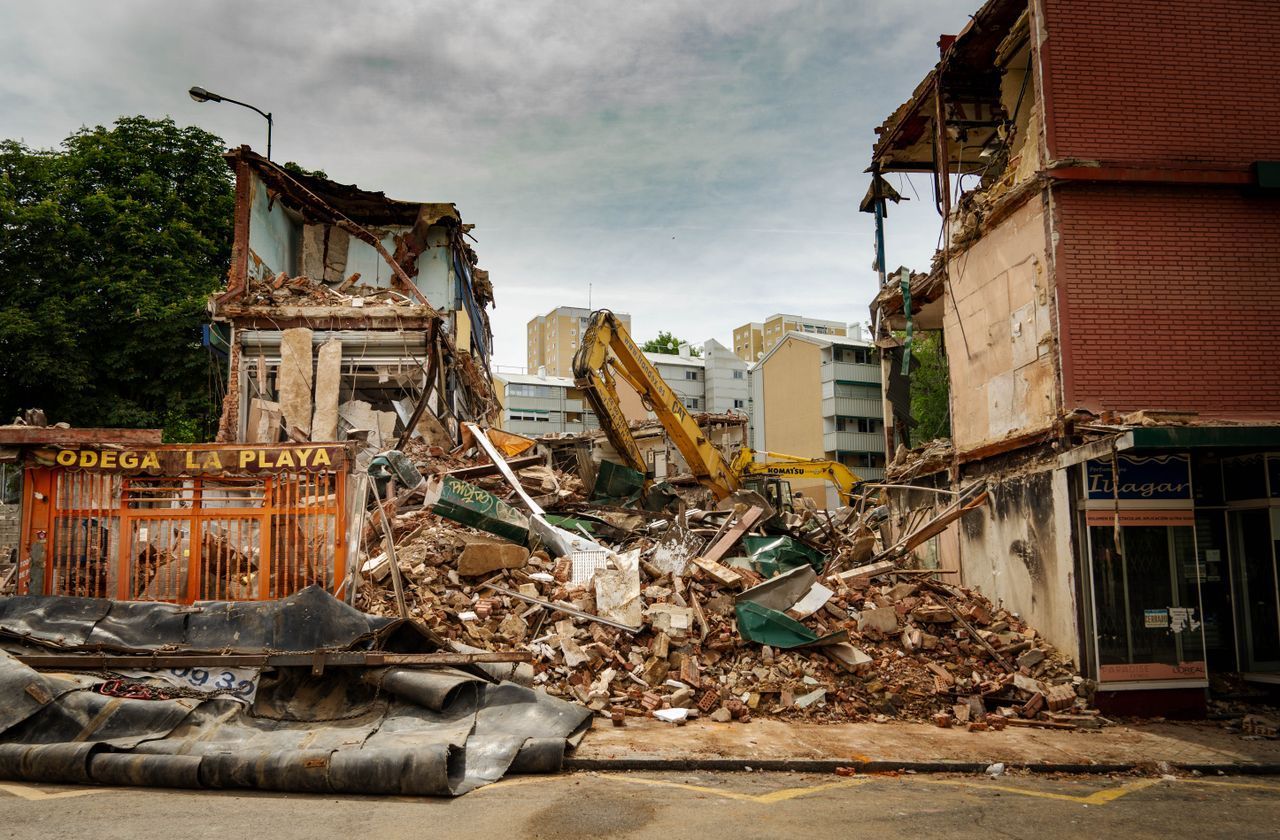
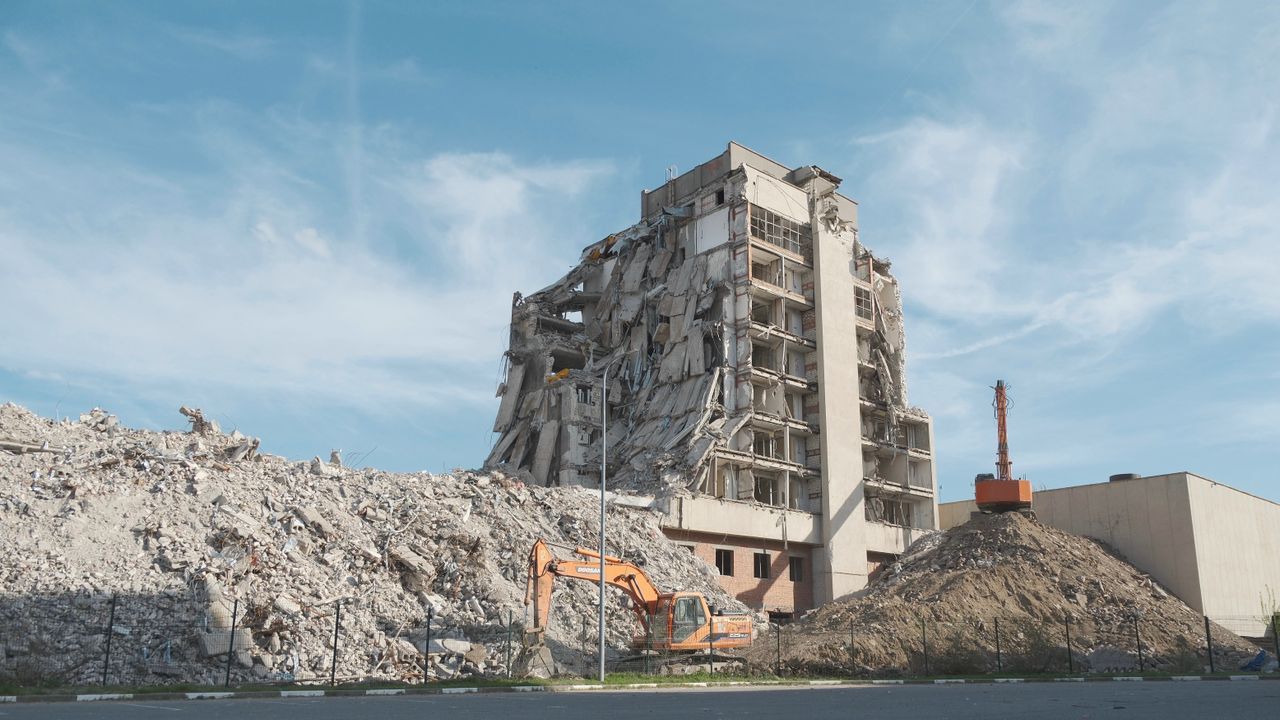
Demolition waste stacks up fast. Whole buildings turn into piles of concrete, wood, metal, and trash, and most of it often ends up in a landfill. As landfills fill up, disposal rules get tighter, tipping fees go up, and schedules get harder to manage. That affects every project, from a small home garage to a large commercial site in Kansas City.
Smarter tear downs can change that. When demolition and debris removal are planned with care, owners see real benefits like less waste, fewer trucks, lower disposal costs, safer sites, and a cleaner public image. At T-Mac Environmental, we focus on safety, efficiency, and environmental responsibility on every job, so your project runs smoother from the first bucket of debris to the final sweep.
Why Demolition Waste Is So Costly for Your Project
When a building comes down, it is not just “junk.” A typical structure holds a wide range of materials, including:
- Concrete and masonry
- Metals like steel, copper, and aluminum
- Wood framing and trim
- Roofing and shingles
- Drywall and plaster
- Wiring, piping, and HVAC parts
- Fixtures, doors, and windows
With a simple “smash and haul” approach, everything gets mixed together, which drives up cost and risk. Mixed loads tend to be heavier and less valuable, and they are harder to manage safely and legally. That’s why projects often run into issues such as:
- Higher landfill fees because loads are heavy and not sorted
- More truck trips since mixed debris is bulky and less efficient to haul
- Greater chance of regulatory issues if certain materials are not handled correctly
Seasonal demand can add another layer of pressure. As construction and renovation pick up in early spring, demand for dumpsters and disposal options jumps, and that can lead to:
- Longer wait times for containers and hauling
- Limited disposal slots at busy facilities
- Tighter windows for demolition and debris removal
All of this adds time and pressure to your project. Without a smarter plan, waste becomes one of the most stressful and expensive parts of the job.
Planning Tear Downs for Maximum Material Recovery
The best way to cut demolition waste is to think ahead, not just start knocking things down. A solid plan before the first machine moves can turn “trash” into reusable material.
A good starting point is a pre-demolition audit or site assessment. This helps identify which materials can realistically be recovered and how they should be handled. In particular, it helps pinpoint:
- Materials that can be salvaged, like doors, fixtures, or hardwood
- Materials that can be recycled, such as concrete and metals
- Materials that need special handling
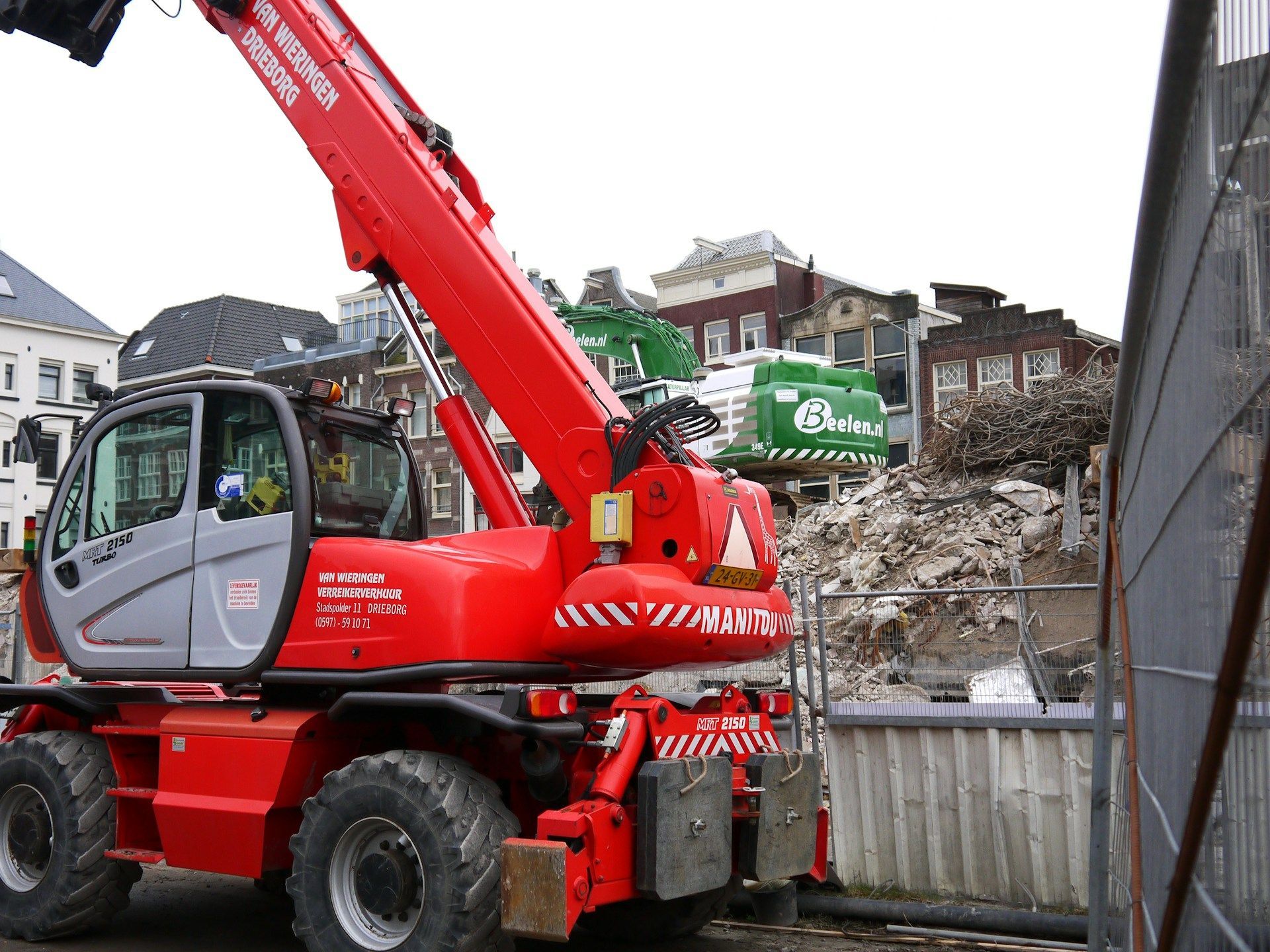
From there, planning becomes about organizing the job so recoverable materials stay clean and accessible. When we plan our work, we look at phasing (which areas come down first and how debris will be cleared), equipment selection (what machines and attachments will be safest and most efficient), staging areas (where to stack and sort different materials), and traffic flow (how trucks and equipment move so the site stays safe and organized).
This level of planning reduces breakage and contamination. Clean metal, clean concrete, and sorted wood are much easier to recycle than material that is smashed together. We also coordinate with local recyclers, scrap buyers, and donation centers so each project has a custom plan that fits its site, schedule, and neighborhood.
Deconstruction vs. Demolition: Choosing the Right Approach
Not every building should come down the same way. There are two main approaches:
- Full mechanical demolition, using heavy equipment to bring down the structure quickly
- Selective deconstruction, where crews remove certain materials by hand or with small tools first
Full mechanical demolition makes sense when:
- The building has limited salvageable material
- Safety or structural issues make hand work risky
- The schedule is tight and speed is a top priority
Selective deconstruction works well when:
- There are high-value items to recover, like metals, hardwood flooring, or custom fixtures
- Mechanical equipment or mechanical systems can be reused or sold
- The owner wants to donate materials for potential tax benefits
Often the best plan is a mix of both. Instead of treating the entire building the same way, crews can target higher-value or reusable items first and then shift to faster methods for the rest of the structure. For example, we may:
- Carefully remove valuable metals, equipment, and finishes first
- Pull out reusable doors, windows, and trim
- Then bring in larger machines to take down the remaining structure efficiently
During busy spring building season, schedules are tight. We balance time, cost, and material recovery so owners get the best return without putting the timeline at risk.
On-Site Sorting and Recycling That Actually Works
Sorting materials on-site sounds simple, but it only works if the process is clear and organized. The goal is to keep materials as clean and separated as possible so they can be reused or recycled.
Practical on-site strategies include:
- Dedicated piles or containers for metals, clean concrete, untreated wood, and mixed debris
- Clear signs so every crew member knows what goes where
- Regular cleanup to keep sorting areas safe and easy to access
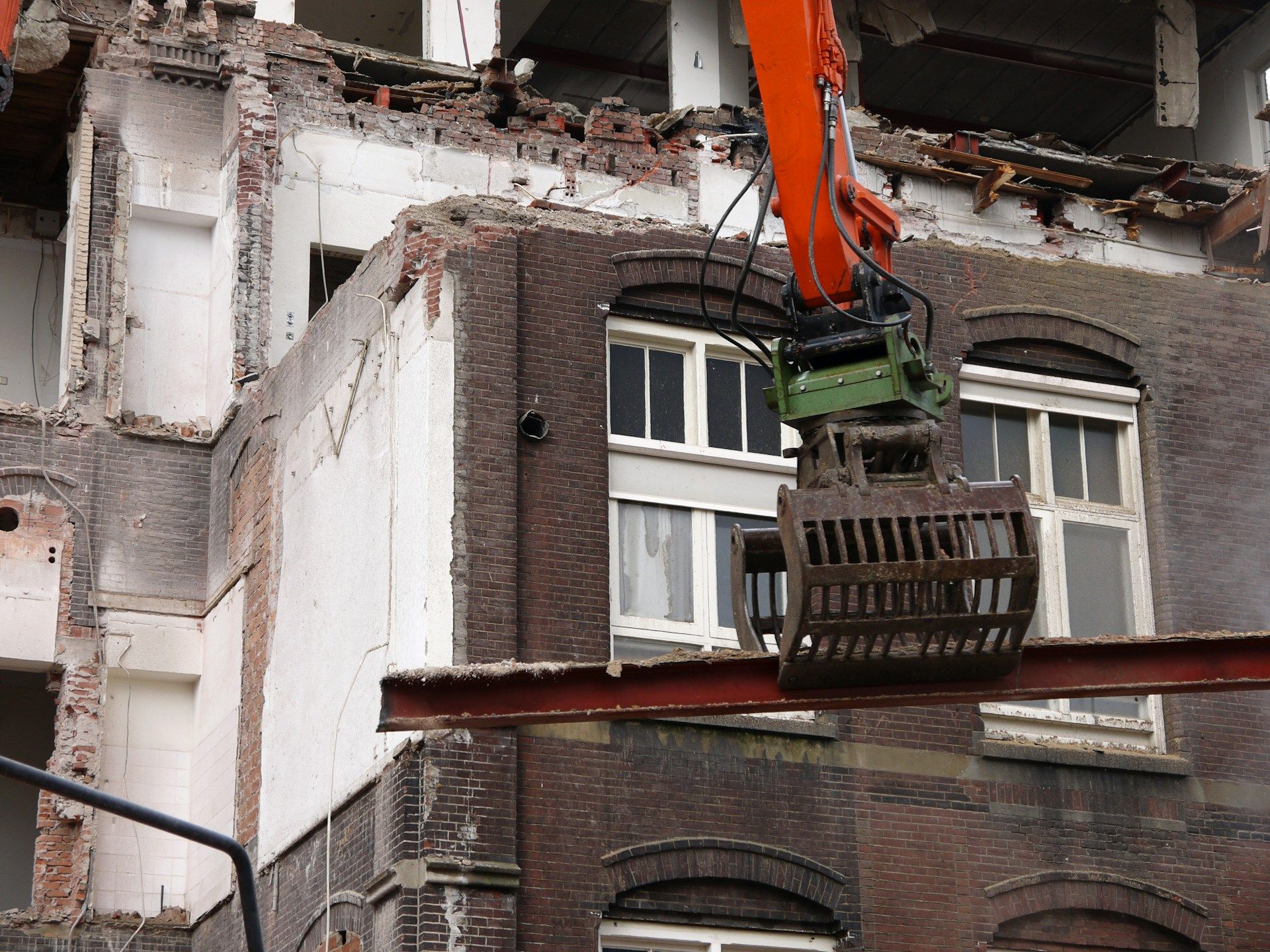
The right equipment also makes a big difference. Tools like shears, pulverizers, and concrete crushers help improve efficiency and material quality. They can cut and size metal for better loading and recycling, crush concrete on-site for reuse as base material, and break down bulky items so trucks can haul more per load.
Organized staging and labeling help keep loads clean. This reduces contamination fees, cuts down on landfill trips, and keeps demolition and debris removal moving. It also makes life easier for everyone on the project, from the owner to the general contractor to the hauling team.
Turning Demolition Waste Into New Value
When materials are handled the right way, a tear-down can feed into the next round of building instead of just filling a landfill. Common materials can find new life:
- Crushed concrete can become base for roads, parking lots, and new slabs
- Metals like steel, copper, and aluminum go to mills and processors for new products
- Wood can be reused, turned into mulch, or used in other building projects
- Fixtures, cabinets, and doors may be resold or donated
This shift from “waste” to “resource” can bring real financial benefits. Owners may see:
- Scrap metal revenue from recovered materials
- Lower tonnage fees through reduced landfill disposal
- Possible tax advantages from donated materials, depending on their situation
- Fewer truck trips and lower transportation costs due to better loading and on-site processing
There is also a broader benefit to Kansas City and the surrounding communities: fewer landfill loads, less truck traffic and emissions, and cleaner sites that respect the neighborhoods around them. At T-Mac Environmental, we build our work around these goals so each project supports both the owner and the environment.
Get Started With Your Project Today
If you are ready to clear the way for your next build, our team at T-Mac Environmental is here to help with safe, efficient demolition and debris removal tailored to your site. We will assess your project needs, create a clear plan, and handle the heavy lifting so you can focus on what comes next. Reach out today to discuss your timeline and requirements, or contact us to request a quote and schedule your service.