Managing Demolition and Debris Removal for Occupied Properties
Managing Demolition and Debris Removal for Occupied Properties
Demolition and debris removal inside or next to an occupied building is a different kind of project. You are not just dealing with walls, concrete, and steel. You are working around people, cars, schedules, and daily routines that still need to run safely.
For Kansas City property managers, facility owners, and HOAs, this means you cannot treat an occupied project like a vacant lot. There is more liability, more eyes on the work, and more pressure to keep businesses open and residents comfortable. At T-Mac Environmental, we focus on safety, efficiency, and environmentally responsible practices so you can get the demolition work you need without shutting everything down.
Assessing the Site While Daily Operations Continue
The first step is understanding how the building actually works during a normal day. Before we start demolition and debris removal, we walk the site with building management and look closely at high-risk areas, such as:
- Main entry doors and lobbies
- Elevators and stairwells shared by multiple tenants
- Parking areas and loading zones
- Shared walls with sensitive spaces, like offices or classrooms
We also watch how people and vehicles move through the property. This includes:
- Peak times when tenants arrive or kids are dropped off
- Delivery windows and trash pickup
- Busy lunch or appointment hours
If there are medical offices, daycare centers, labs, or food service on-site, we coordinate around their specific needs. That might mean limiting noise during treatment hours or protecting air quality near kitchens or childcare rooms.
To keep disruption low, we usually break demolition into phases that line up with:
- Business operating hours
- Resident quiet times and school schedules
- Seasonal needs, such as storm season or planned events
During planning, we work through utilities, HVAC, and life-safety systems with the owner and their trade partners. The goal is to keep fire alarms, emergency exits, heating, cooling, and basic power working for occupied areas in each phase.
Regulations and environmental rules also matter. We follow local Kansas City permitting and inspection requirements and support early checks for materials like asbestos, lead, or mold. Finding these early makes it easier to isolate and abate them without taking the entire building offline. We also build plans for dust, noise, and vibration control from day one, so neighbors and tenants are protected.
Prioritizing Safety in Shared and High-Traffic Spaces
In occupied properties, physical separation is one of the strongest safety tools. We set up:
- Temporary walls or barriers between work zones and public areas
- Locked gates and controlled access points
- Clear, dedicated paths for workers and equipment
When we can, we use separate entrances, stairwells, or freight elevators so our crews and debris never mix with tenants and visitors. Tools and materials are only staged in secure, marked areas, not in hallways or shared corridors.
Safety communication is just as important as barriers. We work with property managers to:
- Post signs showing restricted zones, alternate routes, and open exits
- Place notices in lobbies and common areas before major schedule or access changes
- Share simple maps for staff and tenants when routes shift
We also help align the project with any updated emergency action plans that apply while demolition is happening. Everyone should know what to do and where to go if something unexpected happens.
Conditions on an active site can change quickly, especially in spring when the weather can shift from dry to wet in a single day. Our supervisors perform routine safety inspections and daily check-ins. Feedback from tenants and on-site staff is welcome, because it often leads to quick improvements, such as:
- Adjusting a walking route that feels too tight
- Adding extra barricades in a busy hallway
- Tweaking work hours when noise is worse than expected
We support all of this with trained crews, the right PPE, and strict adherence to OSHA demolition safety requirements that apply to occupied environments.
Controlling Dust, Noise, and Debris in Occupied Buildings
Demolition and debris removal can create dust, which affects indoor air quality if not controlled. To help keep air clean near occupied zones, we use:
- Plastic sheeting and temporary walls to close off work areas
- Sealed doors, vents, and openings near active demolition
- Negative air machines and controlled airflow in critical areas
We try to schedule the dustiest tasks, such as saw cutting or concrete breaking, during off-hours or lower occupancy times. Seasonal changes also matter. In milder weather, more people open windows or spend time outdoors, so we take extra care with dust migration and allergies.
Noise and vibration are the other big concerns. We reduce their impact by:
- Planning the loudest work outside of important business hours or class times
- Choosing quieter tools or methods when practical
- Using temporary sound barriers where tenants are especially sensitive
In older or more delicate buildings, we may track vibration levels around shared walls or infrastructure to help protect adjacent spaces and systems.
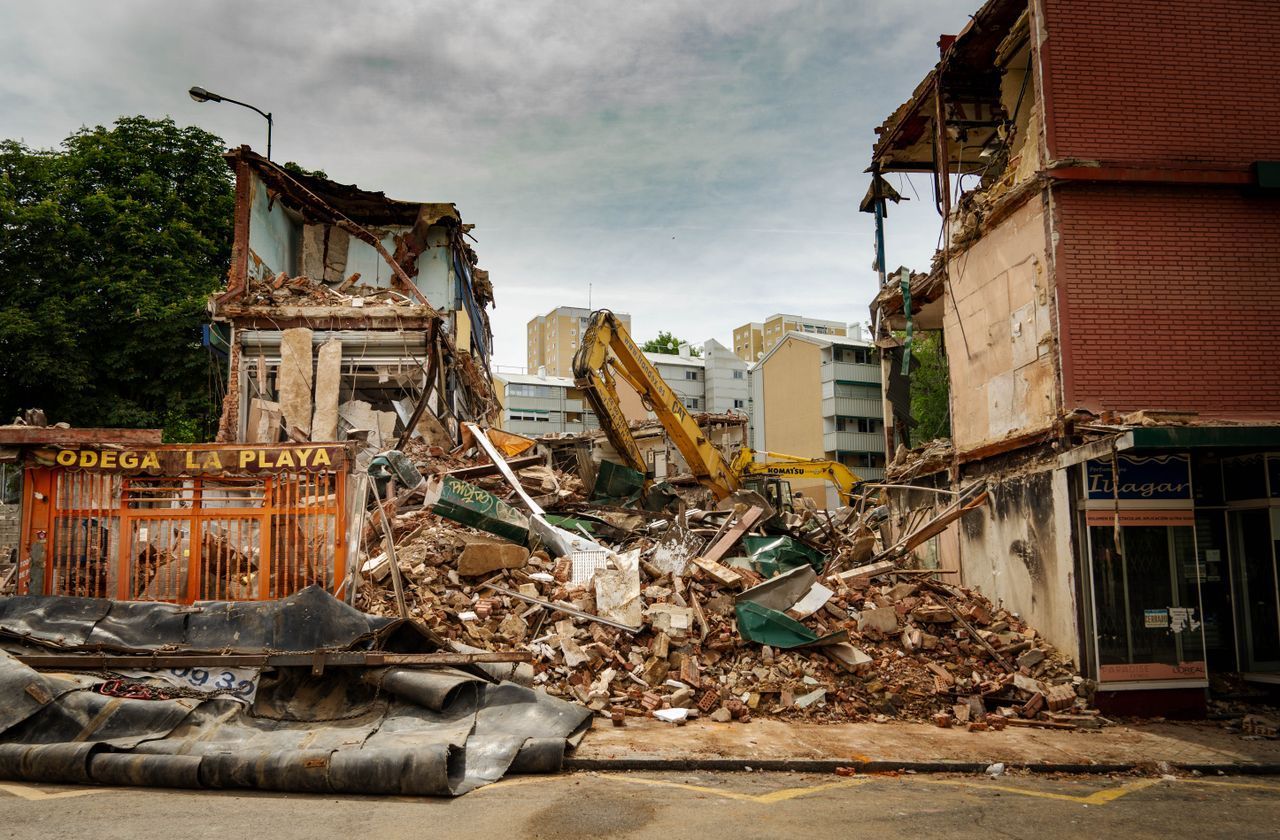
Clean, efficient debris handling is just as important as how we break things down. We plan:
- Designated debris staging points away from public traffic
- Frequent hauling so piles do not build up
- Covered chutes and sealed containers to keep dust off common areas
Whenever possible, we separate materials on-site, such as metal, concrete, and wood, so they can be sent to recycling or handled in a more environmentally responsible way.
Coordinating Schedules and Communication with Stakeholders
The best occupied-property demolition projects respect the natural rhythm of the building. We work with owners and managers to shape schedules around:
- Peak customer or visitor times
- Resident quiet hours and overnight expectations
- Regular events, worship services, or large meetings
For commercial sites, we may also consider events like spring break, inventory periods, or fiscal deadlines. Weather can affect hauling and outside work, so we stay flexible and ready to shift or resequence phases when needed.
Good communication keeps everyone calm and informed. Typical tools include:
- Kickoff meetings with owners, managers, and key tenants
- Regular email updates or printed notices about coming milestones
- Clear contact paths for questions or concerns
We also coordinate work with other trades. Electricians, plumbers, and HVAC technicians need safe windows to disconnect and reconnect systems while people are still inside the building. Janitorial and security teams are part of the plan too, helping maintain cleanliness and safety once our crew leaves for the day. When schedules are aligned, there is less repeated work and fewer surprises.
Choosing a Demolition Partner That Respects Your Occupants
Not every contractor is the right fit for an occupied property. When you look for a demolition and debris removal partner, it helps to ask:
- What experience do you have working in occupied schools, offices, or mixed-use buildings?
- How do you separate work areas from people and keep them safe?
- What is your safety record and what insurance do you carry?
- How do you handle recycling and special waste disposal?
At T-Mac Environmental, we approach occupied projects with detailed planning, on-site supervision, and safety protocols shaped around active buildings. Our goal is to finish each phase efficiently so tenants, employees, and residents can keep moving forward with confidence. We also sort materials and support recycling where possible, reducing the overall environmental footprint of your project while keeping your property clean and operational.
Get Started With Your Project Today
If you are planning a renovation, site cleanup, or full teardown, our team at T-Mac Environmental is ready to help you move from planning to completion with professional
demolition and debris removal. We handle the heavy lifting so you can focus on the next phase of your project with confidence. Tell us about your timeline and goals, and we will recommend the safest and most efficient approach. To schedule service or request a quote, simply
contact us today.