Hidden Hazards in Old Home Demolition and How Pros Manage Them
Demolishing Old Homes Without Risking Your Health
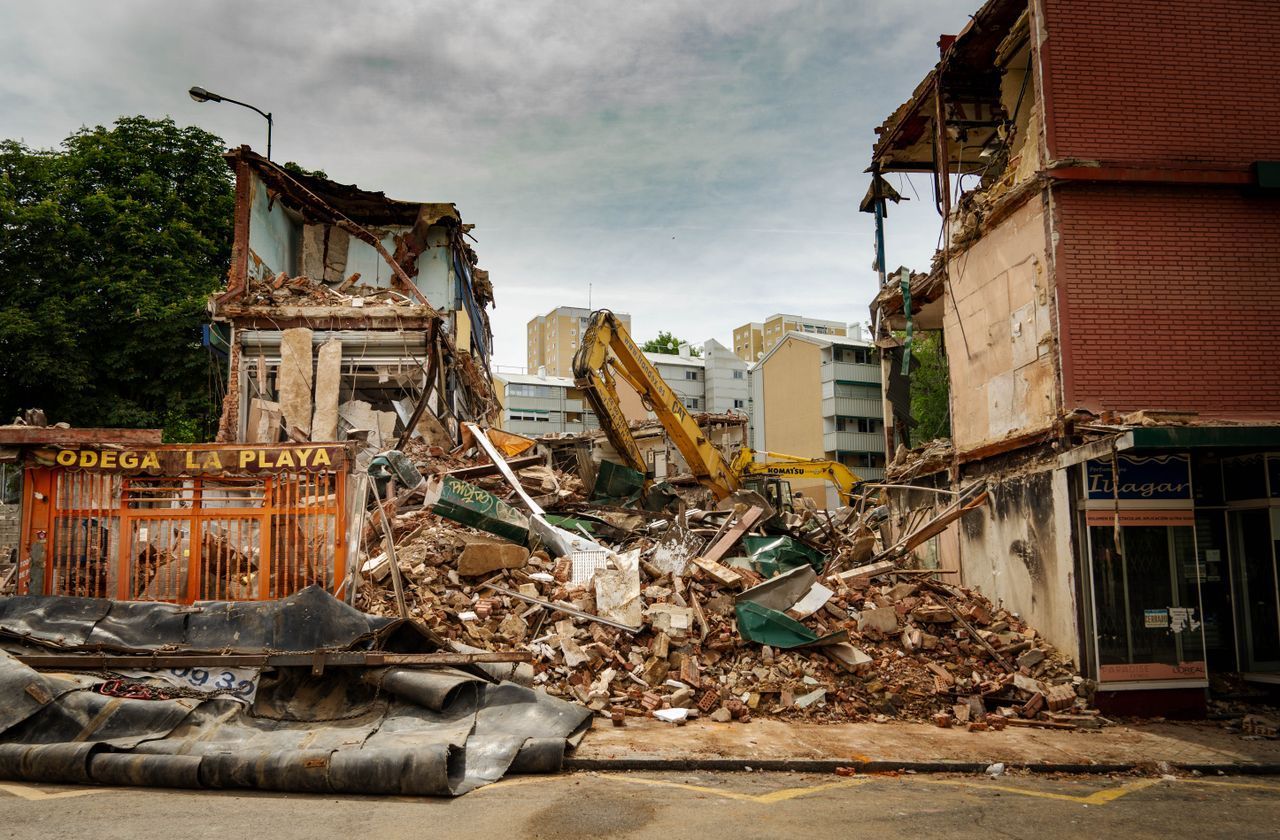
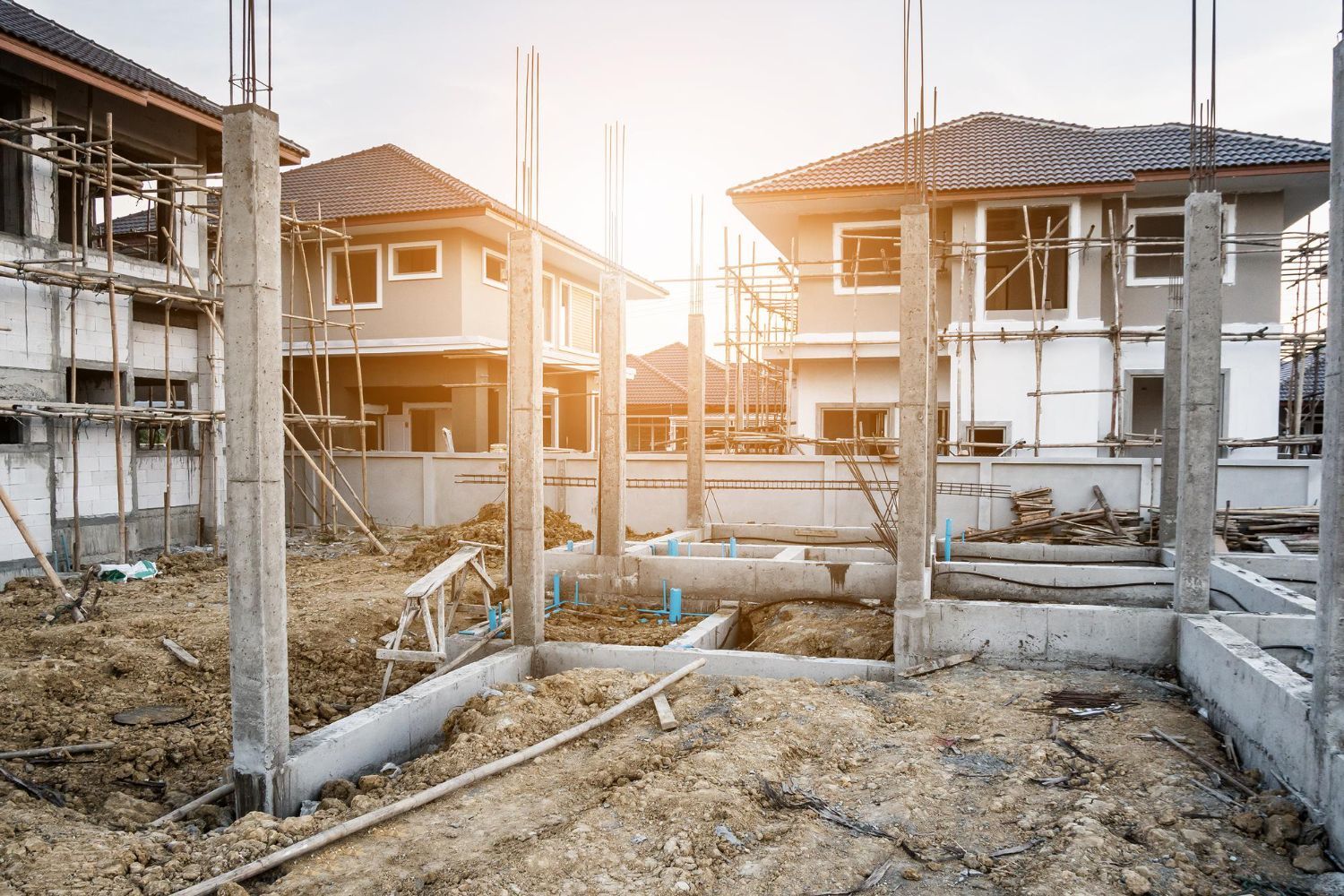
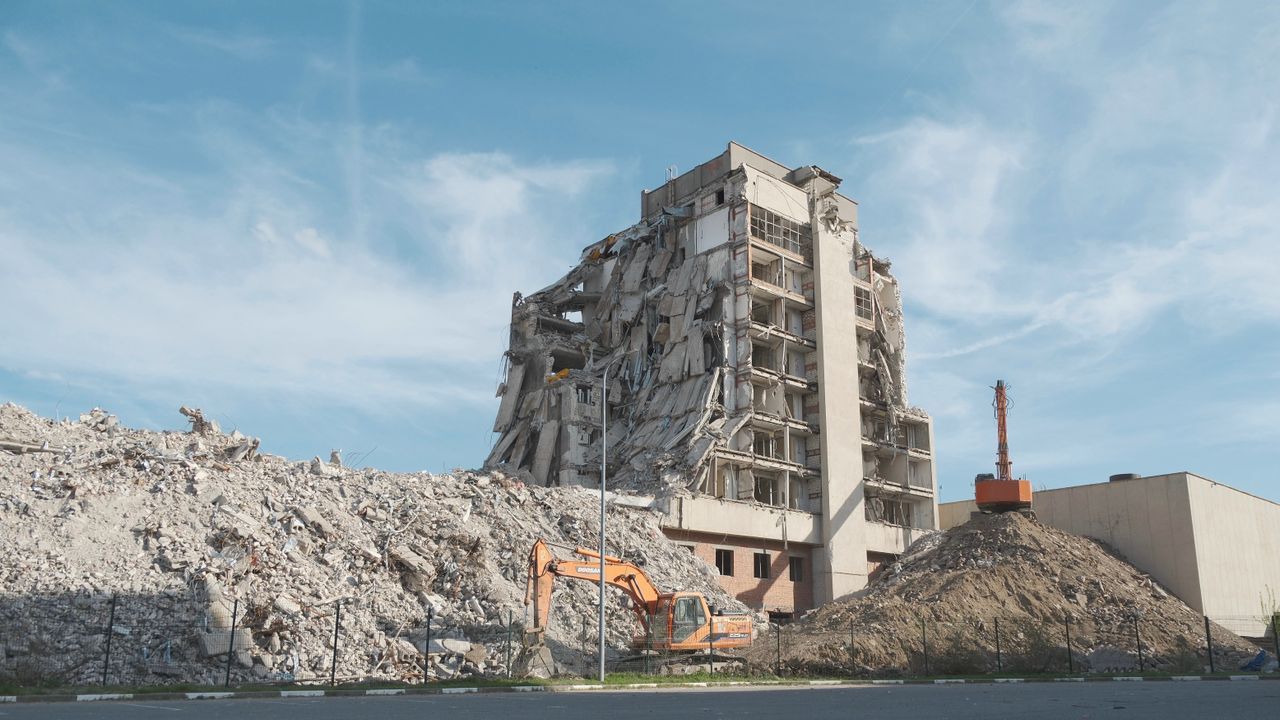
Old home demolition is about much more than heavy equipment and knocking down walls. When a house has been standing for decades, it can hide materials and conditions that are dangerous to you, your family, and your neighbors if they are not handled the right way.
Many Kansas City homeowners see an older house as a fresh start and want it gone fast so new work can begin. That excitement is understandable, but rushing in without knowing what is inside those walls can lead to serious health risks and delays. Older homes, especially those built before the 1980s, were often built with materials that we know today are unsafe.
Professional demolition is really about hazard management first and demolition second. The goal is to remove the structure while keeping people, nearby property, and the environment safe. As a local demolition company, we focus on doing the job safely, efficiently, and with care for the surroundings so projects can move forward with confidence.
What Lurks Behind Old Walls and Floors
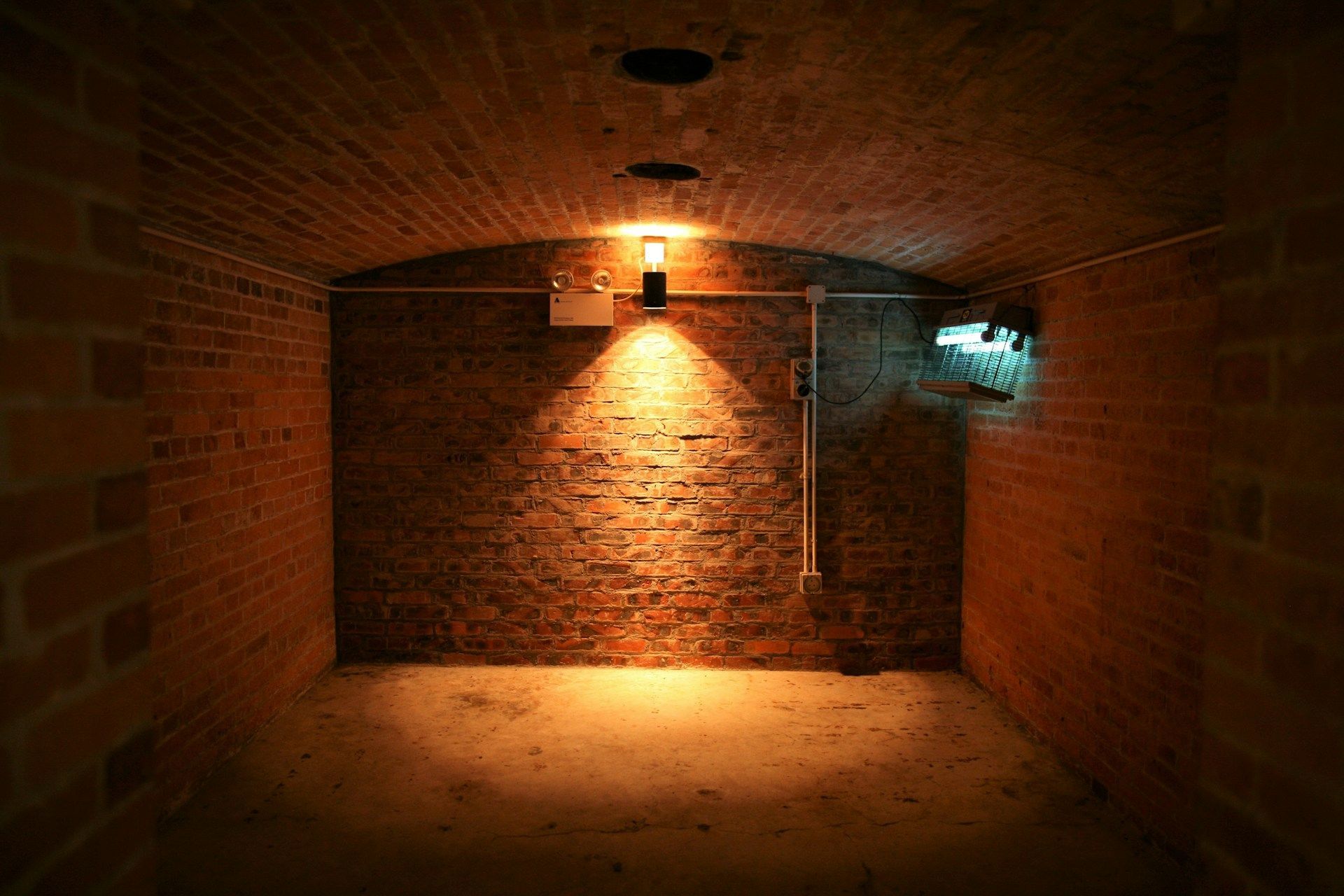
When you look at an older home from the street, you mostly see peeling paint, sagging porches, and old windows. What you cannot see is what worries us most. Inside the walls, under the floors, and in the attic, there can be hidden hazards that only show up once work begins.
Some common dangerous materials in old home demolition include:
- Asbestos in pipe wrapping, attic insulation, floor tiles, siding, and old ceiling materials
- Lead in layers of paint on walls, trim, and doors, and sometimes in older plumbing lines
- Outdated electrical systems with brittle wiring and overloaded panels
- Old gas lines that may leak or be loosely capped
There are also less obvious problems that can cause harm if they are disturbed the wrong way:
- Hidden mold behind walls and under flooring
- Rodent nests and droppings that can become airborne
- Weak floor joists, roof sections, and wall framing that can fail during demolition
Homes that have been “fixed up” over the years with DIY projects can be even trickier. Layers of different materials may be stacked on top of each other. A house might look updated on the surface, but underneath there can still be asbestos or lead, just waiting to be released when a wall is opened or flooring is pried up.
In areas like Kansas City, where you see lots of older homes mixed with newer buildings, construction styles and materials can change from block to block. That is why a fast tear-down or a DIY approach is so risky with older construction. If you do not know what is inside, every cut and every swing of the hammer can release something you really do not want to breathe.
How Pros Find and Test Hidden Hazards Before Work Begins
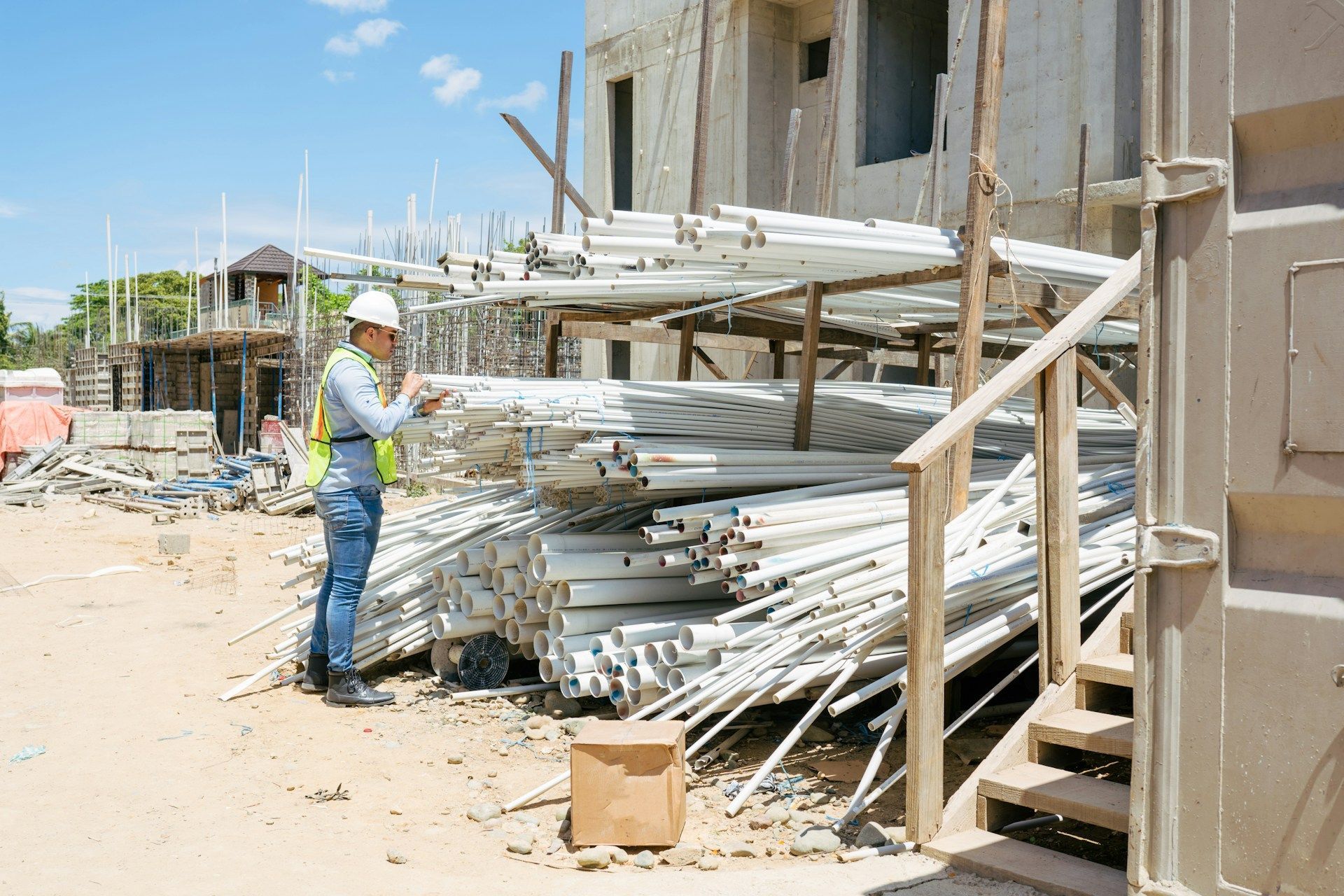
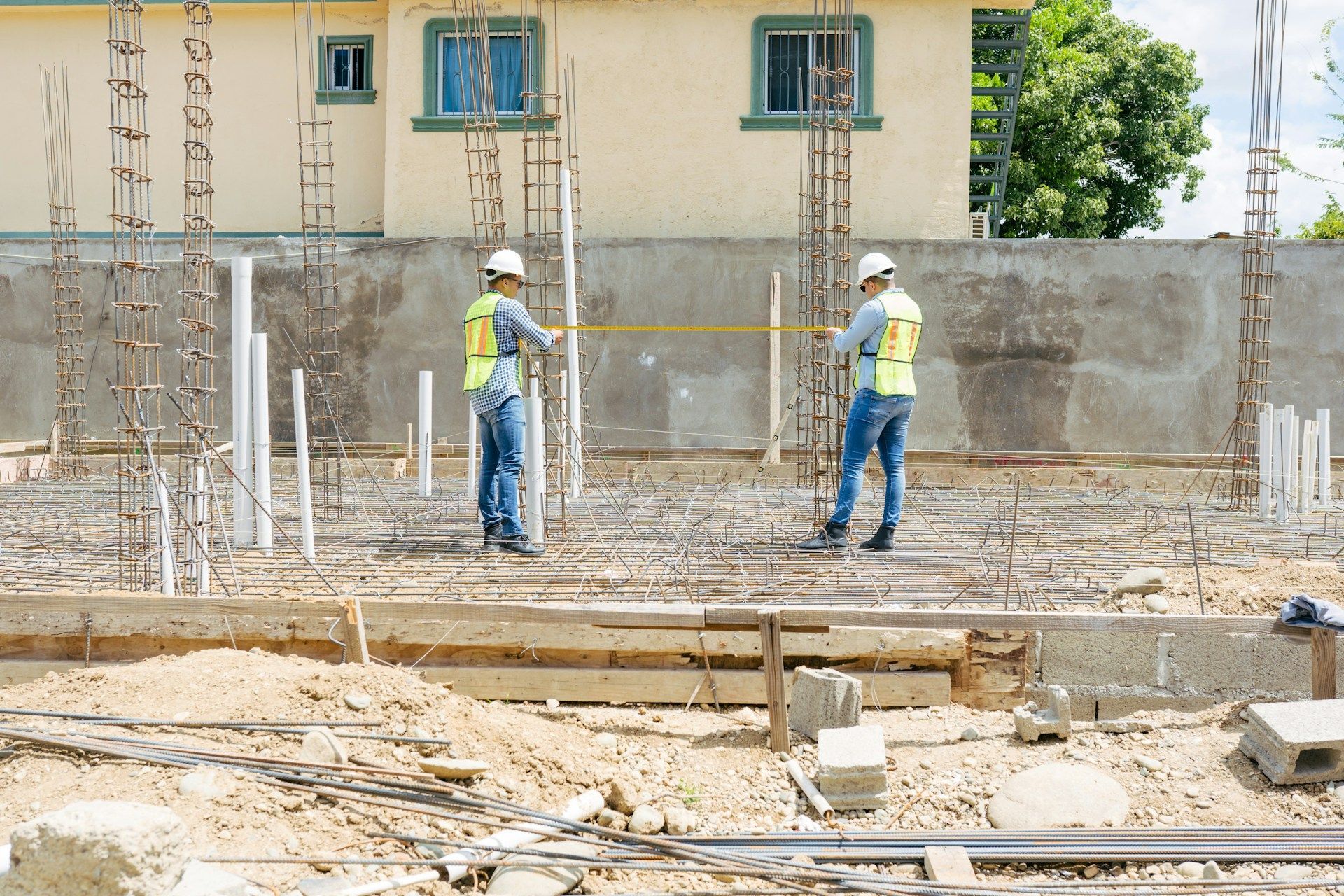
Safe old home demolition starts long before any equipment rolls onto the site. The first step is a careful look at the property. A professional crew walks through, checks the structure, and studies how the home was built and changed over time.
A thorough predemolition assessment often includes:
- A visual review of the building inside and out
- Looking for materials and surfaces that are likely to contain asbestos or lead
- Spotting signs of water damage, mold, and structural movement
If anything looks suspicious, the next step is testing. For hazards like asbestos, lead paint, and mold, small samples are taken and sent to certified labs to confirm what is present. This is not guesswork. It is a planned process that lets us know exactly what we are dealing with and how to handle it.
We also pay attention to local codes and permit requirements in the Kansas City area. Before heavy work begins, permits need to be in place and the plan must follow the rules for handling and removing hazardous materials. When this upfront work is done right, there are fewer surprises, fewer delays, and a safer site for everyone nearby.
Containing, Removing, and Disposing of Dangerous Materials
Once hazards are identified, the next challenge is dealing with them safely. The goal is to keep dangerous dust and fibers from spreading while they are removed.
Professional crews use methods like:
- Setting up controlled work zones and sealing off areas with plastic sheeting
- Using negative air machines so air flows into, not out of, the workspace
- Creating clear paths and decontamination areas for workers and equipment
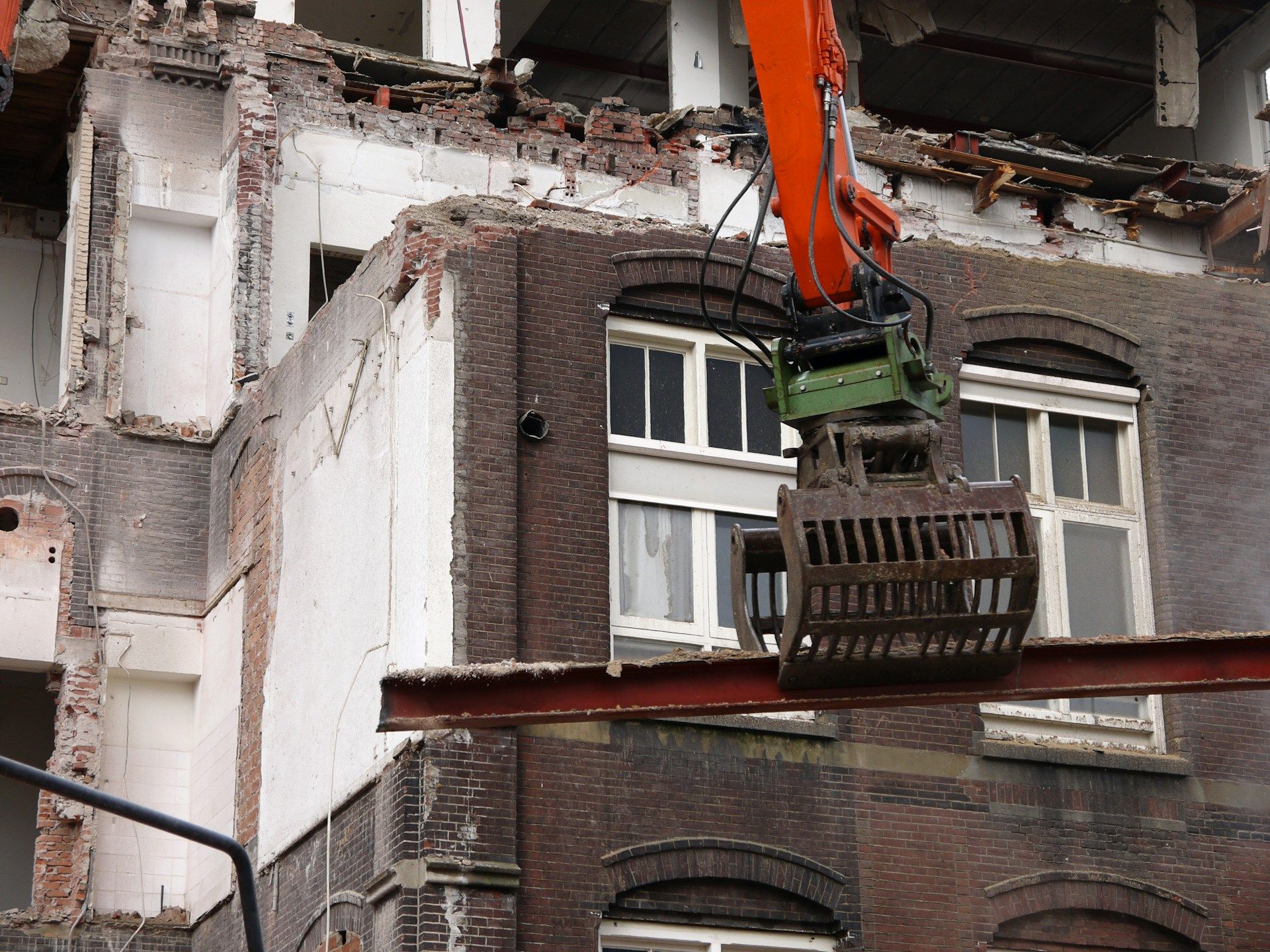
For materials like asbestos, removal is done with wet techniques. Surfaces are kept damp so fibers do not float in the air. Debris is carefully cut or taken down in sections instead of smashed apart. HEPA vacuums and filters are used to grab fine dust particles that normal shop vacs would blow right back out.
Once removed, hazardous debris is sealed, labeled, and taken to approved disposal facilities that are set up to handle it. This process is documented to show that everything was handled the right way. During old home demolition, we also pay close attention to dust, noise, and vibration, especially when there are nearby homes and businesses that still need to function while the work is going on.
Protecting Neighbors, Property, and the Environment
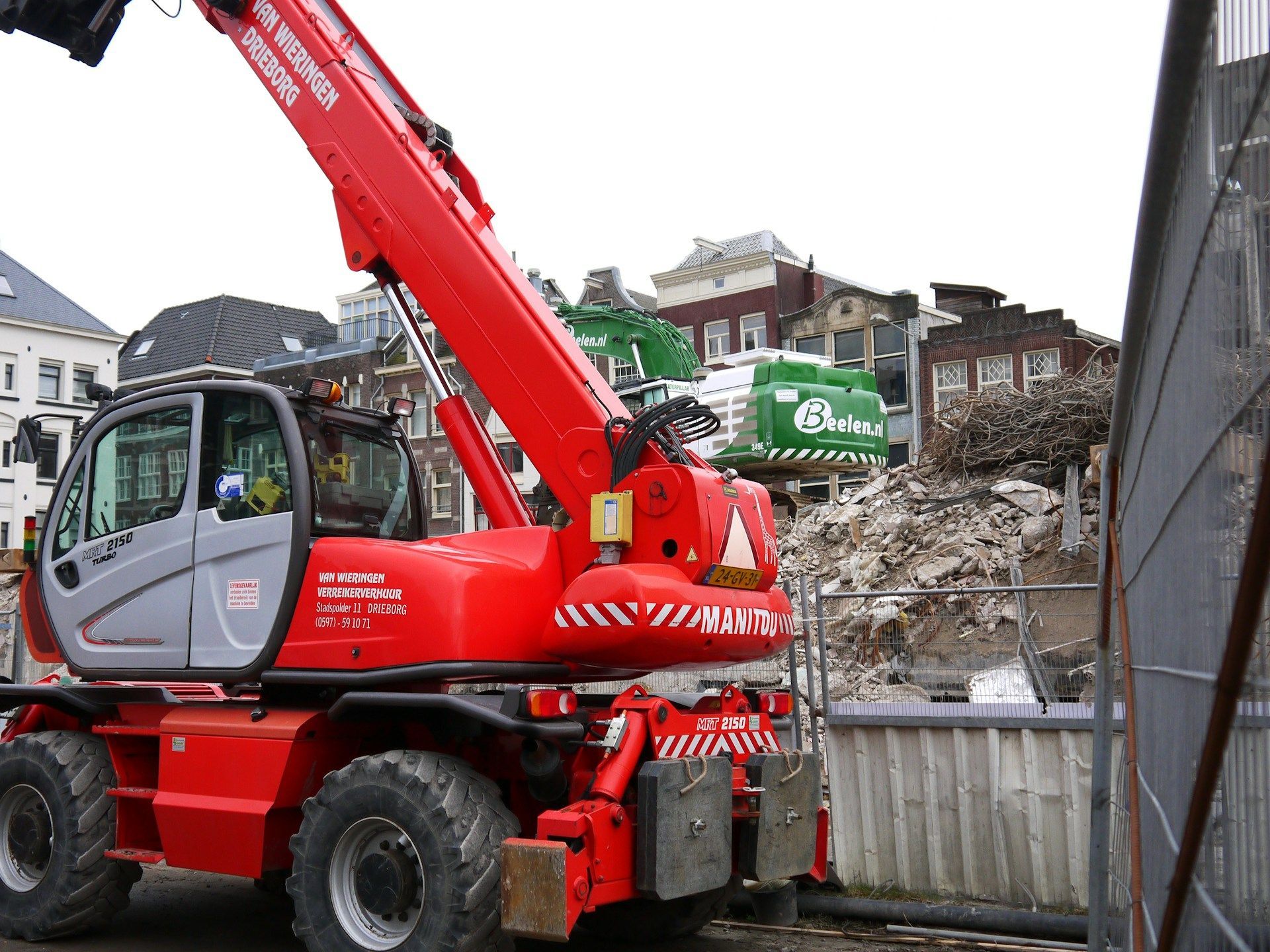
Old home demolition does not happen in a bubble. There are sidewalks, nearby homes, trees, and often busy streets right next to the work area. Keeping those spaces safe is part of doing the job the right way.
A careful demolition plan includes:
- Fencing and clear signage so people stay out of danger zones
- Traffic control when trucks, equipment, and dumpsters move to and from the site
- Scheduling louder or dustier work at times that reduce impact on neighbors
The environment also needs protection. Loose soil, old foundations, and heavy equipment can create runoff issues, especially in wet weather. Contaminants from broken materials should not end up in nearby soil, storm drains, or streams, so erosion control and cleanup are part of the demolition plan.
We also look for chances to recycle and salvage. Concrete, brick, and metals are often separated from general debris and sent to be reused instead of going into landfills. When the work is finished, the goal is a clean, level, build-ready site, not just a pile of broken materials.
Choosing the Right Demolition Partner for Your Old Home
When you are dealing with an older house, the right demolition partner makes the whole process smoother and safer. Not every contractor has experience with old home demolition and the hazards that come with it, so it pays to ask questions.
Key things to look for include:
- Proper licensing and insurance
- A strong safety culture and track record
- Experience working with older structures and hazardous materials
Good questions for Kansas City homeowners to ask are:
- How do you check for asbestos and lead before work begins?
- How do you keep dust and debris away from nearby homes and sidewalks?
- Where does the debris go, and how do you handle hazardous waste?
- Do you handle site preparation after teardown so building can begin quickly?
A local specialist understands common building patterns in the area, as well as local permitting and inspection routines. That local knowledge helps keep projects moving, from hazard assessment and removal through demolition and final grading. With the right team, you can clear an old home safely and be ready for the next phase of your project without unnecessary delays.
Get Started With Your Project Today
If you are ready to safely clear the way for a renovation or new build, our team at T-Mac Environmental is here to help. Explore our
old home demolition services to see how we handle each step with care, compliance, and efficiency. We will walk you through permitting, preparation, and debris removal so you know exactly what to expect. Have questions or need a quote? Just
contact us to talk with our team.