Preparing for House Demolition During Kansas City Storm Season
Safely Navigating House Demolition in Storm Season
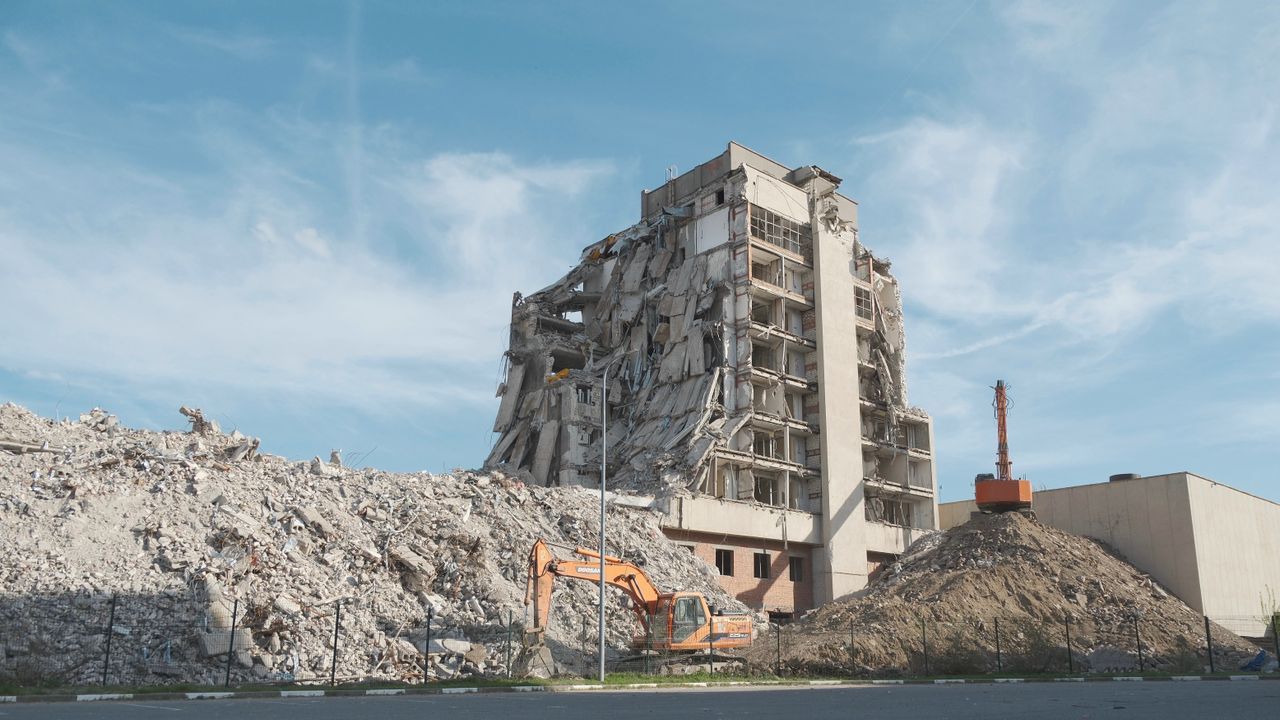
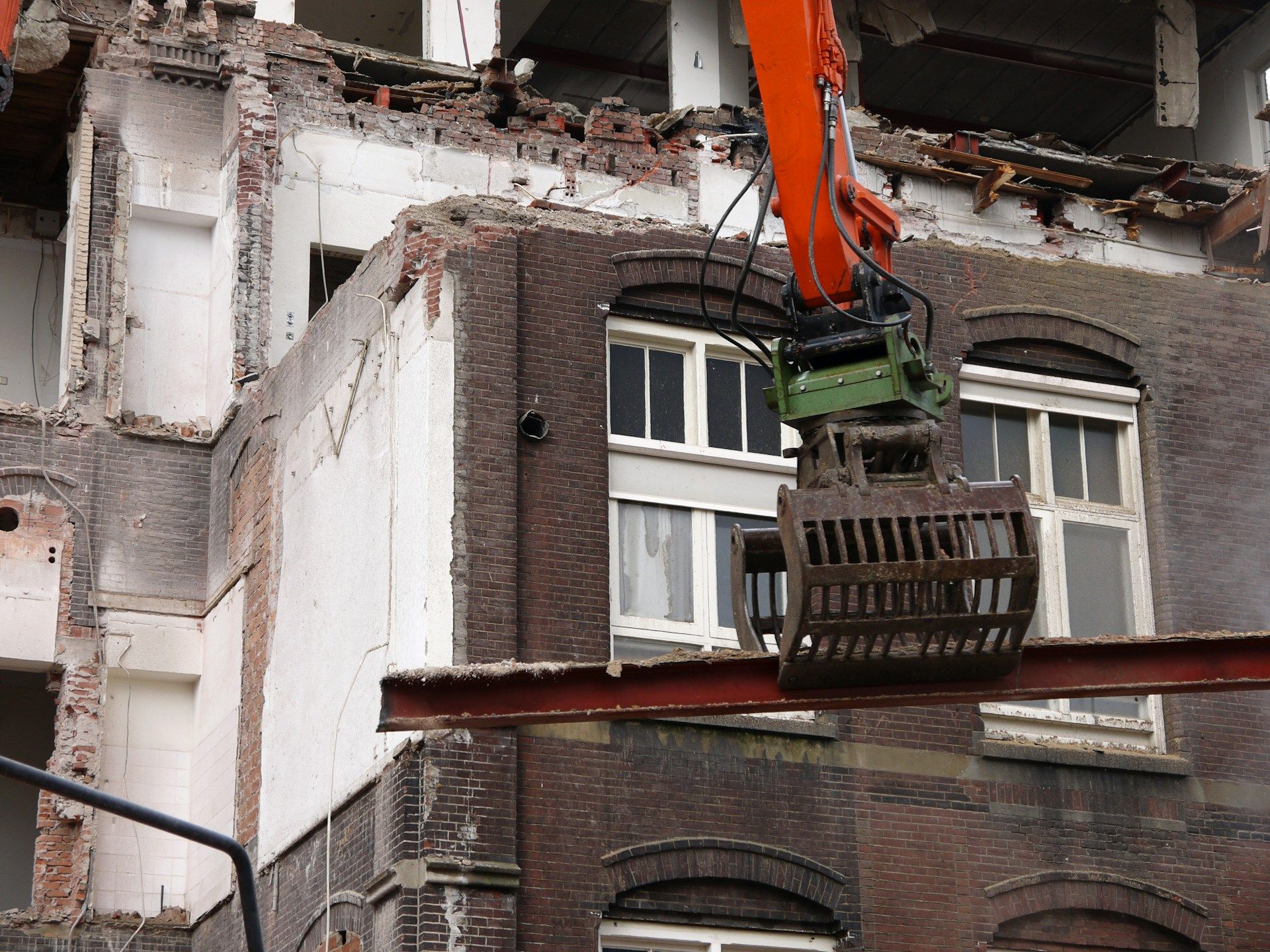
Planning house demolition in Kansas City during late spring is not just about picking a date and clearing your schedule. Our weather can flip from sunny to severe storms in a single afternoon, and that can affect every part of your project. If you are looking at tearing down a home between May and early summer, storm season needs to be part of your plan from day one.
Severe thunderstorms, strong winds, hail, and sudden heavy rain can delay work, damage nearby property, and create unsafe conditions for everyone on site. Done the right way, house demolition during storm season can still move forward safely and on time. As a local Kansas City demolition team, we focus on safety, efficiency, and environmental responsibility, especially when the forecast is unpredictable.
Understanding Kansas City Storm Risks Before You Plan
Kansas City storm season often brings a mix of tornado watches, severe thunderstorm warnings, and quick downpours that can catch people off guard. For house demolition, these are not just background weather reports; they are direct safety and planning issues. High winds can move equipment, shift loose materials, or knock down already weakened parts of the structure. Heavy rain can turn a solid work area into slick mud in a matter of minutes.
Saturated ground can also change how a building behaves during demolition. When the soil is soft and soaked, foundations may settle or shift in unexpected ways. Add flying debris from nearby trees or structures, and the risk goes up for workers, neighbors, and passing traffic.
This is why a careful on-site assessment before work begins is so important. A professional crew will look at:
- Existing structural damage or weak spots
- Drainage patterns and low areas where water collects
- Nearby trees, power lines, and structures that might be affected
- Access routes for heavy equipment in wet or muddy conditions
By building seasonal weather into the plan early, you get more realistic expectations and a safer schedule.
Pre-Demolition Prep to Weatherproof Your Project
Good preparation makes storm delays less stressful and helps protect your property and your neighbors. As a homeowner, there are a few key steps you can take before demolition starts, especially during storm season.
Your to-do list often includes:
- Securing permits as early as possible so you are not stuck waiting while storms roll through
- Coordinating utility shutoffs for gas, electric, water, and internet before work begins
- Documenting the property with photos or video for your own records and insurance
- Clearing out valuables, personal items, and anything you might want to salvage
On the contractor side, a professional demolition company plans for changing weather by building flexibility into the schedule. That can mean a wider start window, backup days, and clear expectations about how weather delays will be handled. Regular updates help everyone know when it is safe to push forward and when it is better to pause.
For storm season, site-specific protections are also a big part of planning. These can include:
- Erosion control to keep soil from washing onto sidewalks or into storm drains
- Silt fencing and other barriers to hold sediment and debris on site
- Proper grading or temporary drainage paths to move water away from the work zone
- Safe staging areas for materials and equipment so they do not shift or float in heavy rain
All these details work together to keep the project safer and cleaner, even if the weather turns rough.
Building a Storm-Ready House Demolition Plan
A strong demolition plan is more than a list of tasks. In storm season, it should clearly spell out what weather will stop work and how the site will be secured when that happens. Written thresholds help everyone stay on the same page and remove guesswork in the moment.
A storm-ready plan often includes:
- Maximum wind speeds for safe work with equipment and on partially demolished structures
- Lightning distance or radar alerts that trigger an immediate pause
- Rules for stopping work in heavy rain, hail, or reduced visibility
Safety protocols should be clear for every person on site. That means the right personal protective equipment, known shelter spots for sudden storms, and step-by-step shutdown procedures. Daily weather briefings are especially helpful during active storm periods, so crews know what conditions to expect over the next several hours.
A thoughtful plan also protects neighbors and public spaces. Temporary fencing, warning signs, and controlled access points help keep people out of danger zones. In busy areas, traffic control may be needed to guide vehicles and pedestrians around trucks, equipment, and any short-term lane closures. Debris containment measures, like netting or carefully placed barriers, help keep loose material from leaving the site during high winds.
Environmental Protection When Skies Turn Unstable
Stormy weather and demolition can be a messy mix if the site is not handled with care. Heavy rain can carry dust and small debris off the property. Strong winds can spread fine particles farther than expected. When older homes are involved, there might be concerns about asbestos, lead paint chips, or other hazardous materials if they are not properly contained.
Environmentally responsible demolition during storm season pays close attention to how materials are handled and stored. Best practices often include:
- Covered dumpsters to help keep rain out and keep dust and debris in
- Quick, organized debris removal so loose material is not left exposed for long
- Careful separation and containment of recyclables, general waste, and any regulated materials
Working this way lowers the chance of pollution, protects nearby yards and waterways, and keeps the site safer for workers and neighbors.
At T-Mac Environmental, we take this side of the work seriously. Our focus on eco-conscious methods includes recycling materials when possible and working in line with local and federal rules for handling and disposing of demolition debris. Storm season only raises the stakes, so we plan with that in mind.
Choosing the Right Kansas City Demolition Partner
When you are planning house demolition during Kansas City storm season, the contractor you choose matters a lot. You want a team that understands local weather patterns and knows how to work safely when the forecast is changing by the hour.
Helpful questions to ask a demolition contractor include:
- How much experience do you have working during storm season in this area?
- What is your approach to weather-related delays and rescheduling?
- How do you protect neighboring homes, sidewalks, and streets during severe weather?
- What safety practices do you use for your crews when storms are possible?
There is also real value in choosing a local Kansas City company that already works with area codes, permitting offices, and neighborhood rules. That local knowledge makes it easier to plan timelines, traffic routes, and communication with neighbors.
T-Mac Environmental is built around balancing timelines, safety, and environmental care. When storms are in the forecast, we treat that as a planning factor, not an afterthought, so your house demolition can move forward with more confidence and less stress.
Get Started With Your Project Today
If you are ready to move forward with safe, compliant, and efficient
house demolition, we are here to help every step of the way. At T-Mac Environmental, we assess your property, handle necessary permits, and complete the job with minimal disruption to your schedule. Tell us about your project and timelines so we can provide a clear plan and estimate. Reach out today through our
contact us page to get started.