How Kansas City Property Managers Prepare for Building Demolition
When property managers start planning for building demolition in Kansas City, they often face a mix of tight deadlines, property rules, and seasonal weather. It’s not just about tearing down walls. There’s a longer checklist behind the scenes that takes time and careful planning.
The winter months can add even more pressure. January in Kansas City brings freezing temperatures, snow, and slower response times from city departments and utilities. To stay on top of it all, we need to prepare early, stay flexible, and work closely with people who know demolition requirements. Here's how we think through each step before the first machine rolls in.
Understanding the Scope of the Project
Every demolition project starts with figuring out what kind of work is needed. Some properties only need a section removed, while others are being cleared out entirely. Before anything gets scheduled, we walk the property and ask a few key questions.
• Will the demolition be full or selective? Full demolition usually means tearing everything down, clearing the slab, and prepping the ground for the next build. Selective demolition is more detailed. It might involve keeping walls, floors, staircases, or exterior elements intact.
• Are there any hazardous materials? Older buildings can hide asbestos, lead paint, or other risks that need certified removal before anything else begins.
• Is the property residential, commercial, or industrial? Each type brings its own rules and equipment needs. A small house and a multi-story office building won't be handled the same way.
Once we answer those questions, the job gets a lot clearer, and we can plan for the right tools, safety steps, and schedule.
Coordinating with Utility Companies and City Departments
Before any demolition can start, the property needs to be disconnected from all utilities. That means gas, electric, water, and sometimes sewer. These aren't last-minute steps.
• Utility disconnections need to be requested in advance, especially in winter months when service crews are busier or roads are harder to reach.
• Each utility provider has its own steps and paperwork, and they often won’t move forward unless everything lines up.
• We also check what the city needs. In Kansas City, permits can take several days or longer to process. Some areas might need site inspections or noise plan approvals.
If even one piece of that is missing, the entire project can stall. We stay ahead by working backward from the target demolition date, building some room into the timeline just in case.
Planning for Cleanup and Recycling
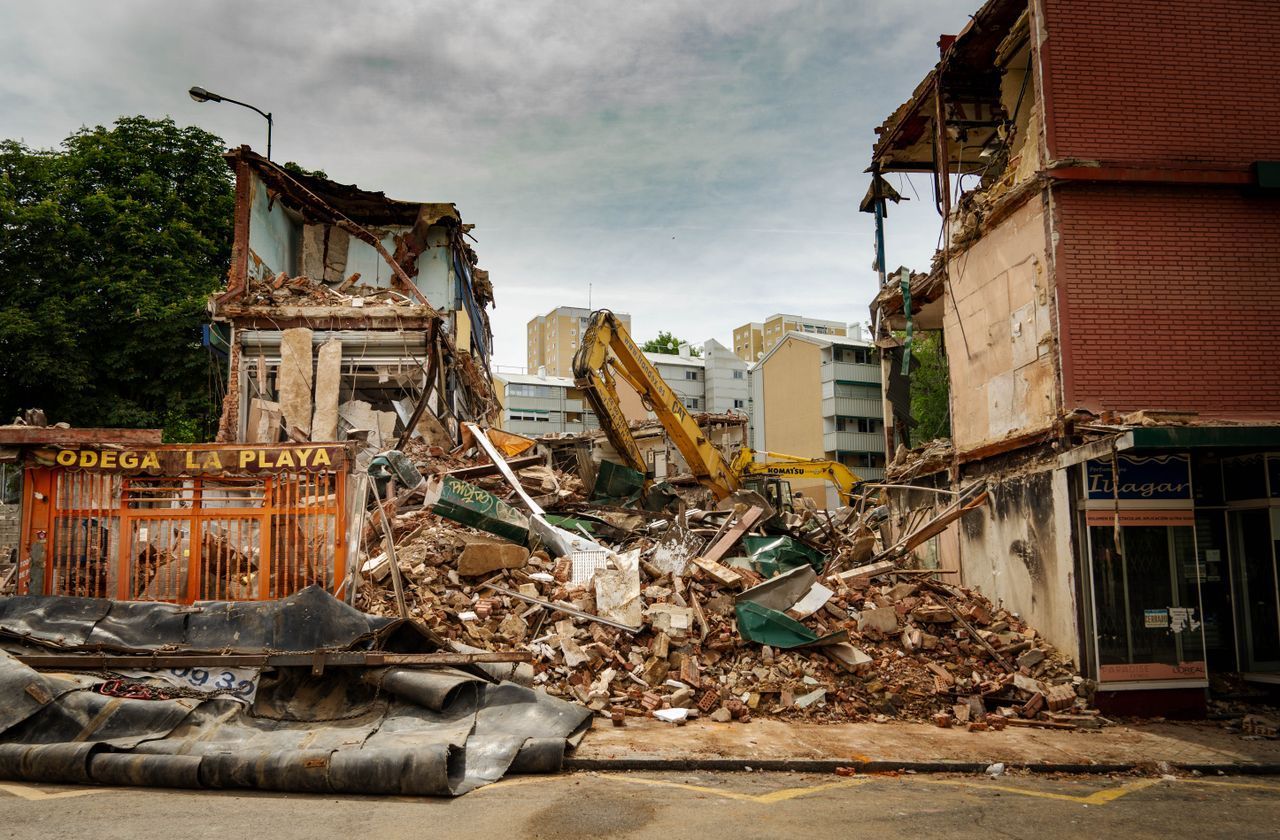
Once demolition starts, the debris piles up fast. Planning early for how to handle that makes a big difference. We don’t want waste containers overflowing or materials scattered in the wrong spots.
• Materials like concrete, brick, and scrap metal can often be recycled. Local facilities in the Kansas City area have guidelines on what they’ll accept.
• Sorting helps cut back on landfill waste and speeds up final site cleanup. That’s better for everyone, especially neighbors nearby.
• We also think about dust and noise. In tight neighborhoods or downtown areas, we take steps to contain what we can and keep things as quiet and clean as possible.
Cleanup isn't just the last step, it runs hand in hand with how demolition is done. Managing it through the project keeps things safer and smoother.
Weather-Ready Scheduling for Winter Demolition
Winter demolition comes with a whole list of extra things to think about. In Kansas City, we can’t count on clear days or dry ground in January.
• Snow and ice can shut down machinery or make it unsafe to work. We make sure our schedule includes buffer days.
• Cold weather can slow material handling or make cleanup harder. If containers freeze shut or roads ice over, we lose time.
• We also adjust site safety rules. Workers may need more breaks, heated areas, or traction support on frozen ground.
Trying to move too fast in bad weather can backfire. We plan around the forecast and update our work plan as we go if conditions shift.
Working with Professionals Who Know the Area
Every city has its own rules for how demolition works, but even within Kansas City, the process can vary depending on the neighborhood. Permits might require notices to neighbors, special traffic control, or added safety steps if schools or hospitals are nearby.
• We rely on people who know which city offices to contact and how long they'll take to respond.
• Local experience helps avoid missteps with inspections and keeps everything moving smoothly.
• Before finalizing a start date, we always review the project timeline, safety plan, and materials disposal approach with someone who’s done this kind of work locally.
Cutting corners early often means big delays later. Having the right people involved makes sure that doesn’t happen.
Staying Ahead of Surprise Delays
Delays happen on demolition jobs, but the ones that throw everything off are usually linked to poor planning. We’ve seen projects fall behind because someone forgot a permit, couldn’t get a dumpster pick-up on time, or didn’t expect a two-day snowstorm.
• We start early, often a few months out, so that timeline changes don’t catch us flat-footed.
• We build time into the planning phase for common slowdowns, especially when the job kicks off in winter.
• When tenants, neighbors, or contractors are involved, we communicate timelines clearly so no one is left guessing.
Good demolition prep leads to fewer headaches, less cleanup stress, and better results on site. Kansas City property managers who stay ahead of the curve tend to get quicker turnarounds without sacrificing safety or quality.
Kansas City Demolition Runs Smoother with the Right Prep
We offer both selective and full demolition services for commercial, industrial, and residential properties throughout the Kansas City area. Our team manages permits, coordinates with utility providers, and handles hazardous materials abatement as part of the demolition process. Demolition is more than knocking things down. There are timing concerns, weather conditions, safety checks, and city steps that all need to happen in the right order. In Kansas City, winter adds even more layers to the planning mix.
By thinking ahead, giving space for utility scheduling and permits, and working with professionals who understand the area, property managers can keep control of even the busiest demolition timeline. Good planning leaves fewer chances for things to slip through the cracks and helps the work stay safe, clean, and on track from start to finish.
Kick Off Your Winter Demolition the Smart Way
Planning demolition work in Kansas City starts with understanding your needs and involving the right team. Whether your project calls for a full teardown or selective interior demolition, requirements can shift quickly based on space, materials, and the season. We help property managers with every step of the process to keep projects moving smoothly from start to finish. To see how we manage all aspects of
building demolition in Kansas City, connect with us at T-Mac Environmental and let’s explore your plans together.