Understanding Demolition and Debris Removal for Kansas City Projects
When you're planning a construction job or property improvement in Kansas City, demolition and debris removal are often the first steps. Clearing a space safely and responsibly makes everything else run smoother. It’s more than just knocking something down. It means organizing the tear-down, knowing what's in the building, and tracking every piece that gets hauled away.
By early December, winter starts working against tight schedules. Cold temps, snow, and icy streets can delay work or make it tougher to move machinery. That’s why getting everything in order before the cold fully sets in can help avoid costly slowdowns. For property owners, planning ahead solves problems before they start.
What Demolition Involves on a Kansas City Jobsite
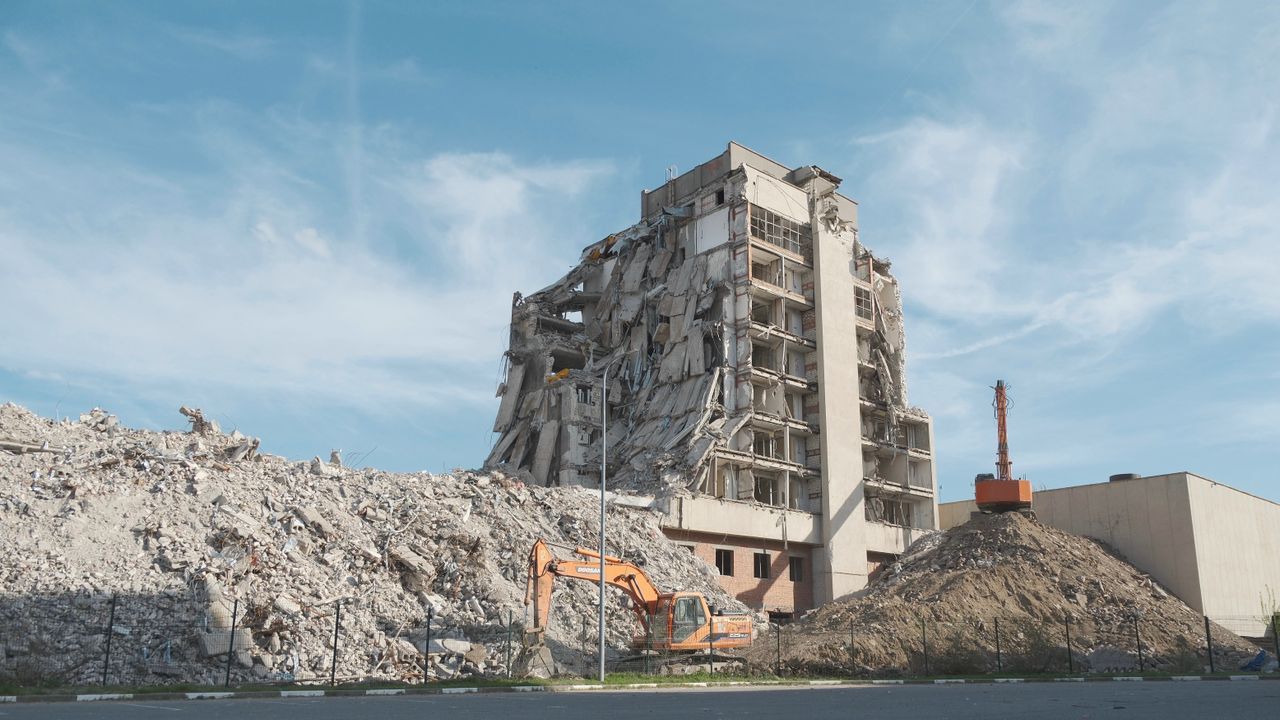
Demolition comes in many forms. Sometimes it’s a full takedown of an old home or commercial building. Other times, it’s just one part of a structure that needs to go. This can include selective demolition, where only the interior or a certain section is removed while the rest stays put. It all depends on what the property needs and what the final goal is.
Jobs in Kansas City usually require city permits, inspections, and pre-work checks. Structures need to be tested for hazards like asbestos or lead-based paint, especially on older builds. Mapping out a timeline helps too. Winter work is still possible, especially with the right tools and planning, but it moves better when everything is lined out early.
T-Mac Environmental is licensed for both residential and commercial demolition, from whole-building teardowns to selective demolition for remodels or renovations. We provide expert environmental remediation for hazardous materials, including lead-based paint and asbestos, ensuring all Kansas City projects are handled safely and according to local, state, and federal rules.
Planning for a Kansas City demolition project in colder months might mean working around holiday schedules or shorter daylight hours. Local crews know how to manage weather, but having permits, disconnects, and prep done ahead of time makes all the difference.
Understanding Debris Removal and What Happens After the Tear-Down
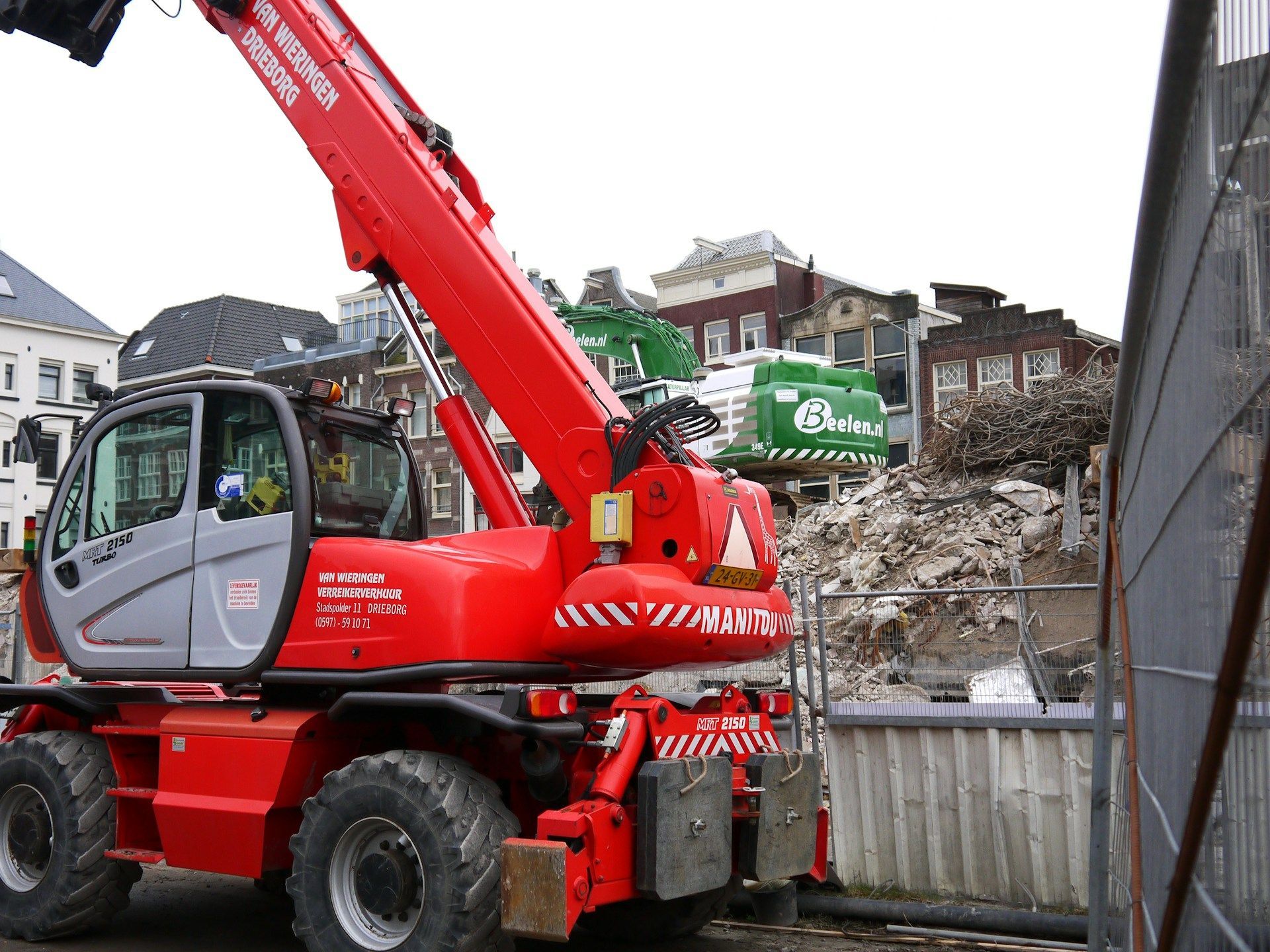
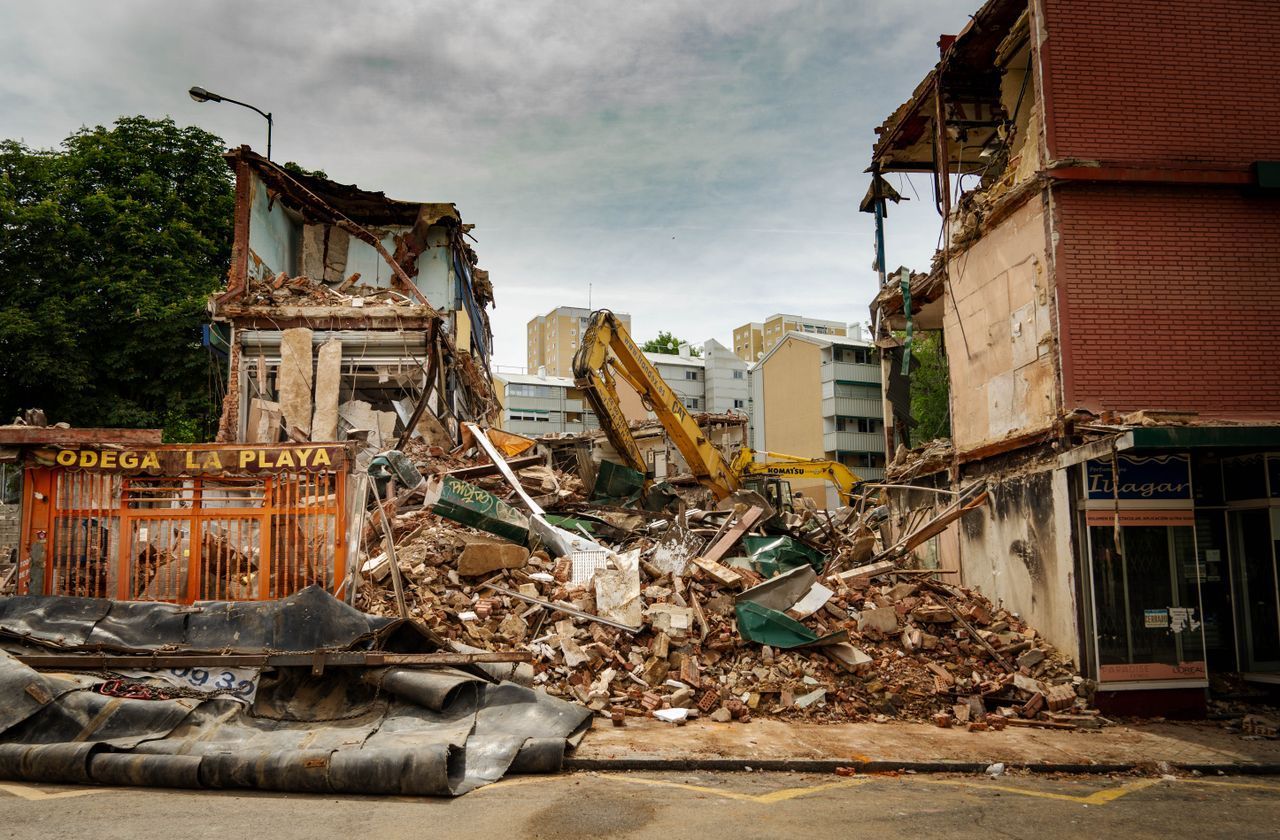
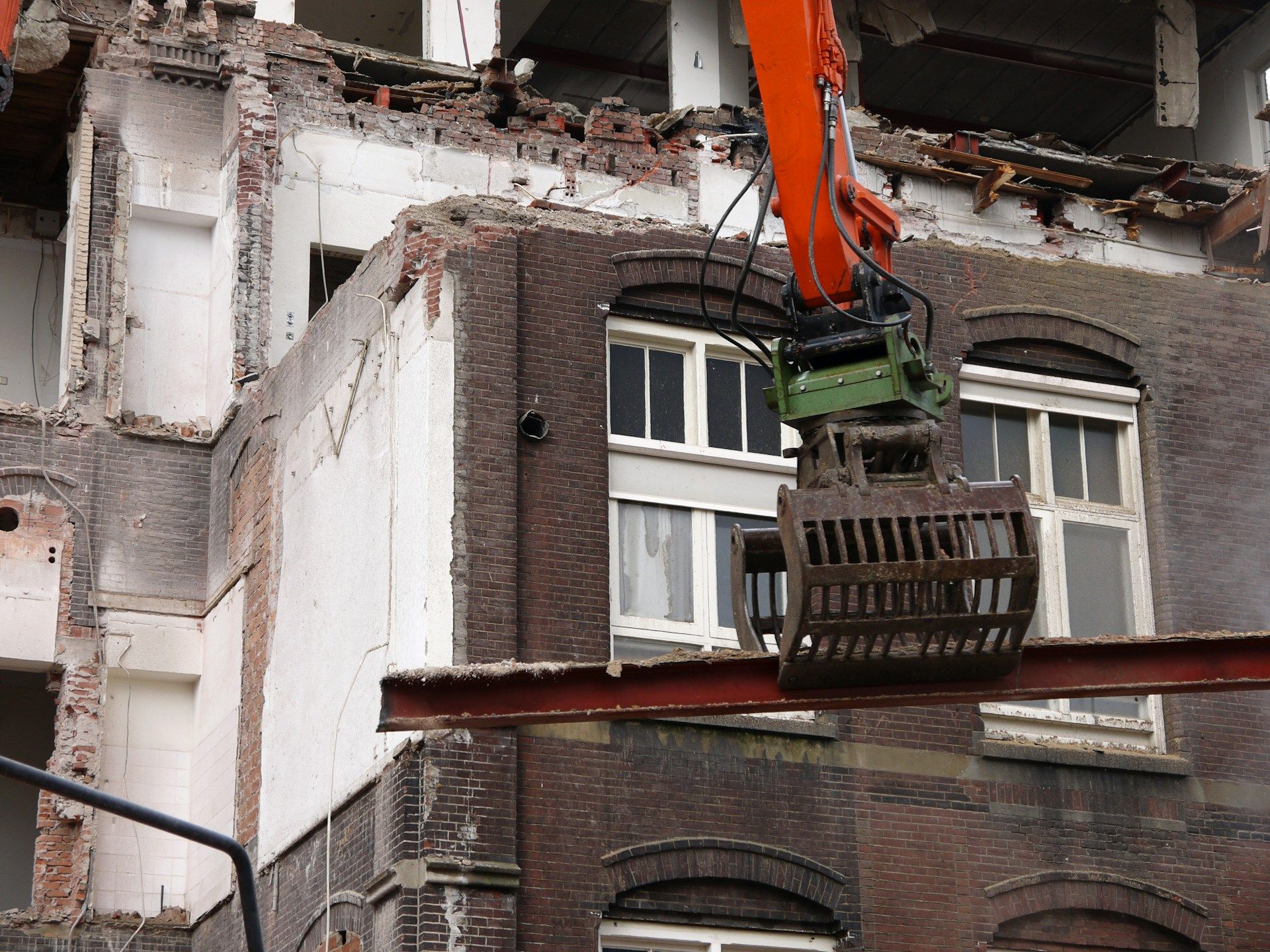
Once the walls come down, the real cleanup begins. Demolition sites leave behind piles of material ranging from wood and brick to old piping, drywall, and roofing. Not all of it is junk. Several materials can be sorted, recycled, or reused depending on their condition.
Proper debris removal keeps the workspace clean and reduces fire hazards or injury risks. It also keeps neighboring driveways, sidewalks, and storm drains from getting clogged with loose dust or small materials. In Kansas City, rules about how to handle demo debris matter. You can’t leave piles behind or dump them into basic trash. Large appliances, concrete chunks, and anything with dangerous parts need special handling.
T-Mac Environmental manages waste in accordance with Kansas City disposal regulations and focuses on recycling or reusing demolition debris whenever possible. Our teams keep jobsites clean, sort materials for recycling, and use safe disposal methods for hazardous or contaminated items.
Following local policies for disposal avoids fines and shows respect for the people working on-site and anyone passing by. The job’s not done when the structure is gone. It’s done when the ground is clean, clear, and ready for what comes next.
Choosing the Right Demolition Approach for Winter Projects
Not every job needs a full tear-down in winter. Sometimes smaller removals or interior work make more sense when facing short days and cold weather. The right demolition style depends on several details like access, building age, and how much open space is around the jobsite.
• Residential demolition may focus on sheds, garages, or partial walls.
• Commercial projects might target outdated fixtures, upper floors, or rear extensions.
• Selective demolition works well for remodels since the work stays mostly indoors.
Weather plays its part. Freezing temps can shift soil or create icy conditions that delay machines. Holiday schedules don’t leave much room for major hold-ups. That’s where planning pays off. Crews may use heaters, temporary shelters, or warmed-up equipment to get things done safely and on time.
Staying organized during winter projects prevents surprises and protects the property from sitting half-finished for months. Choosing the right approach keeps the job moving even when the weather doesn’t want to help.
Why Cleanup and Waste Removal Shouldn’t Be an Afterthought
What’s left behind after a demolition can stop a new project before it starts. Old fencing, chunks of rebar, hazardous waste, or buried rubble all need to be cleared properly. If not, they can create safety issues, block foundation work, or ruin soil conditions.
Good cleanup helps site prep happen faster. It opens up the land for surveyors, builders, or anyone needing access.
• Finishing debris removal lowers the risk of injuries or legal complaints.
• A cleaned lot is easier to grade, build on, or inspect.
• Neighbors appreciate tidy work areas, especially during the holiday season.
Cheap or fast cleanup jobs might skip important steps. It’s worth double-checking a crew’s process or asking what they plan to leave behind. Cutting corners now often means redoing work come spring.
A Smarter Start for Spring Construction
Getting land cleared in December means no delays when temperatures rise again. It’s one less thing to worry about when timelines pick back up. Any old buildings, dangerous waste, or leftover materials are already gone, and the site is ready for whatever comes next.
Safe demolition and steady debris removal now allow crews, architects, or property owners to walk into spring with no hold-ups. Even small steps taken in winter can shift an entire project forward. Finishing work before January ends the year on a lighter note and avoids spending spring catching up on tasks that could have been crossed off earlier.
At T-Mac Environmental, we understand how important it is to keep projects safe, clean, and running smoothly during the winter months in Kansas City. Planning ahead for both home lots and commercial sites helps work stay on schedule when temperatures start to drop. As you prepare for construction in the new year, start with safe, organized
demolition and debris removal to clear the way and prevent delays. Reach out today to discuss your project goals and timing with our skilled team.