What to Know About Industrial Demolition Company Practices Today
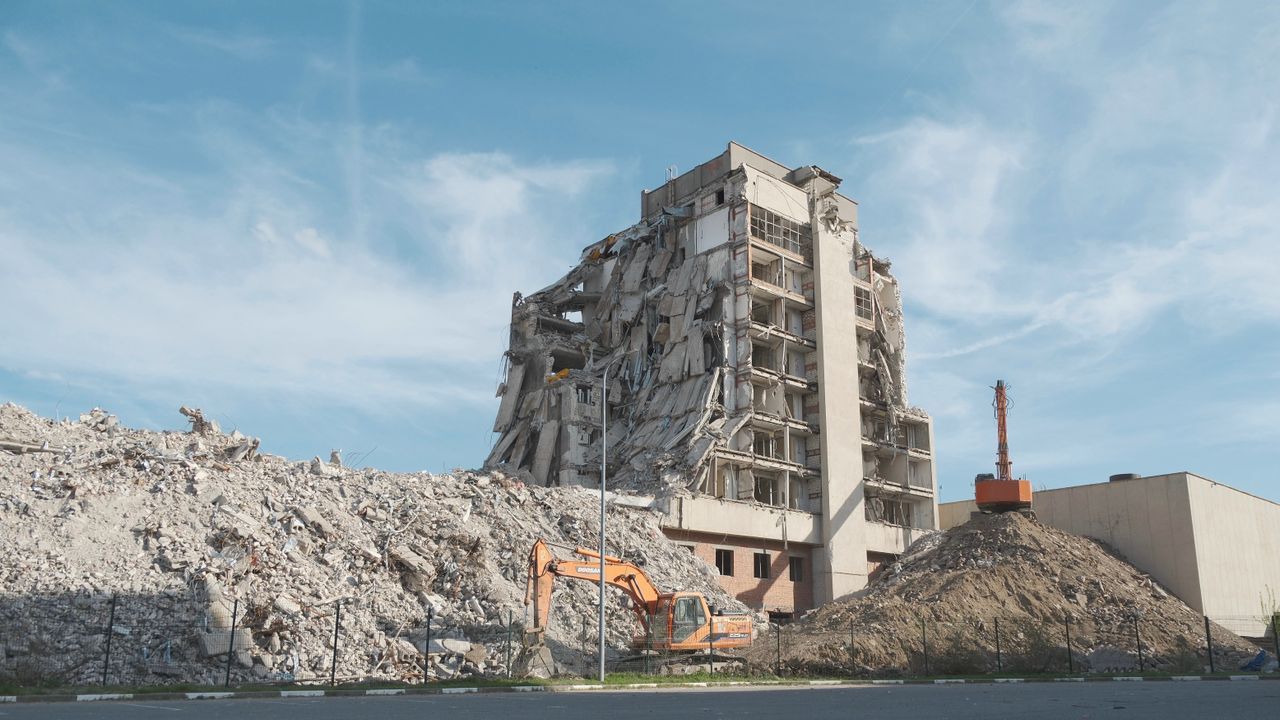
When a site has heavy steel, tall structures, or materials leftover from old industrial processes, the work ahead isn't like tearing down a house or renovating a storefront. That’s where an industrial demolition company steps in. These jobs go beyond simple teardowns. They often deal with older factories, plants, or production spaces that come with bigger hazards and much larger structures.
What makes this work different is the scale. A single structure might span blocks. Steel beams, reinforced walls, or pressurized tanks can take serious planning and specialized crew knowledge. Here in Kansas City, winter adds extra pressure. Wet, frozen ground can slow down heavy equipment. Crews need to work within shorter days and plan around unpredictable weather, not just for safety, but to stay on track.
How Industrial Demolition Differs from Residential or Commercial Work
The biggest difference comes down to the size and purpose of the buildings. Industrial sites tend to be larger and built with more durable materials. These aren't just walls and windows. We're talking about:
• Large factories with reinforced concrete floors and steel frames
• Warehouses that may span hundreds of thousands of square feet
• Processing facilities with boilers, tanks, and outdated utility lines
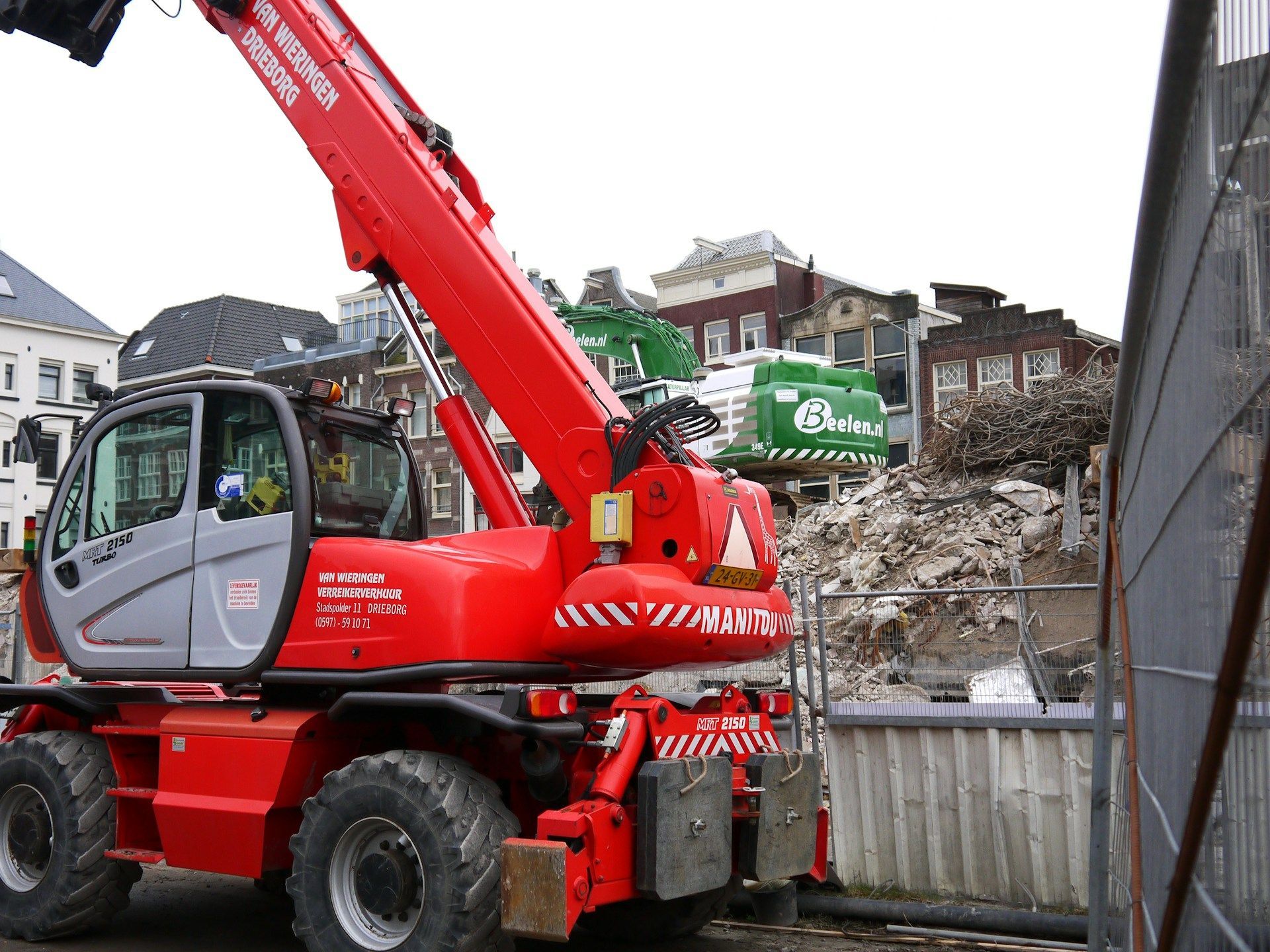
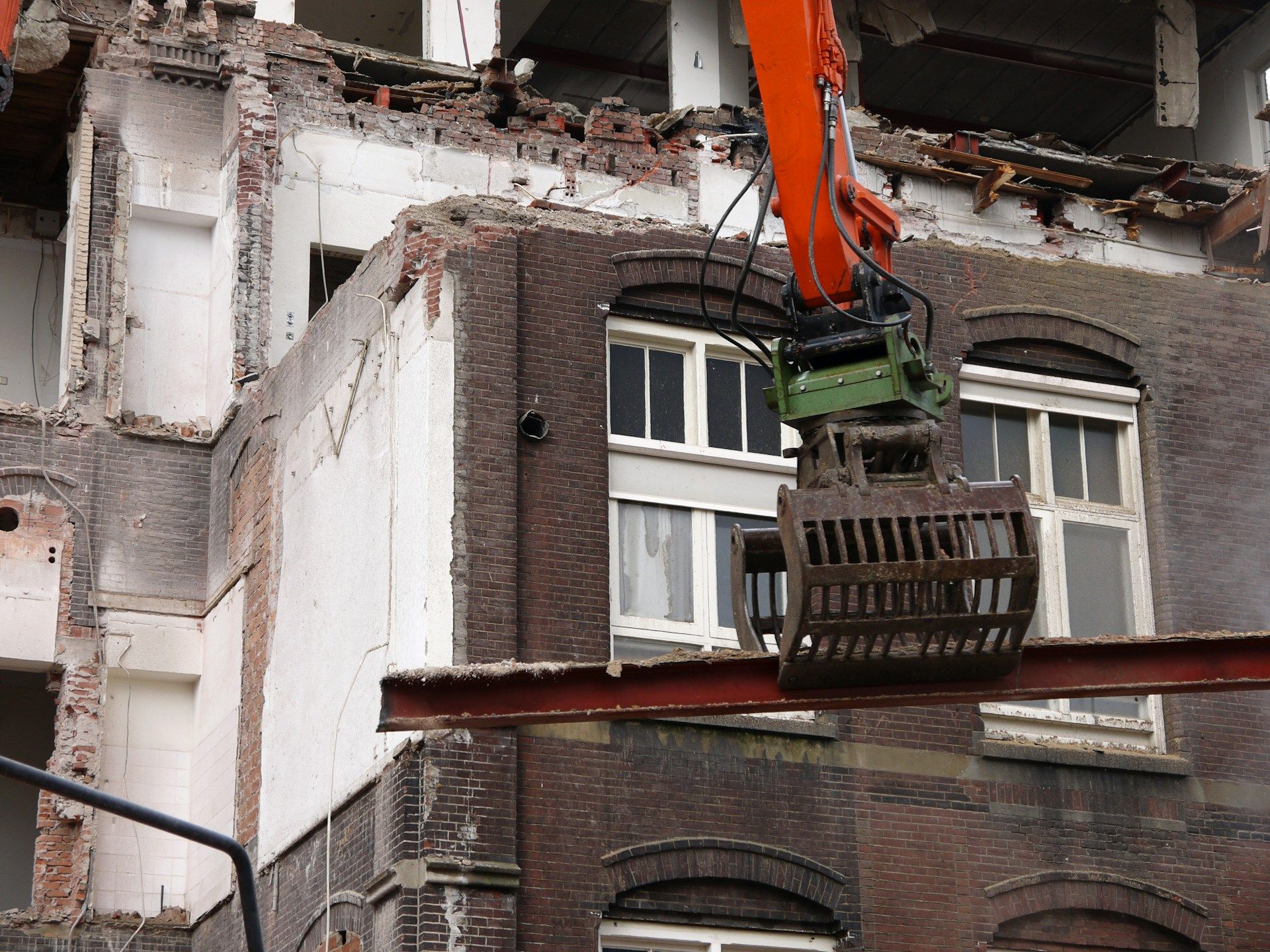
With that size comes the need for heavier machinery. Excavators, high-reach equipment, and special cutting tools are common. The crew lineup changes too. Jobs often require licensed professionals who can safely shut down old electrical or chemical lines, especially when there's pressure piping still intact.
If a building handled chemicals or other sensitive materials, pre-work testing isn’t optional. These sites usually need permits and deeper reviews before any demolition happens. Bringing down those buildings means following strict rules that protect not just the team but nearby people and properties too.
T-Mac Environmental is a licensed provider of commercial and industrial demolition services, including environmental remediation for hazardous materials such as asbestos and lead-based paint. We work with property owners, developers, and businesses throughout Kansas City to safely remove large-scale structures and follow all city and state regulations.
Safety First: How Crews Stay Protected on Heavy-Duty Jobs
Winter always adds new risks. For industrial work, the stakes are even higher. Frozen surfaces around steel beams, loading docks, or uneven ground can turn simple steps into serious fall hazards. Pipes might freeze and crack unexpectedly. When the sun sets early, it's even harder to watch every corner of a site.
We prep every project with these things in mind. That means focusing on:
• Cold-weather gear that keeps people warm and visible
• Ice control and clear walkways for workers and equipment
• Proper staging that limits how many machines or people move around in tight spaces
On active industrial sites, we also consider the people passing by. Crews install fencing and barriers, but we also increase lighting and use highly visible signs to show when the area is off limits. Even neighbors or delivery drivers should never be guessing where it's safe to walk or park.
Our crews follow stringent protocols for site safety, and we have experience in working on operational facilities or buildings containing hazardous materials. T-Mac Environmental utilizes licensed technicians for hazardous material containment, removal, and proper disposal in line with all regulatory guidelines.
Pre-Demolition Steps That Set the Tone
Every job starts before the tools ever come out. For larger industrial demolitions, there's more to check and shut down before any work starts.
1. Utilities like water, electric, and gas must be located and disconnected properly.
2. Permits often take longer in winter, so we start paperwork early.
3. We schedule rounds of material testing to find things like asbestos or chemical residue.
These steps don’t just keep the crew safe. They allow us to map out where certain items need to be removed or handled differently. Things like contaminated flooring or ceiling tile need their own disposal process. On top of that, we line up hauling routes that avoid icy hills or congested city zones to keep materials moving off site.
In addition to handling the technical aspects, we also coordinate closely with plant managers or property owners to ensure everyone understands the work schedule and sequence. Communication keeps everyone on the same page and helps us prevent delays from misunderstandings. Equipment staging is one of the trickiest parts in colder months. Frozen ground can make it harder to set stabilizers or prepare machines. So we plan around the weather, placing equipment in zones with better drainage or timed access to avoid setbacks.
What Smart Debris Removal Looks Like Today
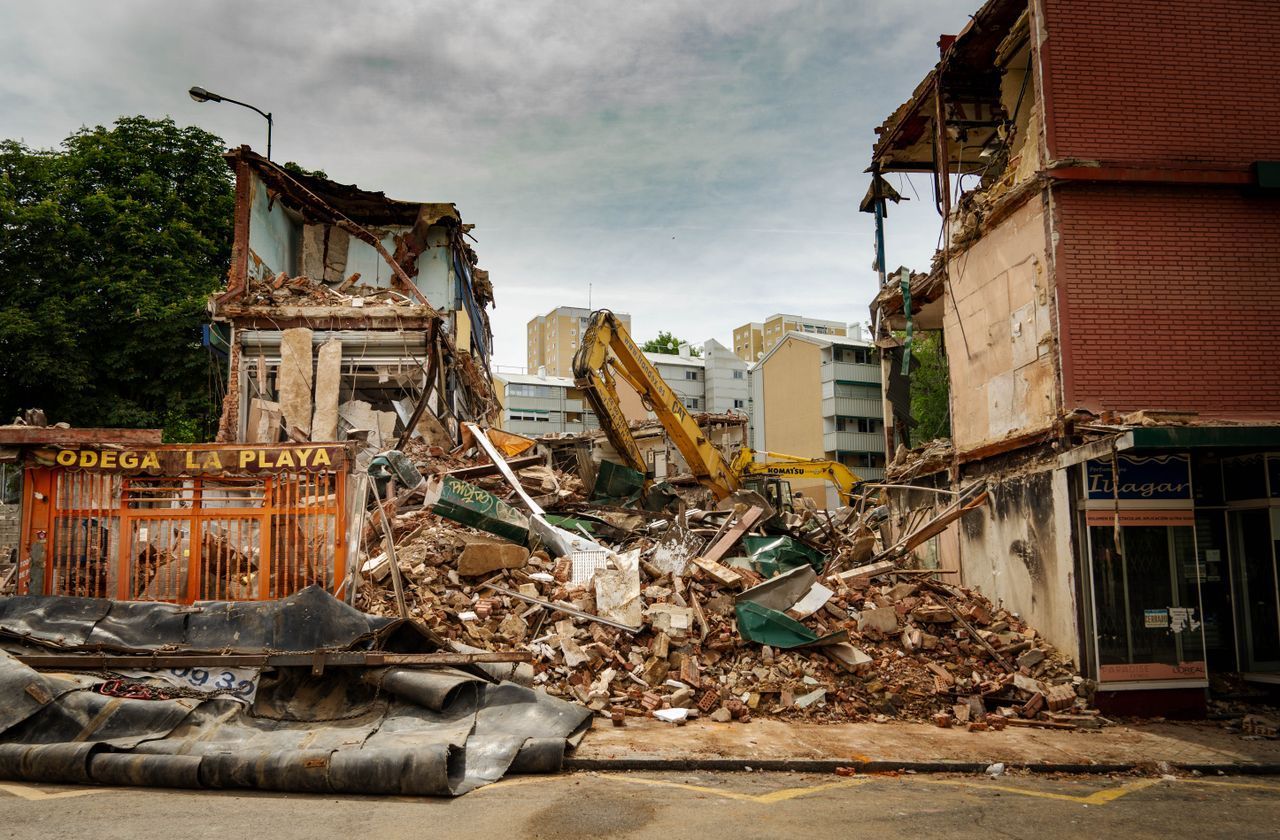
After a building comes down, there's always a lot left behind. For industrial buildings, cleanup can be more complicated than the demo work itself.
• Steel from framing and support beams gets sorted for recycling
• Concrete is often crushed and reused
• Roofing and insulation need separate handling, especially if they contain fiberglass or other irritants
More than anything, we keep an eye on what can’t be reused. Burned materials, oils, or soil exposed to chemicals are treated as special waste. We box, seal, and label those items so they’re sorted away from general debris and sent to qualified disposal sites. Doing this by the book helps avoid any delays or surprises later if someone reviews the site history.
These cleanup steps also help get permits signed fast when the next phase of construction is ready. Leaving a clean, stable site makes life easier for whoever builds next. We also complete a final walkthrough to double-check for small debris pieces that might get left behind. That extra step can make a difference in keeping the site truly ready for whatever comes next.
Winter Timing and Why Planning Now Helps Later
Mid-December can feel like the year is slowing down, but for big demolition work, it's actually the perfect time to start. Clearing older plants or facilities now gives owners a cleaner slate for spring. When construction picks back up, there’s no waiting for teardown or debris removal to get done in freezing temperatures.
Winter can bring storms, short daylight, and slow permit offices. Seasoned crews know how to stagger jobs, plan staging, and finish what they start in smart phases. The sooner we walk the site, the faster we can work around weather and match the schedule.
The other side of working in winter is peace of mind. If we can remove an old structure now, we avoid problems down the road when frost causes cracks or pipes fail in an unused facility. That early work often saves time and prevents bigger messes later.
Planning demolition projects in winter also lets us book equipment and crews before schedules start to fill up for the spring rush. With most other construction work slowing down in cold weather, we can devote extra attention and resources to industrial sites that need to stay on track.
Clearing Space the Right Way Matters
Working with an industrial demolition company is about more than knocking things down. It’s about understanding which steps need to come first so the rest of the work stays safe and steady. With larger buildings, we expect more delays, more debris, and more moving parts.
Winter doesn't stop this kind of work, it just changes how we handle it. Strong planning, careful testing, and smart timing make a big difference when the temperature drops. When everything below the ground is frozen, projects only move forward if the work leading up to that point was solid. Every good build starts with a clean, safe tear-down.
At T-Mac Environmental, we know that a solid start leads to a successful finish, especially for winter demolition work in Kansas City. Timing, safety, and planning matter as much as the right equipment, and our skilled crews provide the expertise needed for every phase of your project. When it's time to clear the way for something new, partnering with an
industrial demolition company ensures you stay on schedule, even when the temperatures drop. Reach out today to schedule a walkthrough or begin planning your next project with us.