Steps to Execute a Safe Commercial Demolition Project for Property Owners
Commercial demolition is often the first real step when taking on a new property plan. Whether you're planning a full rebuild or preparing a site for a new tenant, taking down an old structure needs to be done safely and carefully. That means more than just breaking walls, there’s a lot going on behind the scenes. For property owners, safety is usually the biggest worry. That's especially true in places like Kansas City, where winter weather can make scheduling harder and sites riskier. Cold wind, snow, and frozen ground all make planning more important than ever during this season.
We’ve worked on a lot of projects through Kansas winters, and we’ve seen how early prep sets the tone for everything that follows. Let’s walk through some of the key steps we recommend for running a safe commercial demolition project, from permits to clean-up.
Plan Ahead Before the First Wall Comes Down
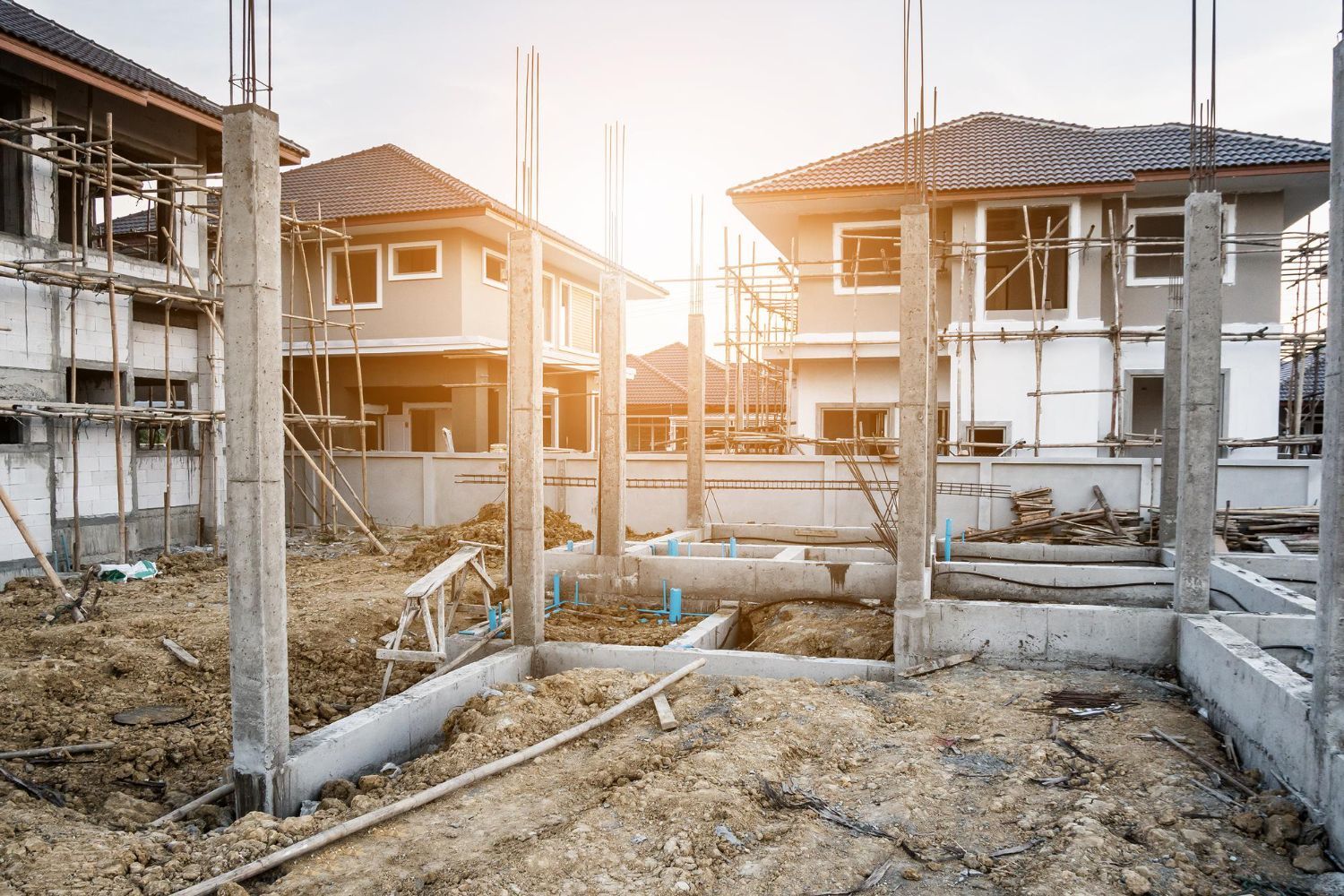
Every smart project starts with a solid plan. Before we bring in equipment or touch a single piece of debris, we work with property owners to understand the big picture.
• Are you clearing space for new construction?
• Is the job part of a larger renovation plan?
• Is the building still in use or totally vacant?
Answering those questions helps us shape the demolition to match the goal. It's not always a full teardown, sometimes only part of the building needs to go.
Once the goal is clear, the next step is bringing in licensed pros who know what to look for. That includes everything from handling hazardous materials to checking for foundation concerns. Winter timing means extra care around surfaces that could get slick or freeze over.
We always remind property owners that small oversights early on can turn into big delays. A good plan doesn't just save time, it helps everyone stay on the same page once crews get moving.
Secure the Right Permits and Notify the Right People
Demolition work needs paperwork, and depending on the city, this part can move slowly. Starting early makes a real difference. In Kansas City, commercial demolition projects usually need multiple permits, and some take longer to approve during busy times of the year.
Here’s what we usually see:
• Demolition permits through local building departments
• Environmental or asbestos notices
• Utility disconnection approvals
• Public sidewalk or street use permits, if the job affects those areas
In cold months, delays are common. City offices may be short-staffed around holidays, pipes can freeze during site inspections, and utility companies move slower when the weather turns rough.
We always recommend giving this step more time than you think. That way, you're not stuck waiting with equipment on site and nothing happening.
Prep the Site with Safety in Mind
Safety starts before the first piece of debris hits the ground. Prepping the job site takes coordination, attention, and the right setup. This is especially true in busy areas where people, traffic, or nearby buildings could be affected.
• Put up strong fencing to protect workers and block off danger zones
• Post clear warning signs around the site so neighbors and visitors know to stay clear
• Set up barriers if the work is close to sidewalks or parking lots
One of the biggest must-dos is utility disconnections. That means power, gas, water, and anything else still hooked into the building. A single missed shut-off can put crews at risk and slow the whole job. We check each one before moving forward.
Winter adds an extra safety layer. Ice and snow can cause visibility issues and make surfaces unstable, so we double-check pathways, signage, and security setups every day that weather might shift.
Manage the Tear-Down and Clean-Up Process
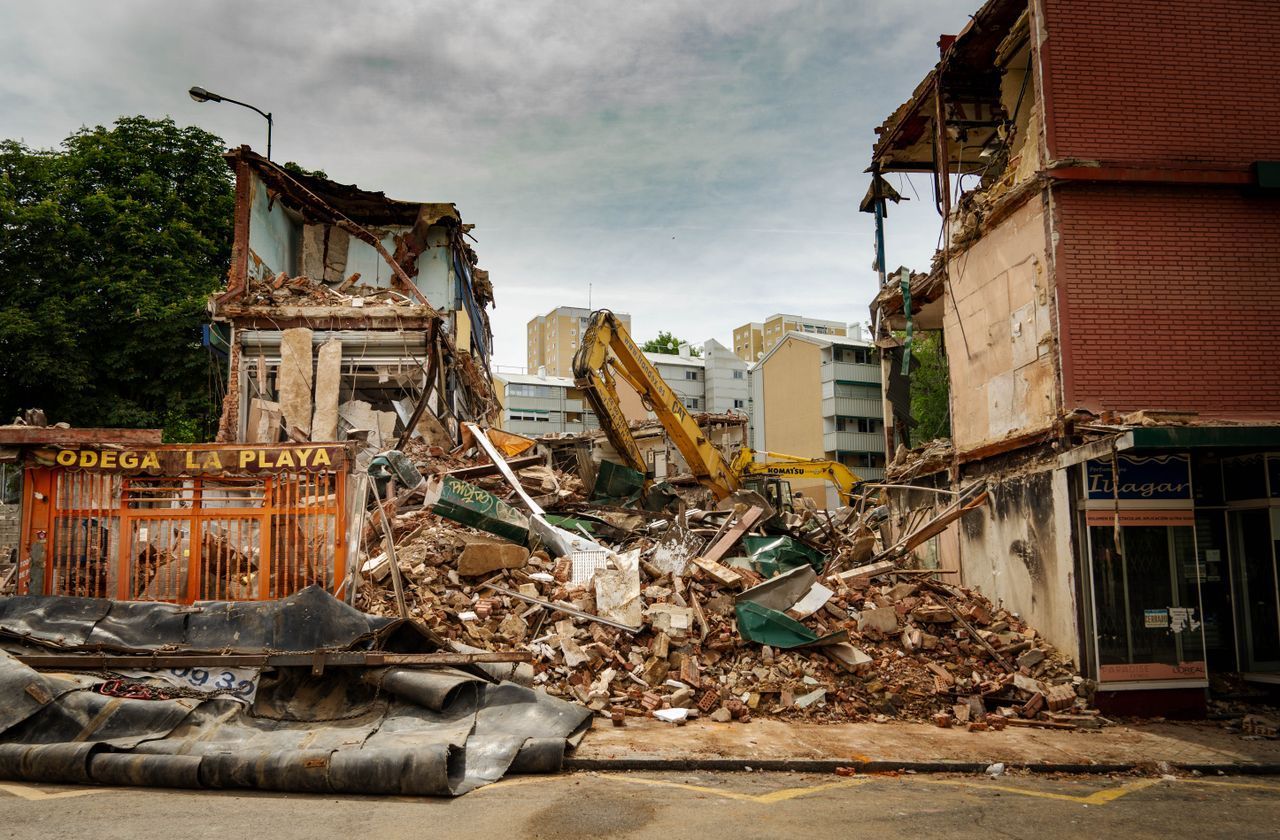
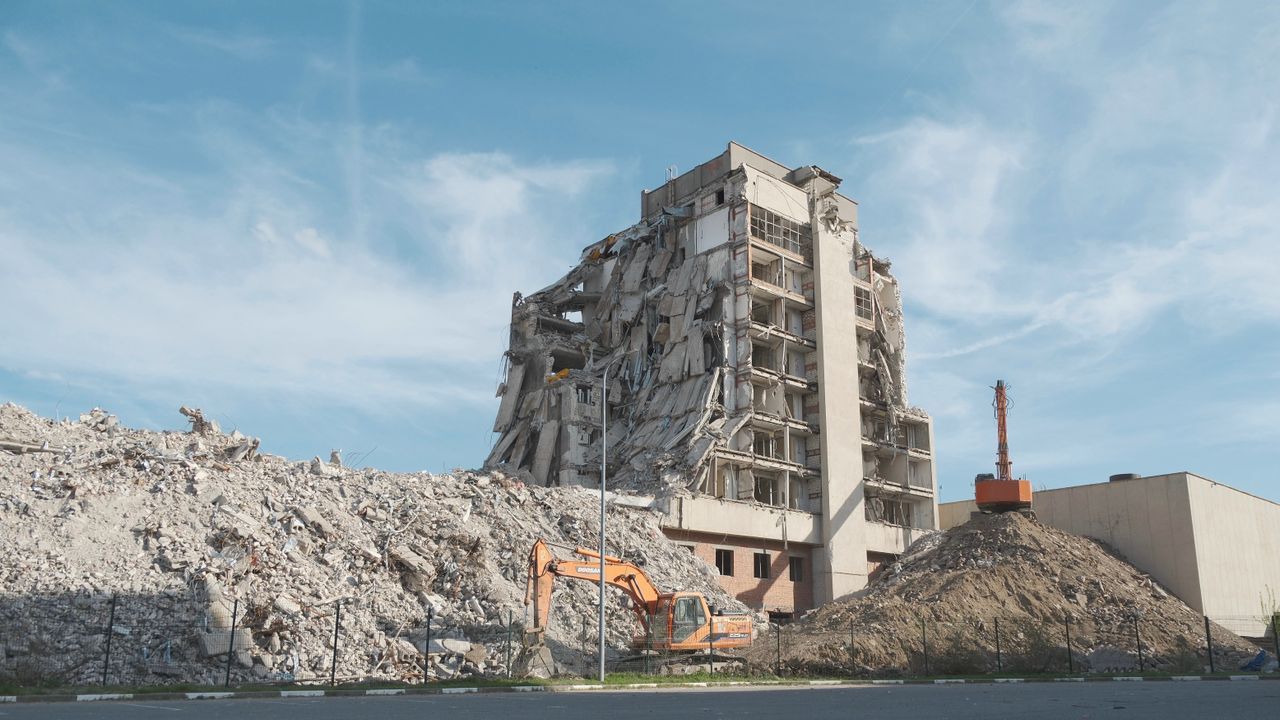
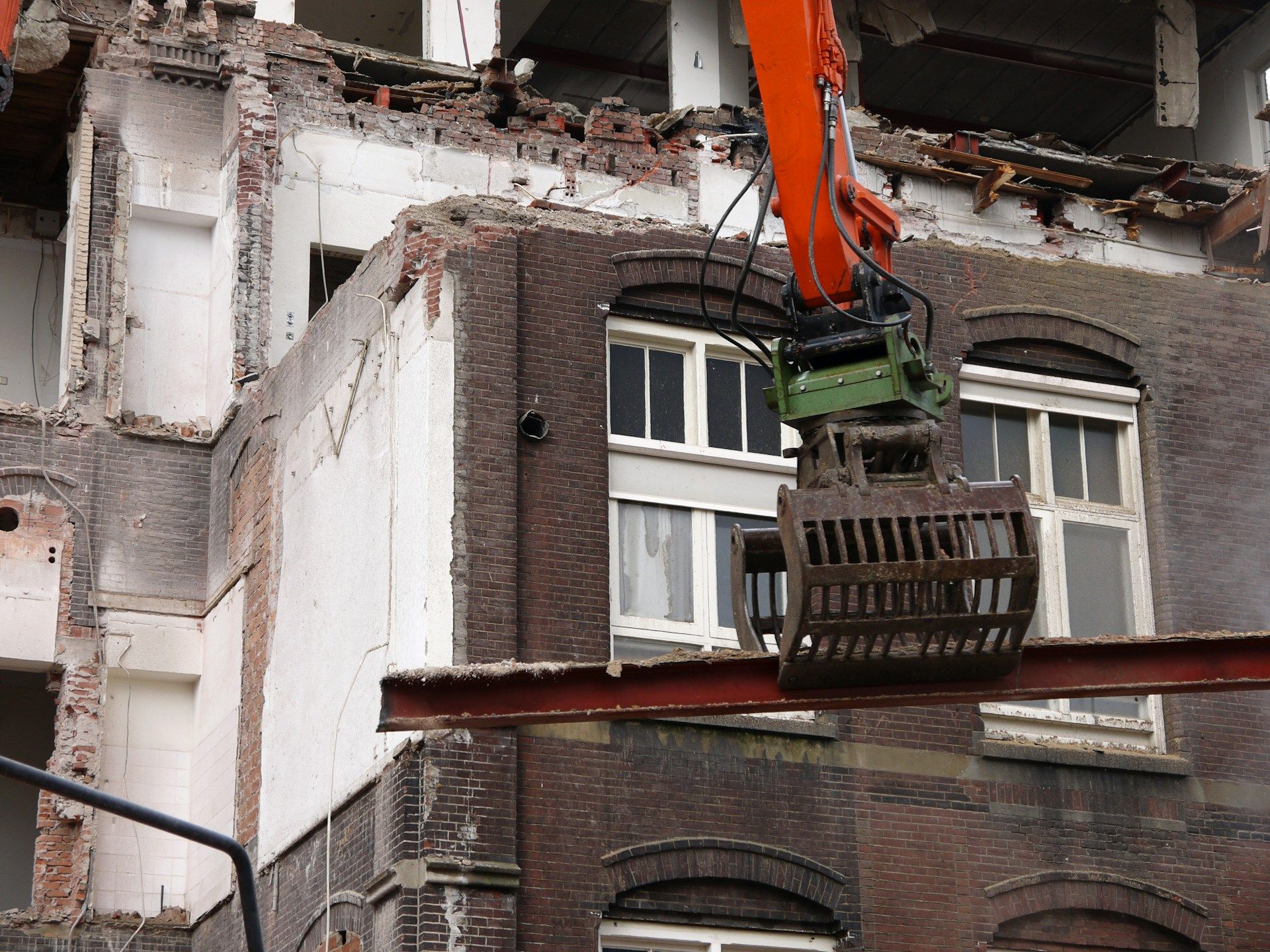
Once the actual demolition begins, things move fast, but not without a plan. Every site has its own mix of materials. Some of them can be reused, while others need special handling or recycling.
We group this stage into a few steps:
• Sort and load debris into different bins (wood, metal, concrete, etc.)
• Transport materials to approved dumps or recycling centers
• Handle any environmental rules around hazardous debris like asbestos or lead
Cold weather can throw a wrench in clean-up, especially if snow covers debris or rain turns the ground to mud. Ice and wet materials become heavier and harder to transport. We often pause work to cover materials or clear paths before continuing. Site checks after the demolition are just as important as the rest of the job. That lets us spot anything left behind, make final safety assessments, and confirm the site is ready for what comes next, whether it's new construction or a fresh foundation.
What Property Owners Gain From a Safe Demolition Project
We handle all phases of commercial demolition in Kansas City, including interior and structural demolition, hazardous material abatement, and responsible waste removal following city and state regulations. Our team specializes in demolition for office buildings, warehouses, manufacturing sites, and more, with a focus on jobsite safety, EPA standards, and minimal disruption.
Careful planning sets the tone for the whole project. When property owners prioritize safety, stay organized, and work closely with professionals from the start, things just run better. We’ve seen it time and time again.
A well-run demolition means fewer delays, fewer surprises, and less back-and-forth as the project moves forward. And most importantly, it keeps people safe.
No matter how big or complicated the job may seem, sticking to the right steps turns an overwhelming task into a manageable one. When safety stays at the center, everything else tends to fall into place.
Your Kansas City Demolition Partner for Every Season
Planning a project in the Kansas City area means facing unique winter site conditions, and having an experienced crew can make all the difference. We take care of everything from permits to final clean-up, making sure every phase prioritizes safety and efficient timing. Whether your focus is on renovation or rebuilding, maintaining control of your site starts with smart preparation. See how we approach
commercial demolition with safety and expertise in mind, and reach out to T-Mac Environmental to discuss your next steps.