Taking Down a Fire Damaged House Safely in Kansas City Neighborhoods
When a home catches fire, the damage left behind can be more than surface deep. Walls might still be standing, but the structure underneath could be weakened. Burnt wiring, collapsed roofs, and unstable floors aren't always visible at a glance, and they create serious safety risks. That’s why acting quickly and carefully matters after a fire.
Fire damaged house demolition makes it possible to clear away what’s left so a property can move forward. Whether it’s rebuilding, selling the land, or just securing the space, removing a damaged structure is usually the first important step. In Kansas City neighborhoods, especially areas where houses are close together, safety is a shared concern. Winter weather adds to the challenge, making timing even more important.
Checking the Damage Before Anything Comes Down
After a fire, we can’t just bring in machines and start knocking things apart. A close inspection is always the first job, and it gives us a clearer picture of what we’re dealing with. Fires don’t damage homes evenly. One section of the house might look okay while another side is ready to fall in.
Here’s what we usually check before starting work:
• Have the walls or beams shifted or cracked from heat or water exposure?
• Are there signs of roof sagging or floor collapse?
• Is any wiring still exposed or charred?
• Are nails, metals, or other sharp materials sticking out?
We also look for hidden hot spots. Sometimes embers linger longer than expected, and that’s dangerous. Once we’ve checked the basics, we do a more detailed structural assessment. If something can topple under wind or pressure, we need to know before crews or equipment get anywhere near it.
Permits, Utilities, and Local Kansas City Rules
Demolition isn’t just about knocking things down. Before we start anything, the paperwork has to be lined up. Like most cities, Kansas City doesn’t allow fire damaged houses to be removed without the proper permits and site checks.
Here’s what happens ahead of time:
1. Apply for a demolition permit. This usually includes submitting a site plan.
2. Schedule inspections of the structure for safety hazards, including asbestos or lead-based paint.
3. Make sure all utilities are fully disconnected. Gas, electricity, and water all need to be shut off and signed off by the right authority.
Working in winter can stretch out timelines because city offices might run shorter hours around the holidays. It helps to plan for a little extra time for approvals. Every delay avoided before snow and ice arrive is a win for the schedule and the neighborhood.
T-Mac Environmental follows Kansas City regulations for permitting and safety, and our crews handle hazardous materials such as asbestos and lead-based paint in fire damaged structures as part of our demolition process. We prioritize thorough inspections, swift reporting, and proper disconnection of utilities with full compliance.
Safe Demolition Steps for a Fire-Damaged Home
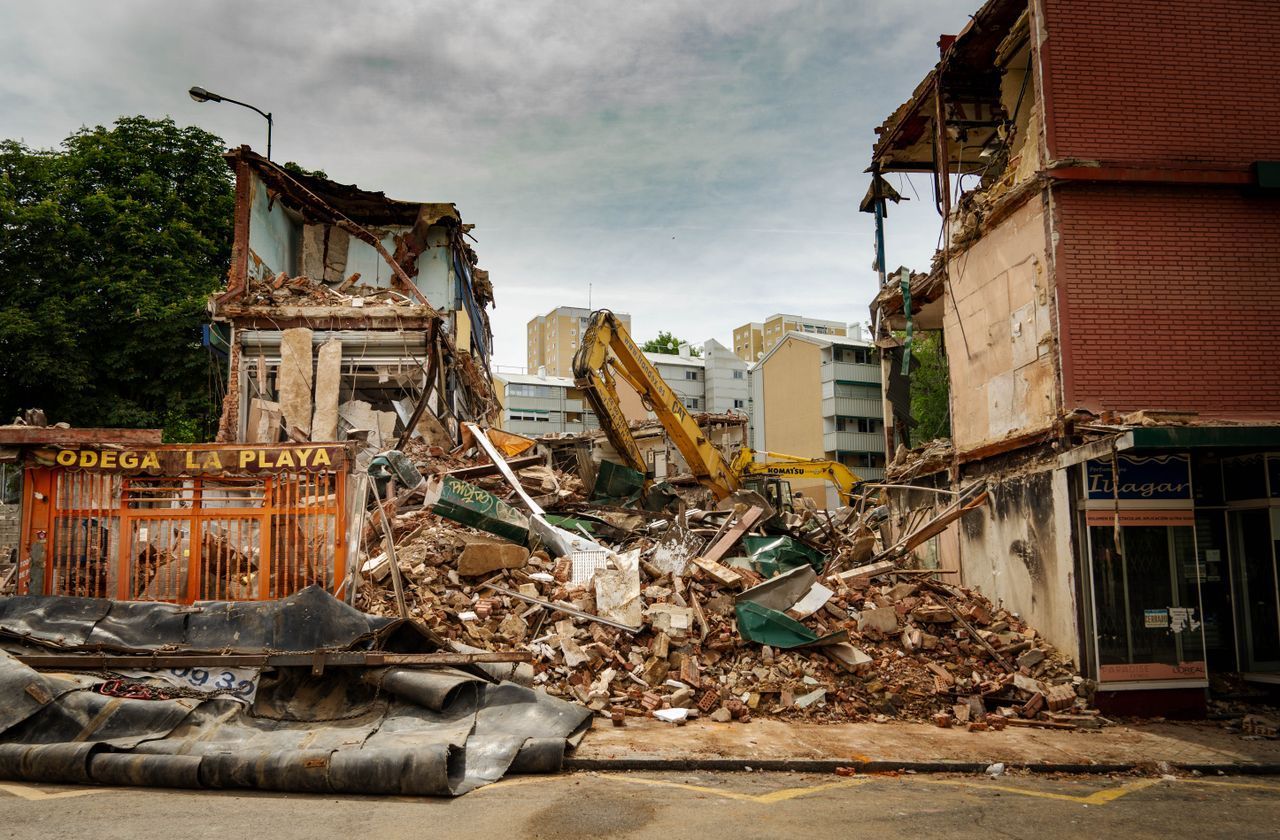
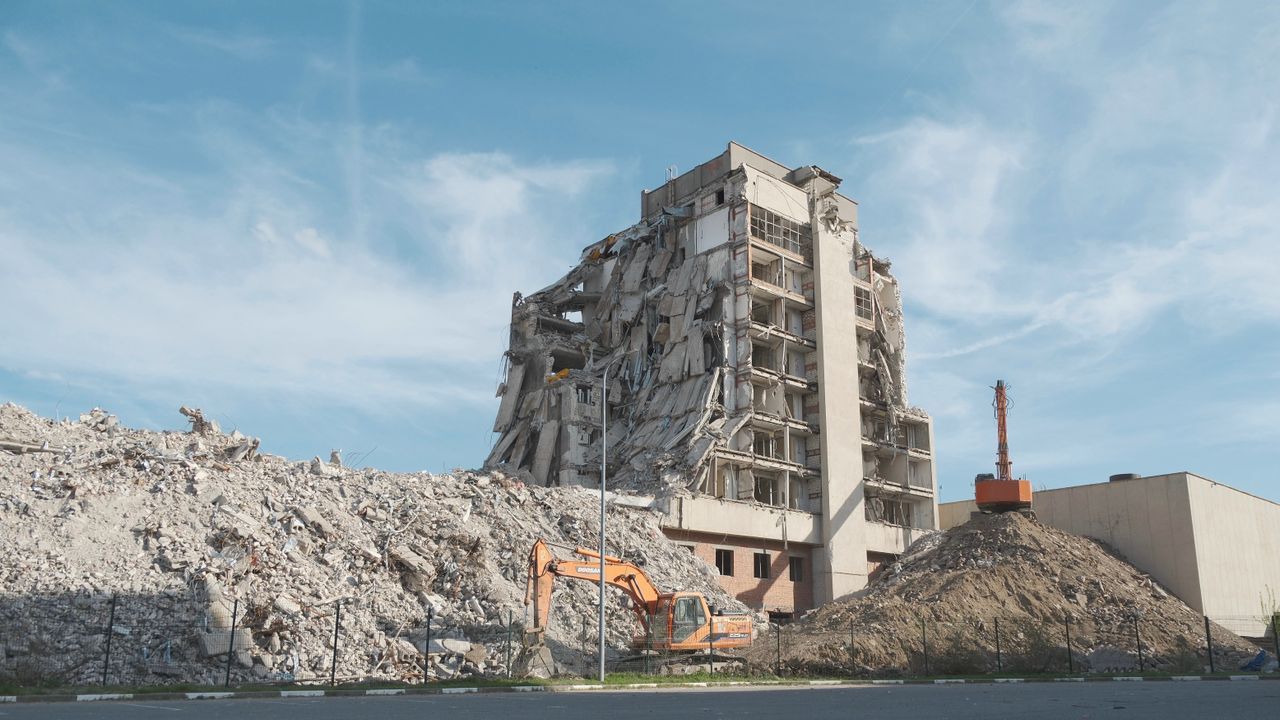
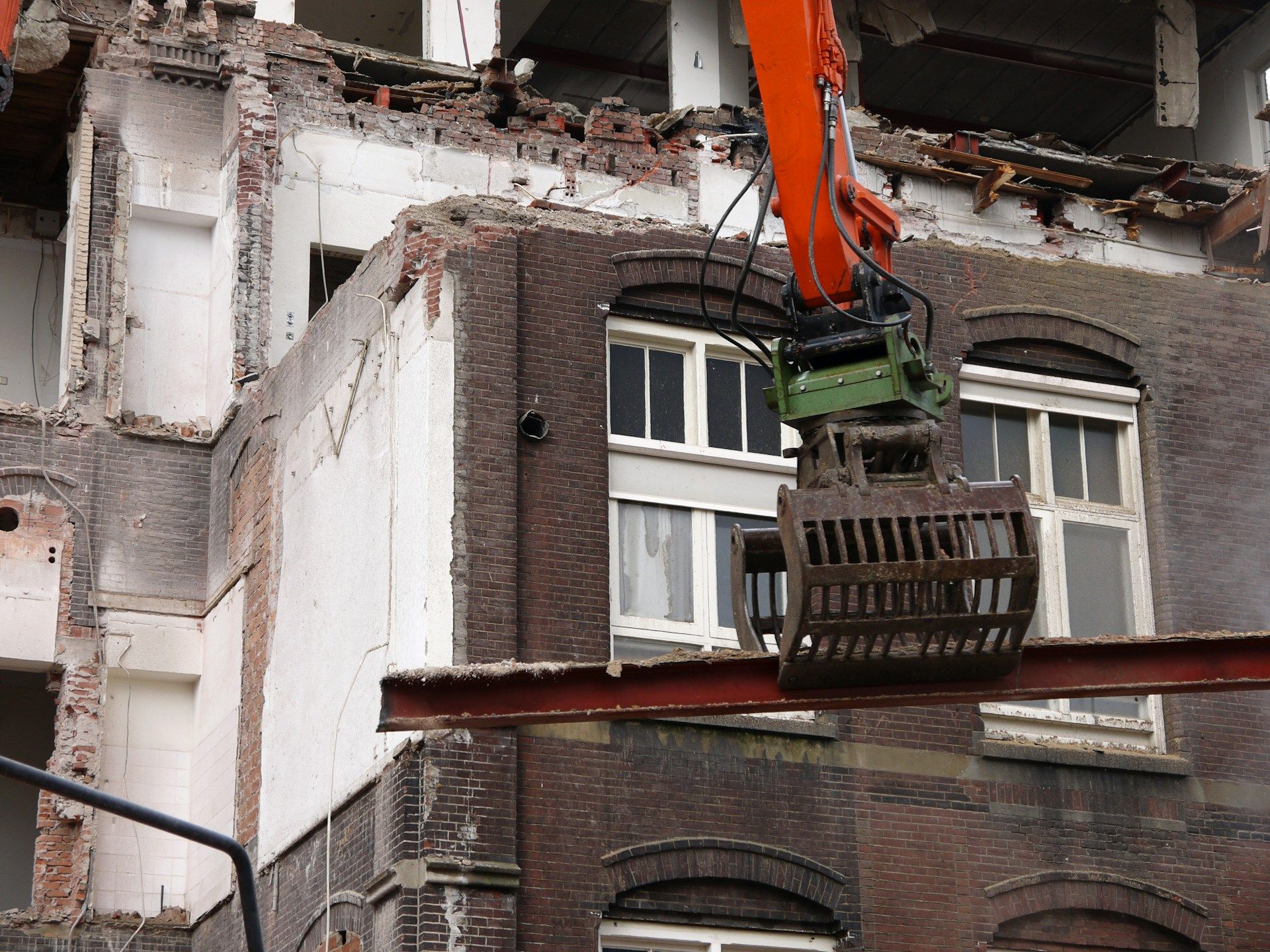
Once the inspections and permits are complete, we can start tearing down the burned structure. This part needs a lot of control, especially since fire often weakens areas that might look okay from the outside.
Winter adds more pressure. Cold ground affects footing and machine grip, and shorter daylight hours mean everything must run on a tight plan. We use heavier gear in winter and adjust schedules when icy roads limit movement. Our crews wear layers of protective gear and keep warm-up routines for tools and vehicles.
The fire damaged house demolition process usually works like this:
• Start with the least stable areas before working inward.
• Keep dust and embers down using approved water spray or covers.
• Use fencing and signs to protect sidewalks and block off work areas.
Safety always matters, but when buildings sit close together like they do in many Kansas City neighborhoods, it becomes even more important. We keep neighbors in mind while managing debris and reducing mess.
Cleaning Up Debris Without Causing New Problems
Demolition creates a big mess, but a fire adds another layer. Burned materials can include dangerous waste, and some types of debris aren't allowed in regular dumpsters or standard landfills. That’s why cleanup has its own game plan.
We sort out materials into a few groups:
• Brick, metal, or concrete that can be recycled
• Ash, insulation, or drywall that needs special disposal
• Burned furniture or contents that could contain chemicals
Crews use tarps and tarped trucks to stop particles from drifting into other yards or clogging drains. That keeps nearby homes safe and prevents mess from spreading. It’s not just what we remove, it’s how we remove it that makes the space safer in the end.
As part of our fire damaged demolition services, T-Mac Environmental handles debris management and provides recycling options where possible according to Kansas City standards. Our approach supports sustainability while protecting health and minimizing impact on surrounding homes.
Why Winter Planning Means Fewer Spring Delays
December might not feel like the perfect month to start big outdoor work, but it can actually be the smartest time to get going. Clearing a damaged home now means the site is ready when spring arrives, without having to wait for scheduling or approval backlogs.
In Kansas City, colder months slow down construction, but they leave room for demolition. When we finish site clearing early in the season, it helps:
• Free up crews and contractors ahead of the busy spring building rush
• Give property owners more daylight hours later for rebuilding or resale
• Avoid weather changes that can freeze ground and make jobs take longer
By planning demolition in winter, we’re not stuck racing the thaw. That head start makes everything smoother later.
Clearing the Way for a Safer Neighborhood
A fire can change a neighborhood in just one night, but a safe and steady cleanup can help bring things back. Removing a damaged house the right way sets the stage for a better space, whether it’s getting ready for a new build or just making the lot safe again.
Our work doesn’t begin and end with machines. It starts with thinking ahead and keeping people safe, and it ends with open ground, clean lines, and fewer risks.
Every smart step now makes a real difference later, and it gives Kansas City neighborhoods one less hazard to worry about as the new year begins.
Storm season cleanup or fire aftermath is clearer when you understand each step of the process. Our team focuses on safety and local compliance, from permits to debris removal, to protect your property and the surrounding Kansas City neighborhood. We take on projects of all sizes, and jobs like
fire damaged house demolition demand specialized planning in areas where homes are close together. Winter preparation can set you up for a smoother recovery in spring. Let T-Mac Environmental help you take the next step, contact us today.