Horror Stories: 5 Demolition Mistakes That Will Haunt Your Project
Demolition can feel simple from the outside—but in reality, it’s one of the most heavily regulated and technically demanding steps in construction. In Kansas City, we’ve seen what happens when property owners or inexperienced crews cut corners: projects stall, costs skyrocket, and safety gets put at risk.
At T-Mac Environmental, we’ve built a reputation for guiding projects safely through Kansas City’s demolition regulations and Missouri safety standards. Below are five of the most common demolition mistakes we encounter—and how our team helps clients avoid them.
Mistake #1: Ignoring Structural Risks & Incomplete Inspections
We’ve seen local projects grind to a halt when walls or supports were removed without a proper structural survey. In one Kansas City case, a contractor underestimated the load-bearing walls of an older commercial building, leading to dangerous structural shifts and weeks of delay.
T-Mac Environmental’s Advantage:
Our experts conduct thorough pre-demolition structural assessments. We coordinate with engineers and city inspectors to ensure every load-bearing element is accounted for before work begins.
Mistake #2: Skipping Permits & Local Regulations
Kansas City does not take shortcuts lightly. We’ve witnessed property owners receive stop-work orders and hefty fines for moving forward without full demolition permits or utility disconnect approvals.
T-Mac Environmental’s Advantage:
We handle permit applications from start to finish, working directly with Kansas City’s Neighborhood & Housing Services department to ensure projects stay compliant and on schedule.
Mistake #3: Poor Waste Disposal & Cleanup
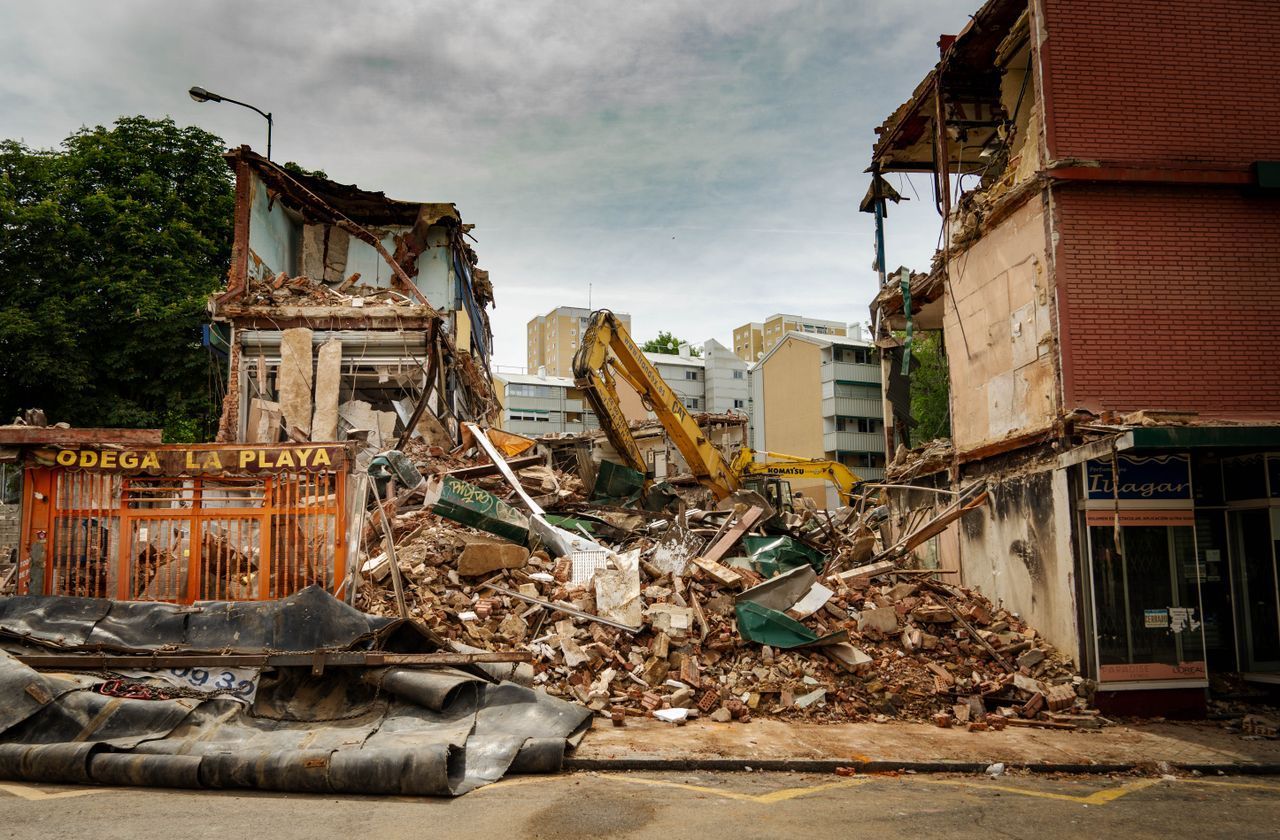
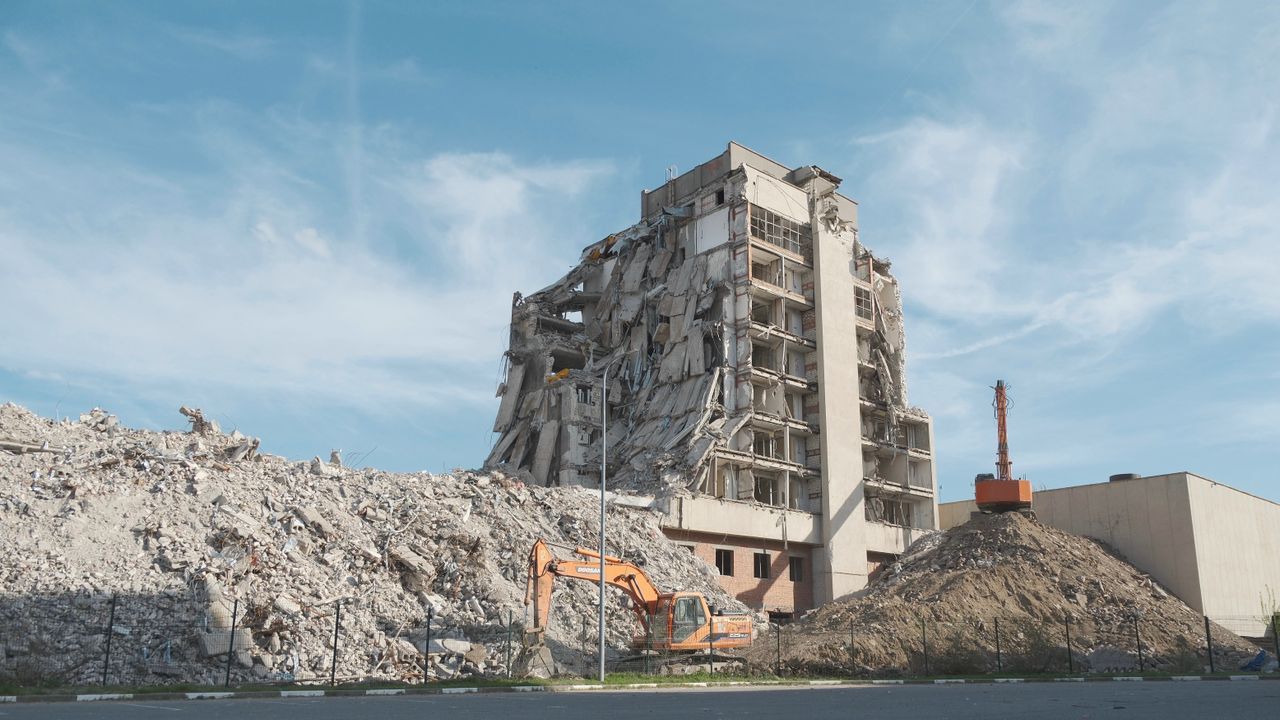
Improper debris handling leads to higher costs, environmental violations, and sometimes even public complaints. We’ve seen projects in KC stalled because concrete piles and unsafe disposal practices triggered city intervention.
T-Mac Environmental’s Advantage:
We plan waste management from the outset—recycling concrete and metals, securing approved disposal for hazardous materials, and leaving sites clean and ready for the next phase.
Mistake #4: Wrong Methods or Untrained Crews
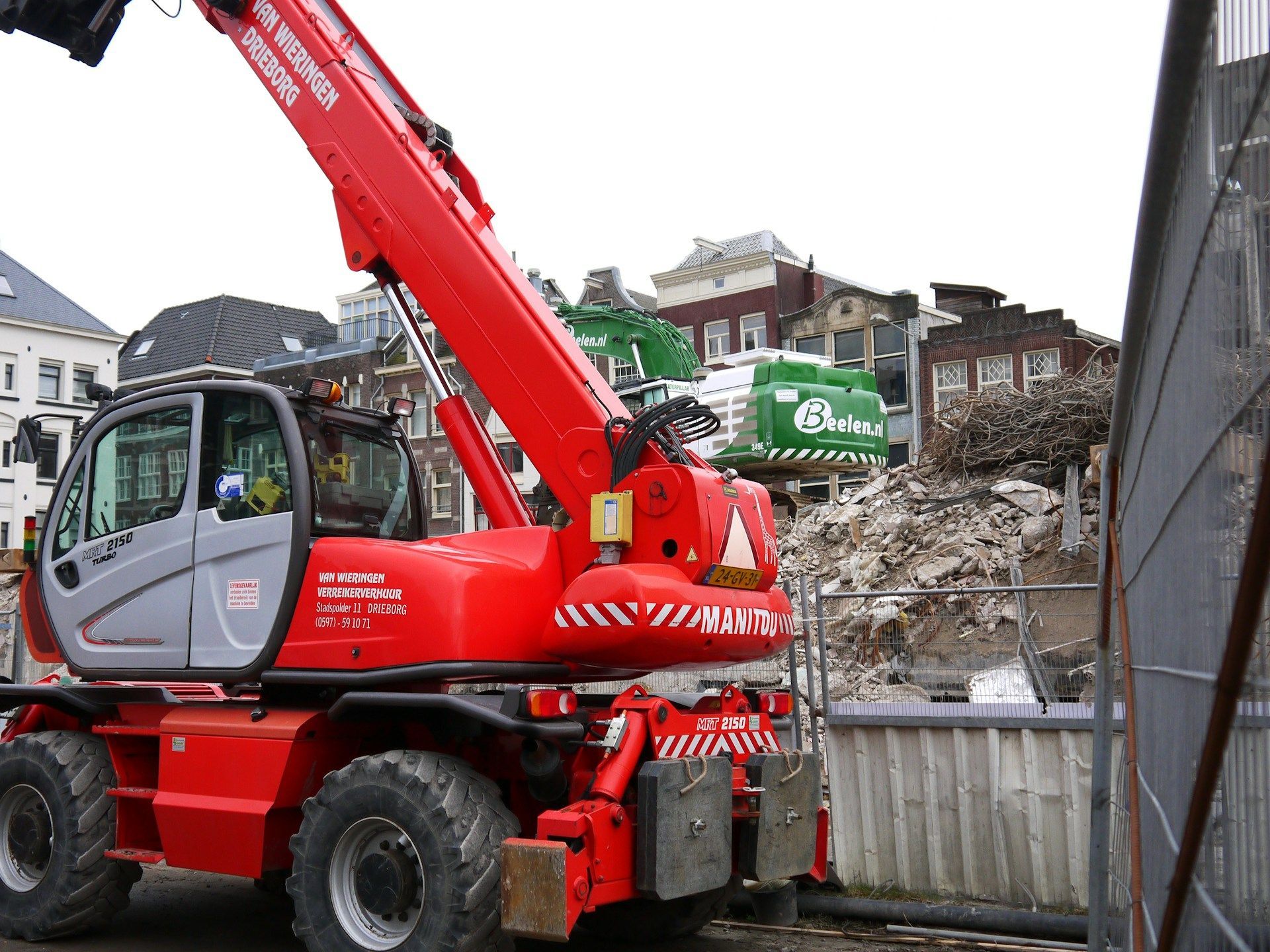
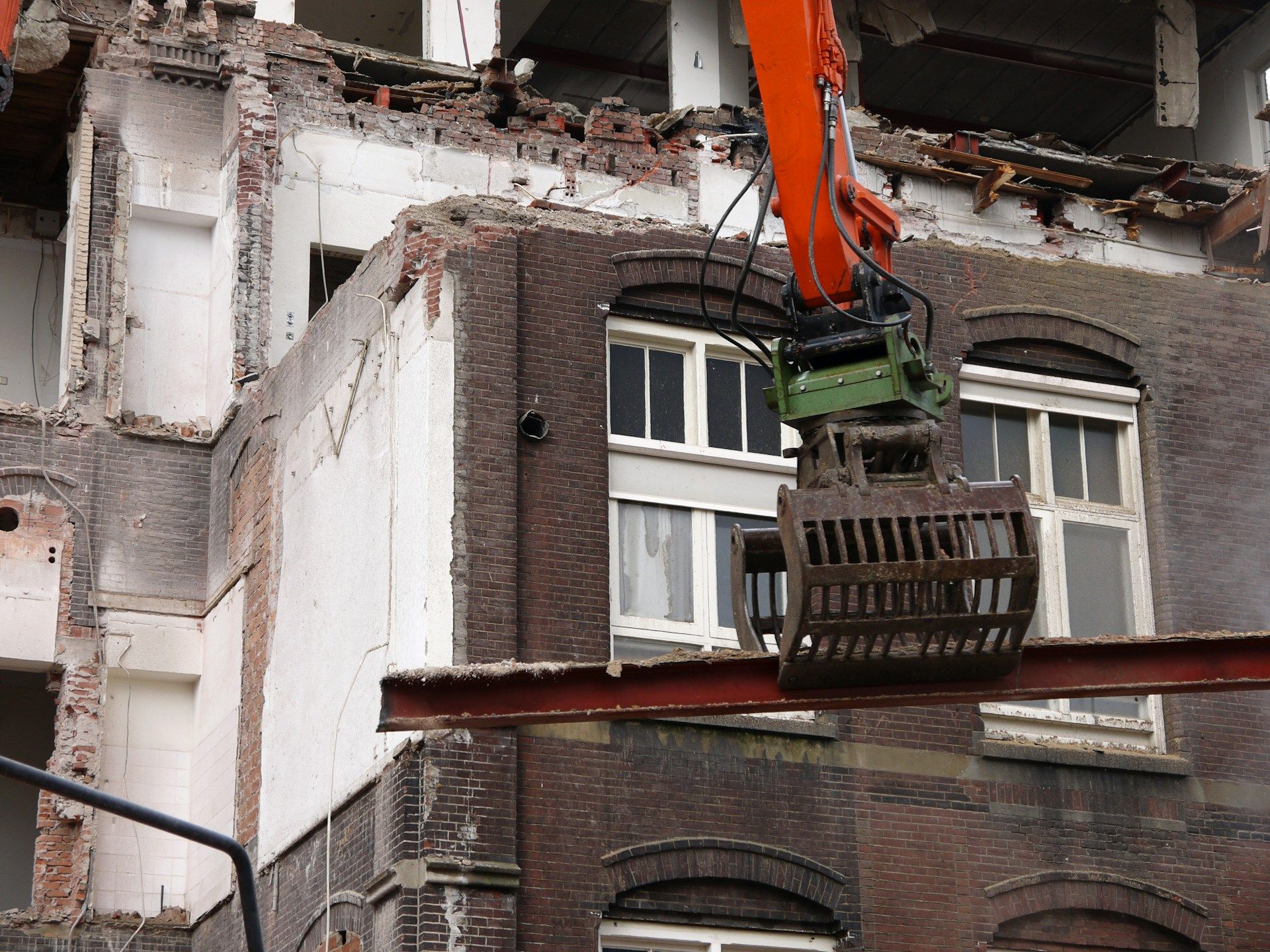
Choosing the wrong demolition method or working with inexperienced crews often results in damage to nearby utilities and costly repairs. Kansas City projects have been delayed when unqualified contractors mishandled equipment.
T-Mac Environmental’s Advantage:
Our team is fully trained and licensed in mechanical, selective, and structural demolition. We match the right method to the building type and protect surrounding utilities and properties.
Mistake #5: Neglecting Safety Measures
In Kansas City, we’ve seen projects cited because of falling debris outside barriers or lack of dust control. Besides fines, this damages reputations and endangers workers.
T-Mac Environmental’s Advantage:
We uphold Missouri safety standards with strict site controls, PPE for every crew member, dust suppression systems, and ongoing inspections to protect both workers and the community.
Real Local Example: Kansas City’s Dangerous Buildings Program
Kansas City’s
Dangerous Buildings and Demolitions list is proof of what happens when safety and compliance are ignored. If owners neglect unsafe structures, the city steps in to demolish and bill them. These cases underline the importance of working with licensed professionals like
T-Mac Environmental, who keep projects compliant and safe from start to finish.
FAQ (Powered by T-Mac Expertise)
Q: What should I ask a demolition contractor in Kansas City?
T-Mac recommends asking about licensing, insurance, permit handling, safety plans, and prior KC project experience.
Q: How much extra time should I allow for permits and inspections?
Our team advises budgeting an extra 2–4 weeks depending on the project size and city review timelines.
Q: Can selective demolition save money?
Yes. T-Mac Environmental often uses selective demolition to recycle materials and reduce disposal costs.
The T-Mac Bottom Line
When it comes to demolition in Kansas City, experience matters. Horror stories happen when property owners cut corners or hire the wrong crew. At T-Mac Environmental, we deliver safe, efficient, and fully compliant demolition services backed by decades of local expertise. Don’t let costly mistakes haunt your project—partner with the professionals who know Kansas City inside and out.