Questioning Your Pool? When Removal Beats a Costly Repair
Wondering if Your Pool Is Worth Saving This Summer
An aging backyard pool can go from summer highlight to constant headache very fast. One day you are thinking about floaties and cookouts, and the next you are looking at repair quotes, code issues, or cloudy water that never seems right. It can make you stop and ask a hard question: is this pool still worth it?
Many Kansas City homeowners face the same problems. Costs keep creeping up, equipment does not work like it used to, and the pool feels more stressful than fun. In this article, we will walk through when it makes more sense, financially and practically, to remove a pool instead of fixing it again. As a local demolition and site preparation contractor, we help people weigh those choices and plan for what comes next in their yards.
The Hidden Costs of Keeping an Aging Pool
At first, the ongoing costs can be easy to shrug off. Then one season turns into many, and the pool starts to feel like a never-ending project.
Typical yearly expenses often include things like:
- Chemicals and test kits
- Routine cleaning or service visits
- Opening and closing for the season
- Repairs to pumps, filters, and heaters
- Surprise visits when something breaks
Older concrete and vinyl pools tend to need more attention. Small cracks in the shell or deck become bigger problems. Plumbing lines can start to leak. Pumps, filters, and heaters reach the end of their life at the same time. As more pool contractors raise rates due to higher material and labor costs, each repair hits a little harder.
Utility bills can also tell a story. A pool constantly circulates and sometimes heats a large volume of water. That means more electricity use for pumps and equipment, and more water to replace what is lost from evaporation or hidden leaks. On top of that, some insurance companies may look at older pools as higher risk, especially if fencing or other safety features are not up to current standards.
There is also the way a pool fits your life and your future plans. Some buyers see a pool as a plus, but many see it as a chore. Families with small children or pets may worry about open water. An unused, stained, or cracked pool can actually turn people off more than a clear, open yard would. If you barely use the pool yourself, those costs and worries can start to feel out of balance.
When Pool Removal Makes More Sense Than Repair
There is a point where patching things up no longer feels smart. Certain warning signs almost always mean big work ahead.
Watch for issues like:
- Severe cracking or heaving in the shell or deck
- A pool that will not hold water without constant refilling
- Repeated leak detection that never fully solves the problem
- Sagging, shifting, or signs of soil movement around the pool
Older electrical systems, lights, or diving boards may also fall short of newer safety guidelines. Upgrading that equipment to current code can require more work than some homeowners expect. In our freeze and thaw climate, each winter can make existing cracks worse, which leads to more structural problems over time.
There is also a financial tipping point. If you are facing a large repair now and can see more coming in the next few years, it may be smarter to compare that path to a one-time pool removal. Past money spent on the pool is already gone, and it does not need to control what you do next. Freeing yourself from ongoing pool costs can open the door to other improvements, like a new patio, garden areas, or an addition that fits how you live now.
Life changes too. Kids grow up and move out. Work and schedules shift. Some people simply want a quieter, easier outdoor space. For those planning to stay in their home as they age, less concrete to crack, fewer tripping edges, and fewer slippery surfaces can all feel safer. If you know you would like to sell in a few years, taking care of pool removal now gives the ground time to settle and lets new landscaping fill in before you list.
What Really Happens During Professional Pool Removal
Many homeowners are nervous because they are not sure what pool removal actually looks like. It is a bigger project than most backyard jobs, but with the right plan, it can go smoothly.
We usually start with a site visit to look at:
- Pool type, such as concrete, fiberglass, or vinyl
- Access points for equipment and trucks
- Nearby patios, sheds, fences, and trees
- Known utilities and any lines that may cross the area
Each city around Kansas City has its own permit rules and inspection steps, and those details matter. Proper documentation can be important later when you sell or when you want to build something new where the pool used to be. During planning, homeowners also decide between partial removal and full removal. Partial removal leaves some structure in place, while full removal takes out the entire shell. The option you choose can affect what future projects are allowed on that spot.
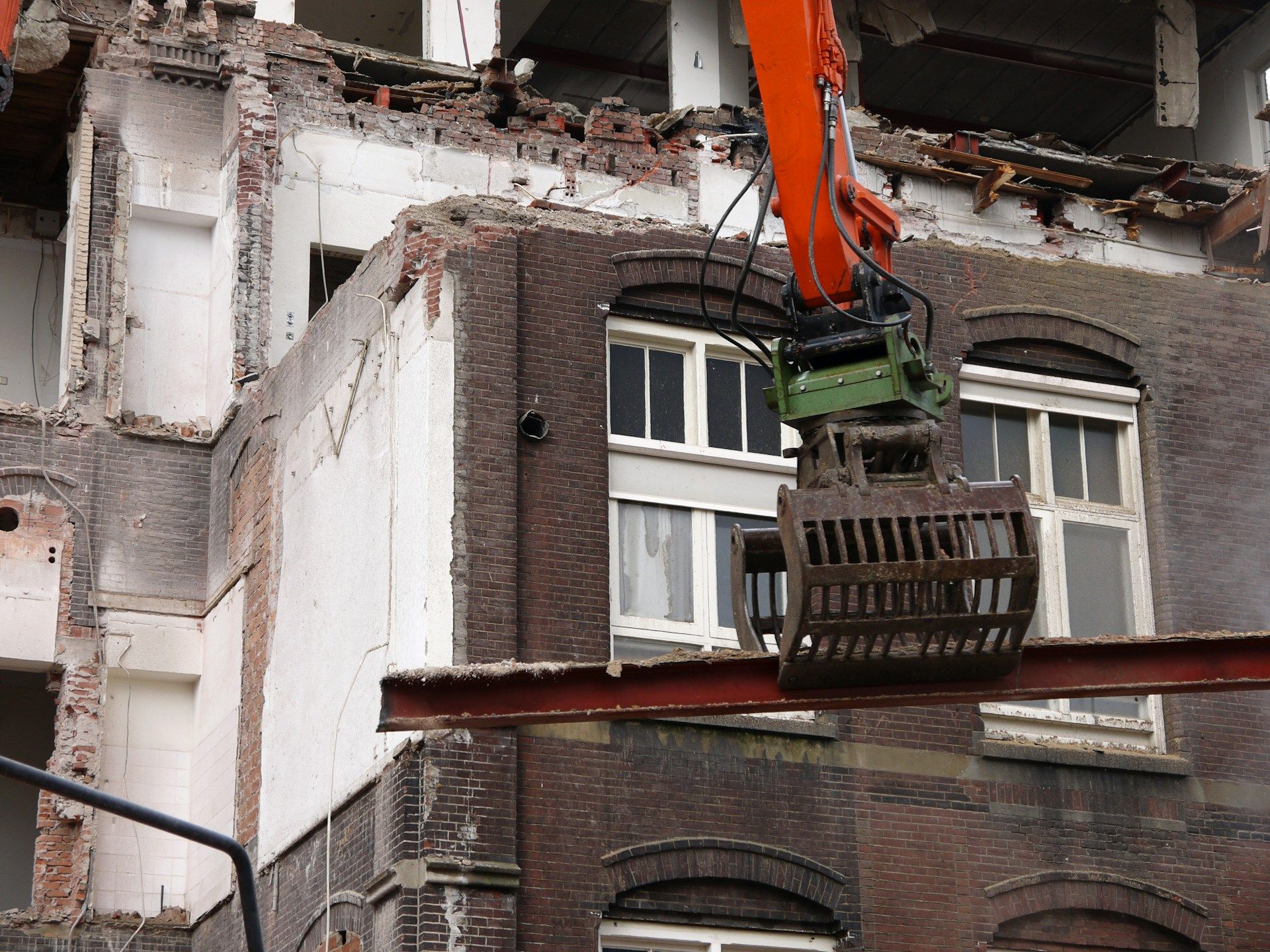
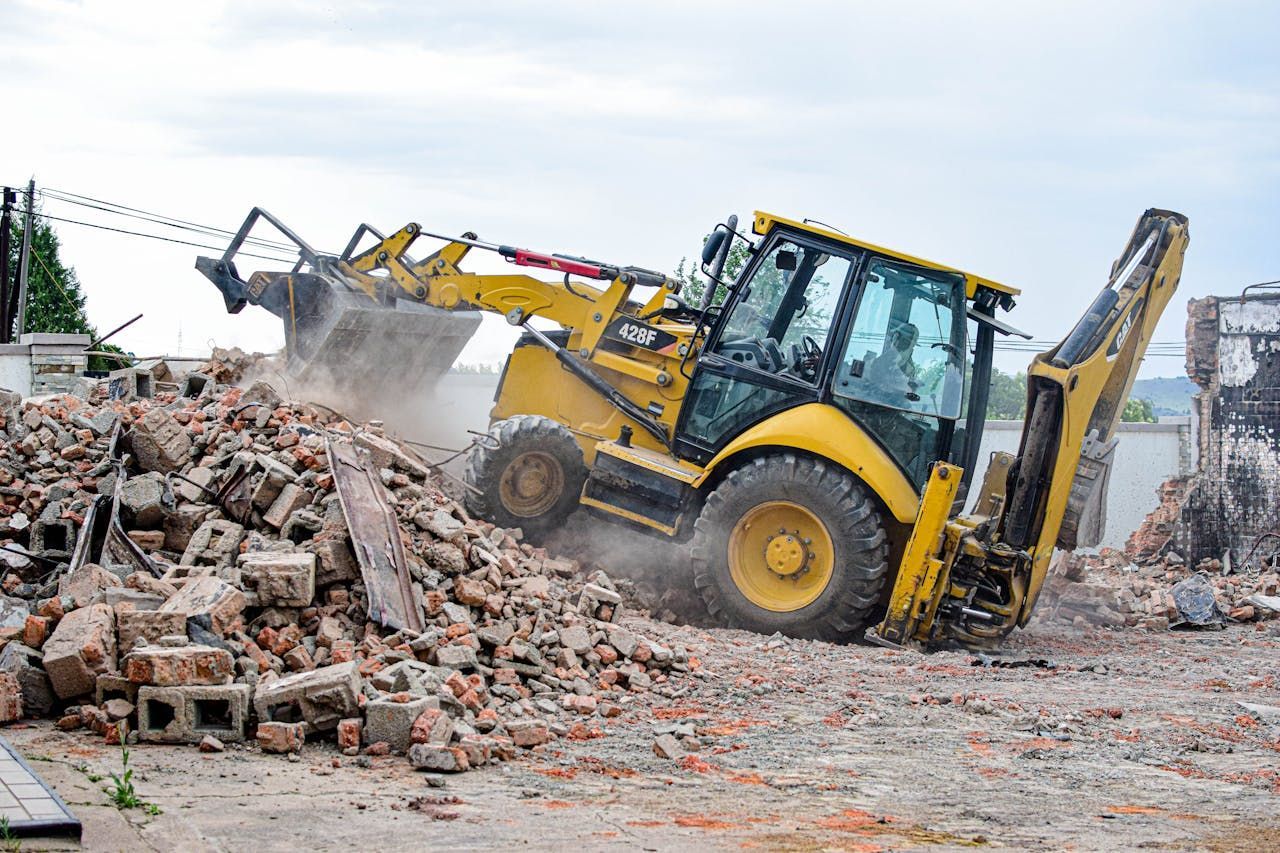
Once work begins, the pool is drained in a controlled way, so water does not cause problems for neighbors or storm drains. Then we break up concrete and other materials, keeping an eye on safety for the home and anyone nearby. Concrete, metal, and some other materials can often be separated for recycling, which keeps a lot of debris out of landfills and makes the whole process more responsible.
Backfilling is where long-term results are made. The pool cavity is filled with suitable material in layers, with careful compaction to limit future settling. Proper grading is especially important in our area, since heavy summer rains can create runoff issues if water is not directed away from the house. At the end, you are left with a stable, level area ready for sod, planting, hardscapes, or other plans.
Transforming Your Backyard After Pool Removal in Kansas City
Once the pool is gone, the fun part begins: deciding what you actually want from your backyard. Many homeowners are surprised at how large the space feels when the shell and fencing are no longer there.
Popular ideas for a former pool space include:
- Open lawn for kids or pets
- A simple patio with a fire pit and seating
- Garden beds or raised planters
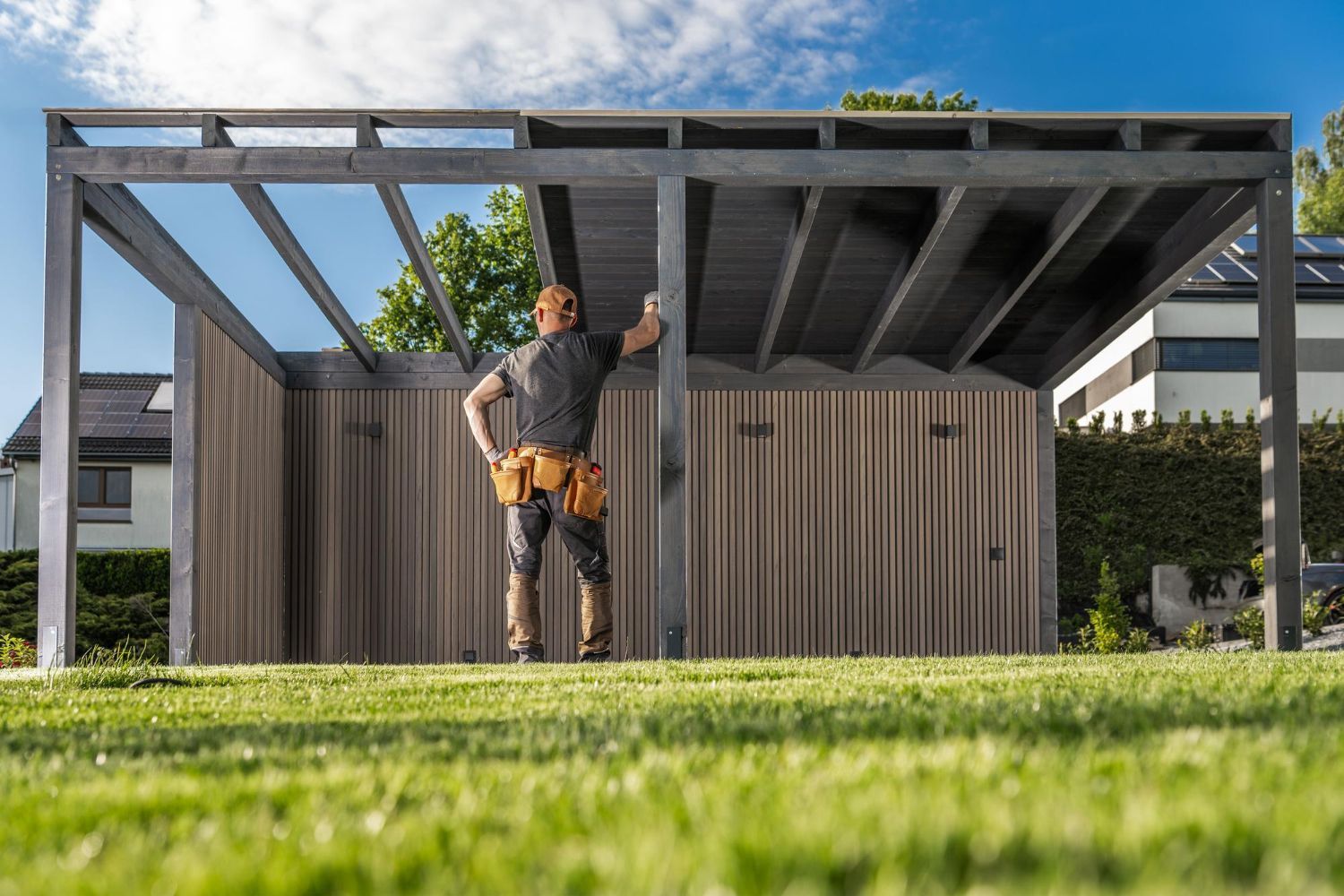
- Shade structures like pergolas with outdoor seating
Kansas City summers can be hot, so shade trees, lightweight pergolas, and native plants that handle heat and changing seasons well can make the yard easier to enjoy. Removing the visual barrier of a pool and tall fencing can improve sight lines, make the yard feel bigger, and bring more natural light into the back of the house.
Daily life usually gets simpler as well. No more skimming, shocking, or storing chemicals. Fewer bugs gathering around standing water. Snow removal and mowing tend to be more straightforward without a pool and extra concrete edges in the way. Many people appreciate having a more pet-friendly and kid-friendly space, where the main concern is a ball rolling into a flower bed, not a child slipping into deep water.
Over time, a well-graded, nicely planted yard appeals to a wider range of buyers than a worn pool. Having clear records from a reputable contractor that show how the pool was removed and how the ground was filled can also help future buyers feel confident about building or landscaping on that spot. When former pool funds are put into thoughtful landscaping or energy-saving home updates, they can support both daily comfort and overall resale value.
Ready to Rethink Your Pool?
If you are staring at repair quotes, worrying about safety issues, or just not using your pool the way you used to, it may be time to step back and look at the big picture. Think about how often the pool actually gets used, how much attention it demands, and what you wish your backyard could be instead.
At T-Mac Environmental, we help Kansas City homeowners work through those questions every day. Our team focuses on safe demolition, responsible debris handling, and careful site preparation, so your old pool can turn into a solid base for whatever comes next in your yard.
Get Started With Your Project Today
If you are ready to reclaim your yard and safely remove an unused pool, our team at T-Mac Environmental is here to help. Learn how our pool removal in Kansas City service can fit your timeline, budget, and long-term property plans. Reach out today and let us walk you through each step, from permitting to backfilling and final grading. Have questions or need a quote right away? Simply contact us to get started.