Choosing a Local Demolition Company for Tight Urban Sites
Why Tight Urban Sites Need a Local Demolition Expert
Tight urban demolition is not just about knocking down walls. On a busy Kansas City street, every move affects nearby shops, traffic, and people walking by. When access is limited and the schedule is tight, the demolition phase can make or break the whole project.
Urban jobs need careful planning, clear communication, and a team that knows how the city actually works day to day. In this article, we will walk through why tight sites are different, why a local demolition company is such a smart choice, and how to tell if a contractor is truly ready for your project.
Understanding the Challenges of Urban Demolition
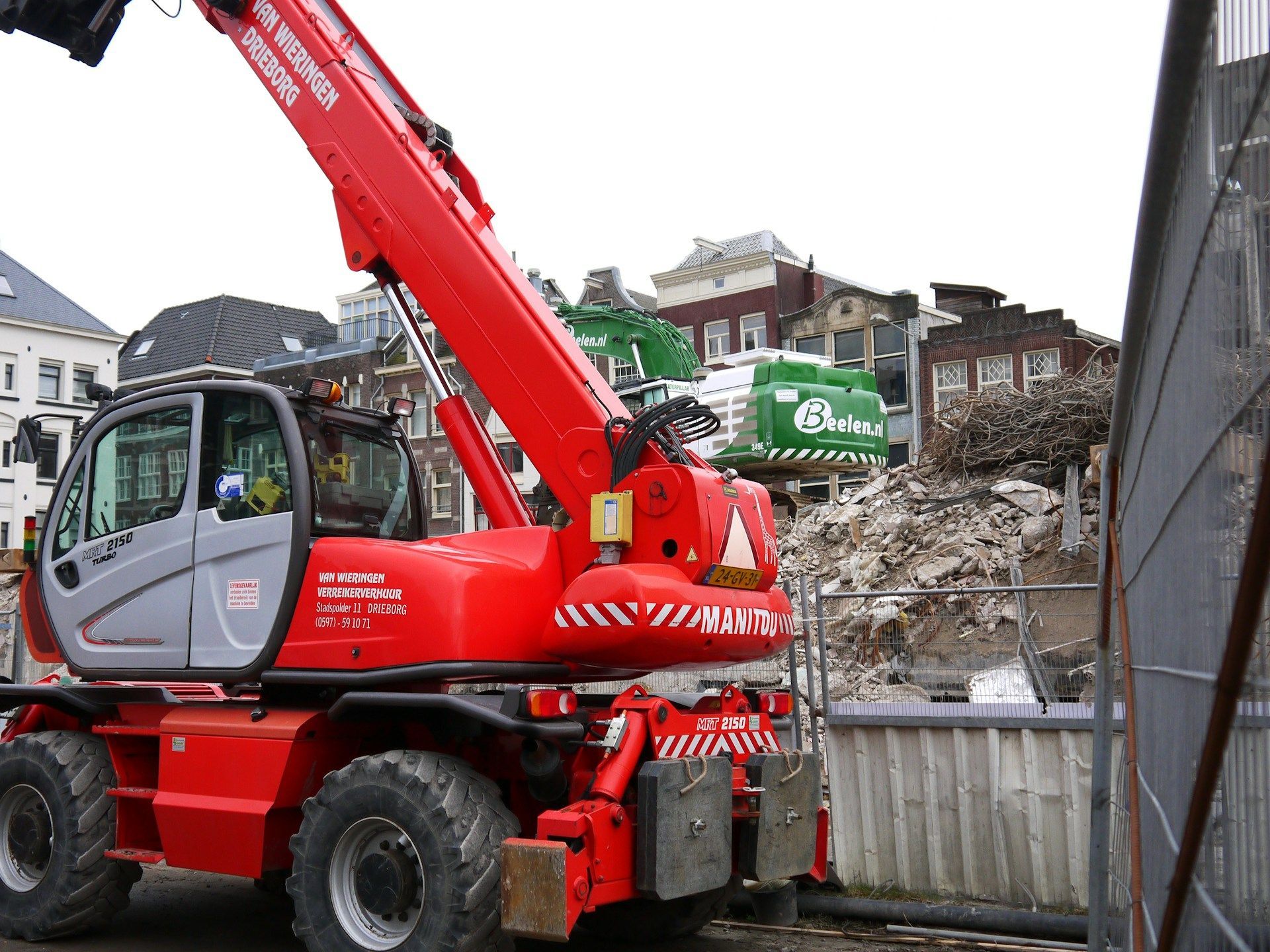
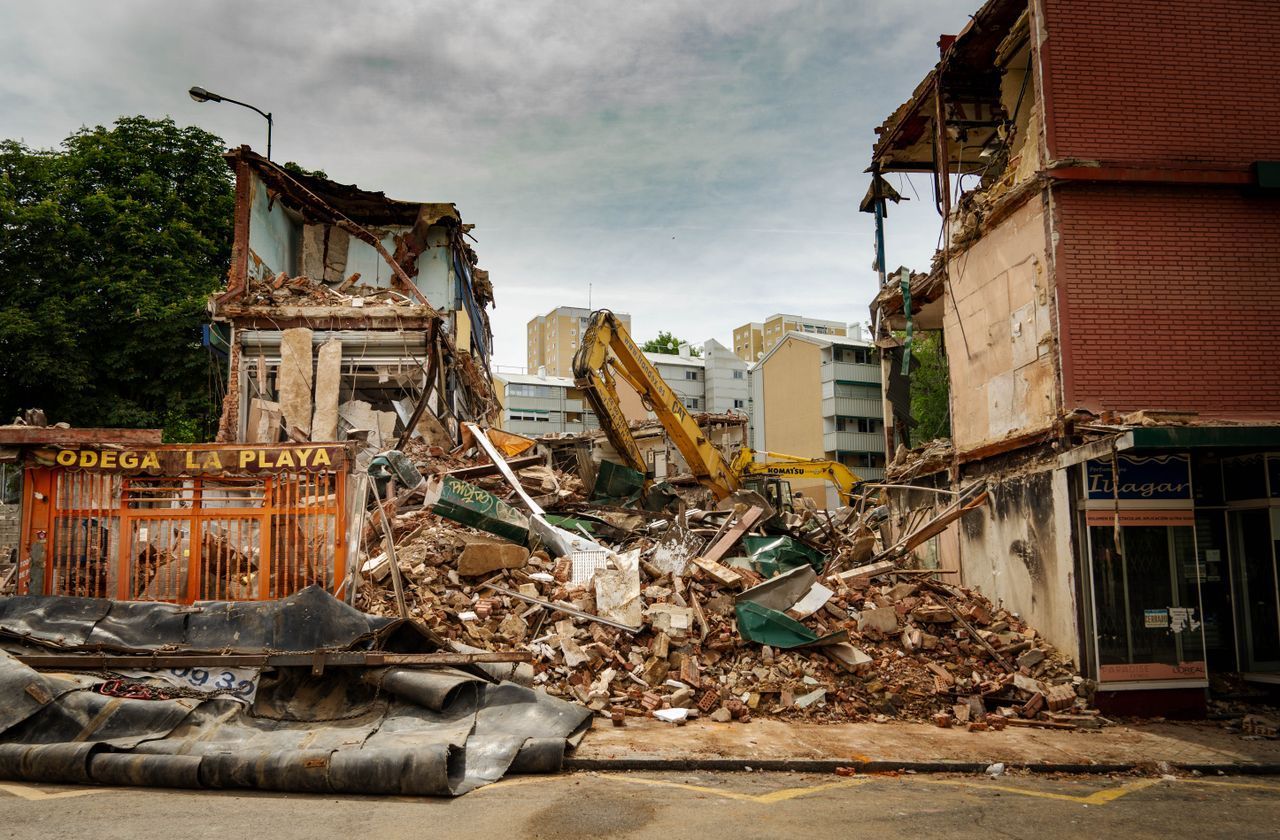
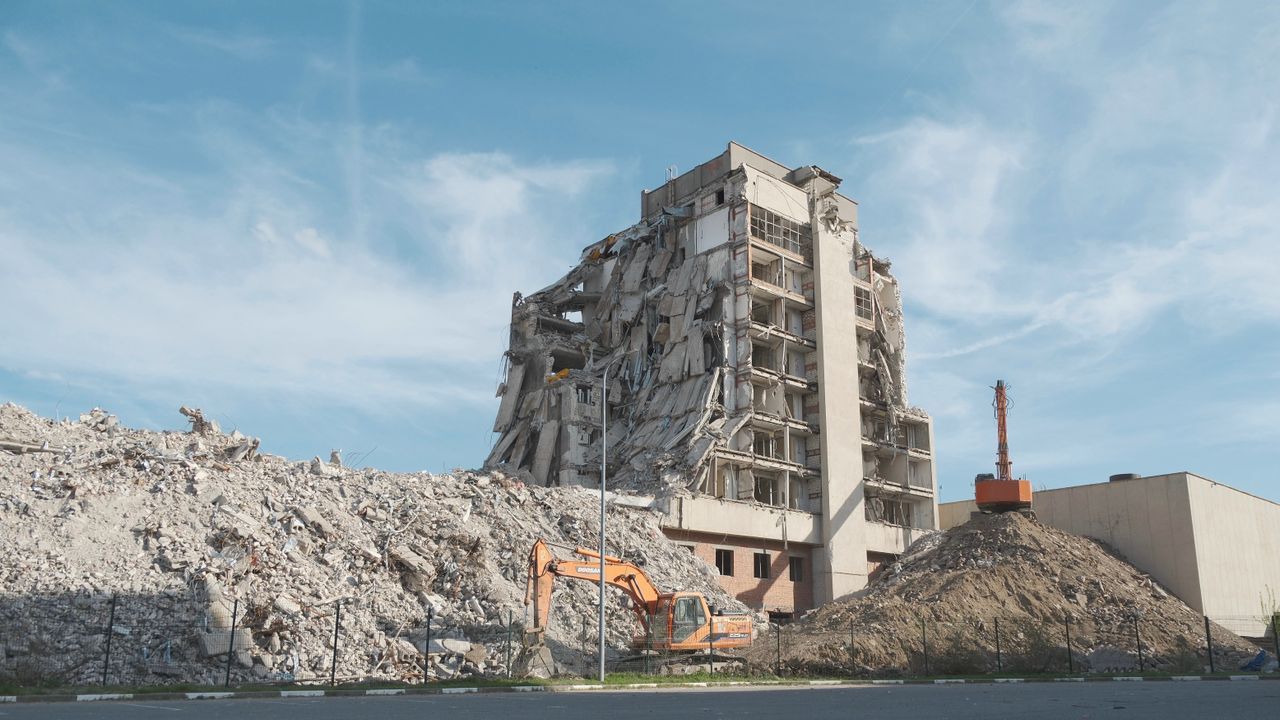
Working in a crowded part of town is very different from taking down a building on open land. Buildings often share walls or sit only a few feet from each other. Many of those nearby structures are older and sensitive to vibration or impact.
On tight urban sites, we have to think about:
- Shared walls and foundations that need support
- Aging brick, stone, or wood next door
- Fragile windows and finishes that can crack or shift
Space is another big challenge. In downtown areas or inner-city neighborhoods, there may be:
- Alley-only access for equipment
- Small lots with no room for staging or stockpiling debris
- One-way streets that limit truck routes
All this is happening while the city keeps moving around the site. We have to plan around:
- Traffic patterns and turn lanes
- On-street parking and loading zones
- Pedestrian crosswalks and sidewalk use
- Noise rules and working hours
- Nearby businesses that need to stay open and safe
Urban demolition becomes a careful dance. Every load hauled out and every piece removed must be thought through so the project moves forward without putting people, property, or the schedule at risk.
Why a Local Demolition Company Is Your Safest Choice
On paper, many demolition companies can say they handle tight sites. In practice, familiarity with the city makes a big difference in how smooth the job runs. A local demolition company works with the same inspectors, utilities, and disposal sites over and over, and that experience adds up.
Local crews know:
- How Kansas City permitting works for demolition, street use, and temporary closures
- Who to coordinate with for utility shut-offs and verifications
- Seasonal patterns, like when road work or big events can slow access
These relationships help keep timelines realistic and reduce surprises mid-job. When an inspector has a question or a utility needs a little extra information, a local contractor often already understands what is expected and can respond quickly.
There is also the factor of local accountability. A company that is based in the area and plans to stay here long term is tied to its reputation. Word-of-mouth and repeat work from contractors, developers, and property owners push us to protect not just each site, but the trust we build across the city.
Safety and Environmental Responsibility on Tight Sites
On an urban site, safety planning starts long before the first wall comes down. We look carefully at who is nearby and how they move around the area during the day. In some locations, foot traffic can peak during lunch, events, or after work hours, which affects when and how we can safely operate equipment.
A strong safety plan for tight urban demolition usually includes:
- Clear fencing and signage to keep the public out of the danger zones
- Defined equipment paths that avoid blind spots and crowded areas
- Spotters and flaggers for truck movement on narrow streets
- Coordination with neighbors about especially noisy or disruptive tasks
Dust, noise, and debris also need special attention in dense neighborhoods. Good control methods can include:
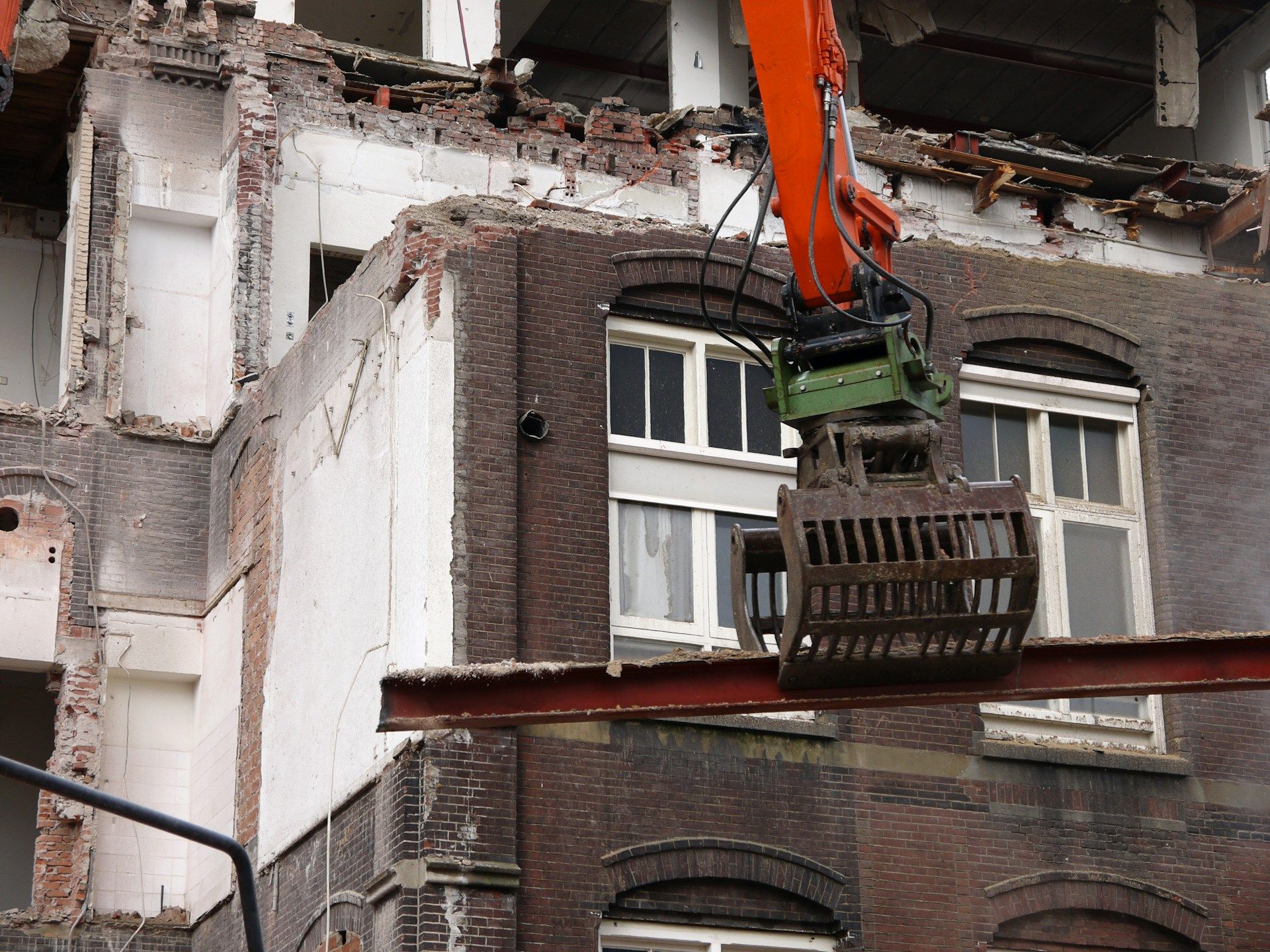
- Phased demolition so the structure comes down in smaller, safer sections
- Water suppression to keep dust from drifting onto sidewalks, cars, and nearby buildings
- Choosing equipment sized for the site so we can work precisely instead of forcing large machines into tight corners
Environmental responsibility is another key part of urban work, especially in older city buildings that may contain hazardous materials. We focus on:
- Sorting materials so concrete, metal, and clean wood can be recycled
- Separating and handling any suspect materials following regulations
- Keeping debris contained on-site to prevent it from spreading to neighbors
These steps protect workers, neighbors, and the long-term health of the area.
Evaluating Urban Demolition Bids Beyond the Price Tag
When bids come in, it can be tempting to look only at the bottom line. But for a tight urban site, the cheapest number is not always the best choice. The details hidden inside the proposal often matter more for safety and schedule.
A strong proposal from a local demolition company should spell out:
- A clear scope of work and what is and is not included
- Planned sequencing of the demolition process
- How debris will be handled, sorted, and removed
- Any allowances or contingencies for common surprises
Before signing, it helps to ask each contractor:
- What size crew will be assigned to the project?
- What equipment will be used, and is it suited for tight access?
- What is the projected timeline, and what could change it?
- How do they respond if they uncover hidden tanks, structural issues, or unknown materials?
You will also want to confirm insurance, licensing, and experience with similar Kansas City projects. Proper coverage and a proven track record in urban settings can offer more protection and peace of mind than a small cost savings up front.
How T-Mac Environmental Prepares Tight Urban Sites for Success
At T-Mac Environmental, we focus on demolition, site preparation, and debris removal with safety and environmental care at the center of everything we do. For tight urban sites in and around Kansas City, we follow a structured process so the work is organized and predictable.
A typical project often includes steps like:
- Initial site assessment to understand access, neighbors, and structural conditions
- Planning and coordination for permitting, utilities, and any needed protections for nearby structures
- Communication with nearby property owners or tenants so they know what to expect
Once work begins, we tailor our approach to the site. On small lots and busy streets, that might mean:
- Phased demolition so parts of the structure come down while others are still providing support
- Staged debris removal with smaller, more frequent hauls to avoid crowding the street
- Adjusted work windows to reduce impact on nearby businesses and daily traffic
For summer construction schedules, when many projects are trying to move forward at the same time, proactive planning is especially helpful. Lining up demolition, site prep, and debris removal early makes it easier for your renovation or new build to start on time and stay on track.
By choosing a local demolition company that understands Kansas City conditions, you are investing in a safer, cleaner site and a smoother path to whatever comes next on your property.
Get Started With Your Project Today
If you are ready to clear the way for your next build, we are here to help every step of the way. At T-Mac Environmental, you can count on
a local demolition company that understands your schedule, budget, and safety requirements. Tell us about your project, and we will walk you through the best options and a realistic timeline. Have questions or need a quote quickly? Just
contact us and our team will respond promptly.