When Partial Building Demolition Protects Your Investment
Protect Your Property with Smart Selective Demolition
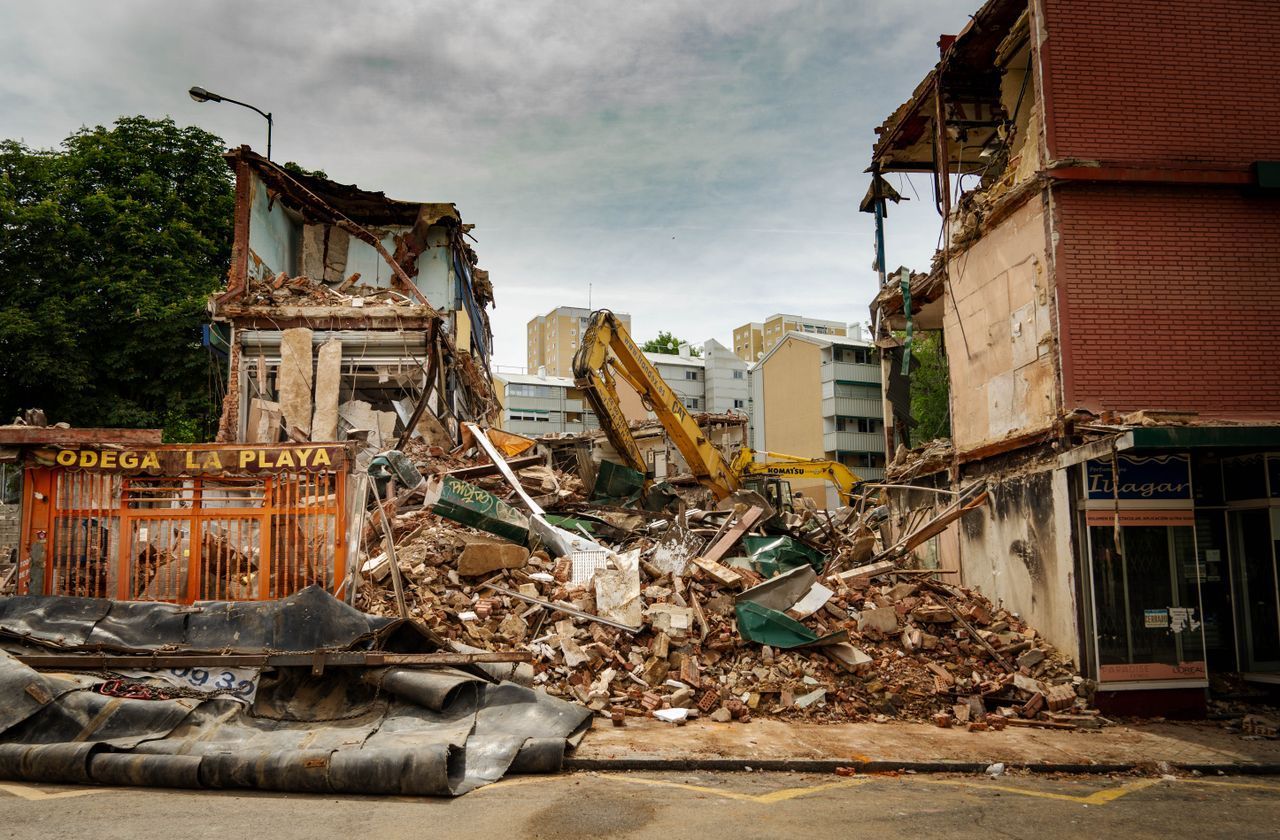
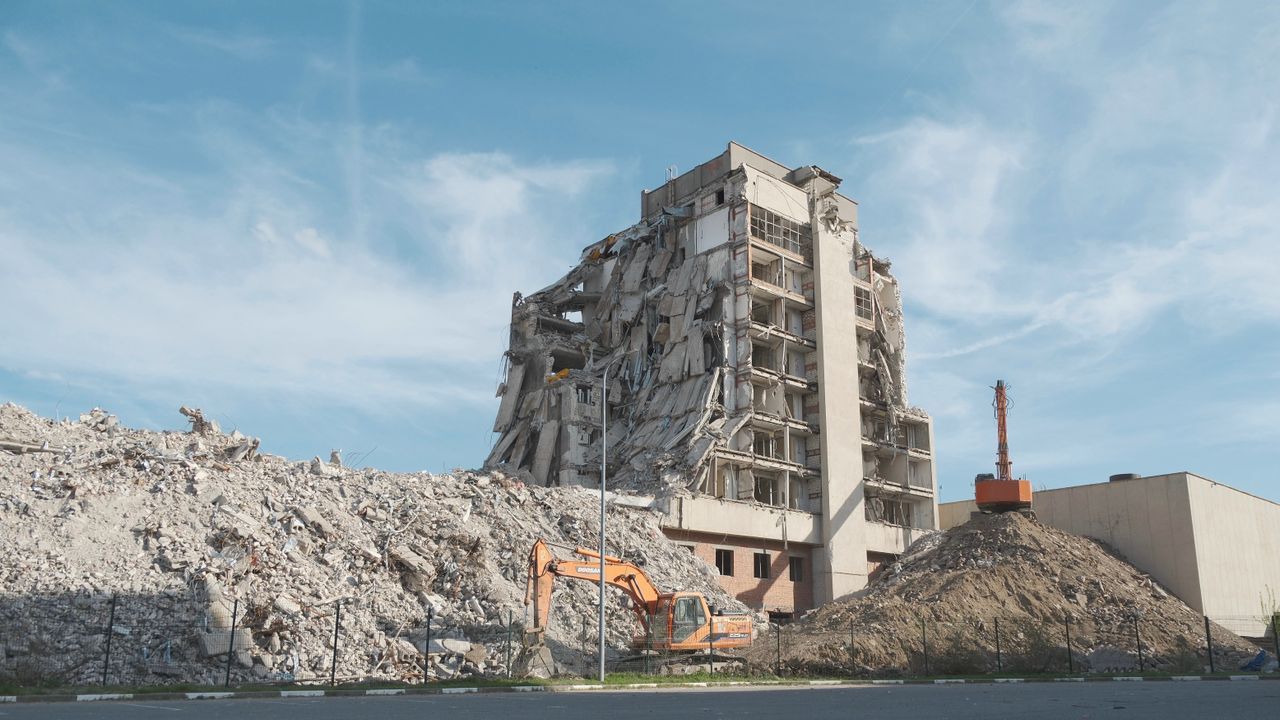
Partial building demolition is a careful way to take down only the sections of a structure that no longer serve you. Instead of tearing everything to the ground, we remove targeted areas and protect the parts that are still strong and useful. It is controlled, planned, and focused on what should stay just as much as what should go.
This approach can protect the value of your property, cut down on disruption, and help control overall project costs. For many Kansas City property owners dealing with aging buildings, storm damage, or new code requirements, selective demolition often makes more sense than a full teardown. At T-Mac Environmental, we focus on safe, responsible demolition that supports long-term property plans and respects the surrounding community.
When Partial Building Demolition Makes the Most Sense
Partial building demolition is a smart choice when only certain parts of your property are causing trouble while the rest is still sound.
Common situations include:
- One wing, floor, or facade is failing while the main structure is stable
- Storm, fire, or water damage that hits only one side or level of the building
- Additions that were tacked on years ago and now create leaks or safety issues
In these cases, removing only the unsafe or failing sections can stabilize the property without throwing away the solid structure you already paid for. It lets you correct serious problems while keeping as much of the original building as possible.
Many businesses also use partial demolition to modernize while they stay open. For example, a retail center may need a new storefront or layout but cannot shut down all tenants at once. With a phased plan, we can:
- Work on one area at a time
- Keep other zones open and functional
- Coordinate timing around peak hours or busy seasons
This helps reduce downtime for tenants, employees, and customers, which is especially helpful during busy warm weather construction months when schedules are tight.
Partial demolition is also useful when you need your building to work in a new way. You might want to:
- Reconfigure spaces for a new tenant mix or workflow
- Remove interior walls, mezzanines, or outdated additions
- Open up areas to improve light, comfort, or energy performance
By focusing on only the parts that limit your plans, selective demolition supports flexible design and long-term property value.
Financial Advantages of Going Partial, Not Total
One of the biggest benefits of partial building demolition is that you get to keep the value you already own. If the foundation, main framing, or key structural elements are in good shape, rebuilding on top of them can be far more efficient than starting from bare dirt. Existing utilities, such as service lines and mechanical connections, may also be reused or adapted.
Keeping unique architectural features can also be good for curb appeal. Many properties have brickwork, structural beams, or facade details that stand out on the street. Preserving these details while removing weaker or outdated parts can help support future resale or lease value.
Partial demolition often comes with other financial advantages:
- Less new material required to rebuild
- Reduced labor time compared to full removal
- Potentially fewer hauling trips and landfill loads
Targeted demolition can also open the door to energy-improving upgrades. When you rework only specific areas, you can add better insulation, windows, or building systems where they will have the most impact. Over time, those upgrades can help lower operating expenses for owners and tenants.
Insurance and financing can play a role as well. When damage comes from events like fire, storms, or impact, insurers may be more likely to support the removal of only the affected areas. Lenders and investors also tend to appreciate strategies that preserve existing assets when it makes sense. A clear plan with defined scope, timelines, and safety measures can give everyone more confidence in the project.
Safety and Environmental Benefits You Cannot Ignore
Partial building demolition is not just about money. It is also a key safety tool. When one section of a structure is unstable or compromised, leaving it alone can put people and property at risk. Selective demolition allows us to isolate and remove those high-risk areas before they fail.
We focus on:
- Securing the site and setting clear work zones
- Protecting neighboring buildings and public walkways
- Planning around occupied areas and high-traffic spaces
This matters in dense parts of Kansas City where buildings sit close together and people move through the area all day.
Older buildings often include hazardous materials such as asbestos or lead-based paint. These materials need to be handled by trained professionals following strict rules. With partial demolition, we can target the areas most likely to contain these hazards, reduce long-term exposure, and manage removal in a controlled way.
On the environmental side, selective demolition often creates less waste. Instead of sending an entire structure to the landfill, we sort materials for:
- Concrete and brick recycling
- Metals such as steel
- Fixtures and other items that can be reused
Limiting the work to what truly needs removal reduces equipment run time and fuel use. Many owners care about the environmental impact of their projects, and neighbors do too. Thoughtful demolition practices can support your public image as a responsible property owner.
How the Partial Demolition Process Works Step by Step
A successful partial demolition project starts long before the first wall comes down. The process usually follows a clear set of steps.
First is site assessment and planning:
- Inspection of the building, including structure, utilities, and visible damage
- Identification of potential hazards or restricted materials
- Engineering review to determine what can safely stay and what must go
From there, we develop a detailed scope and schedule that lines up with your operations. For occupied buildings, that might mean planning work in stages or during off-hours.
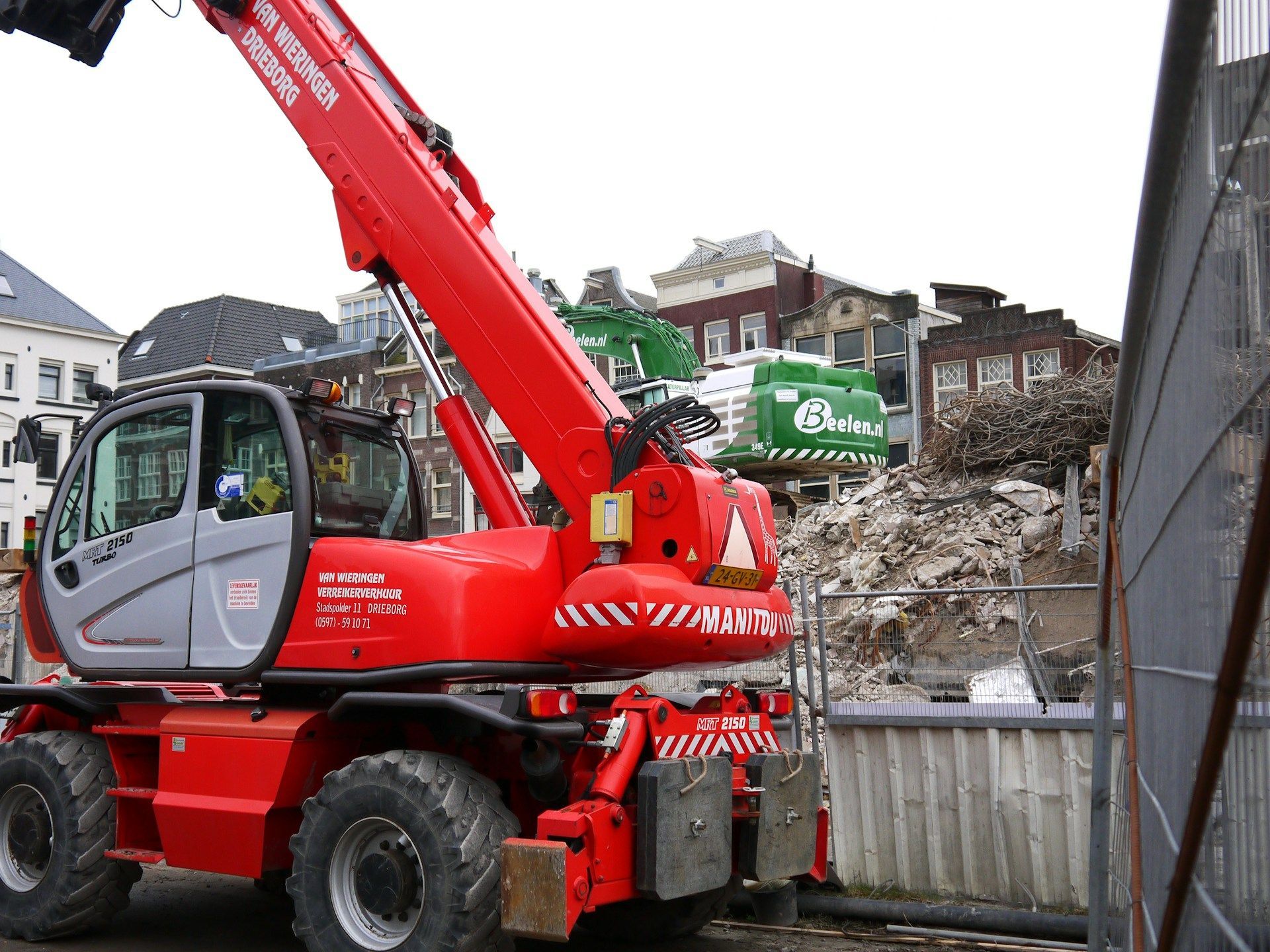
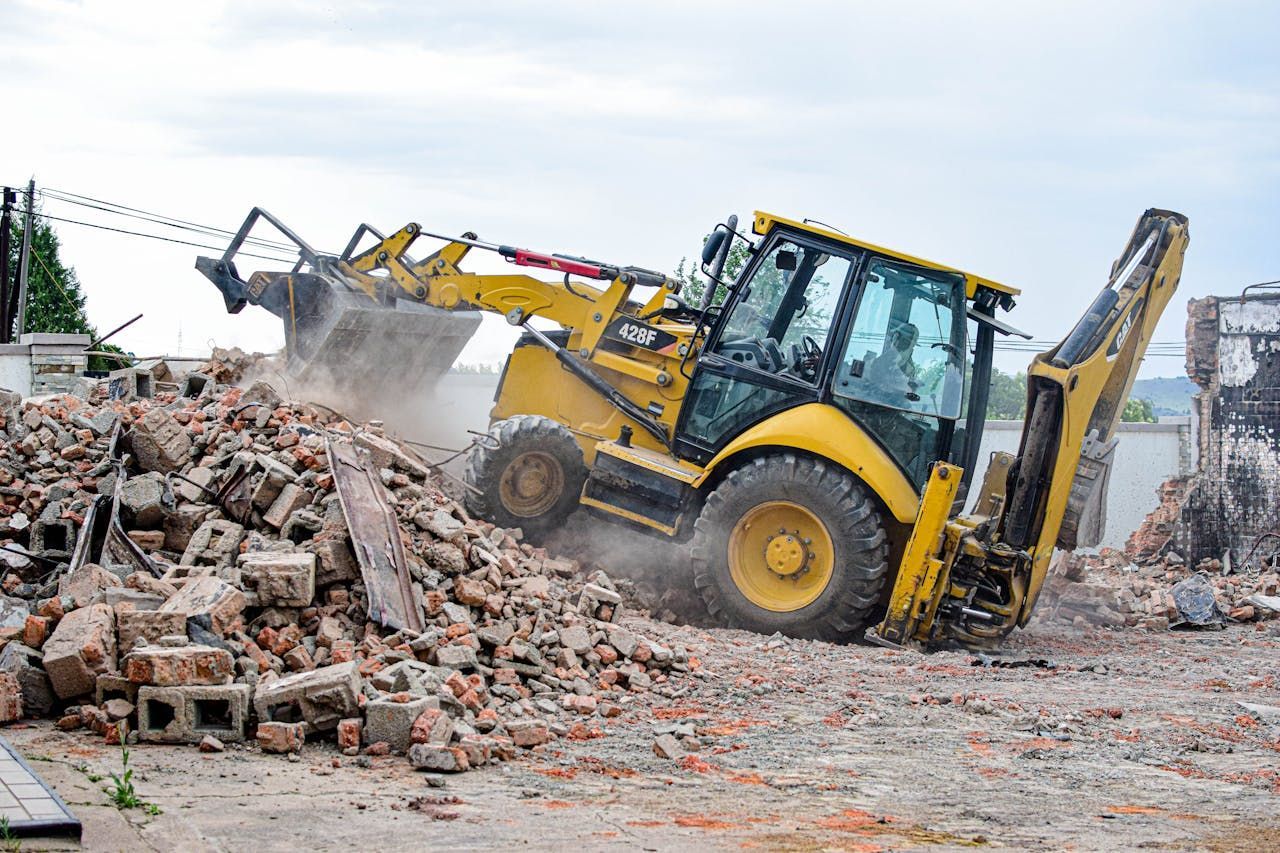
Next comes selective removal with precision equipment. Rather than large-scale teardown, we use tools and methods that allow careful separation of one section from another. During this phase, we pay close attention to:
- Dust controls, such as water spray or containment
- Noise management around neighbors and tenants
- Vibration limits near sensitive structures or equipment
Regular communication during the process keeps owners and managers informed, so there are no surprises as work moves from one phase to the next.
Once the targeted areas are removed, cleanup and preparation follow. Debris is sorted for recycling, reuse, or disposal, in line with local rules. The remaining structure is checked for safety, and the site is shaped to support what happens next, whether that is renovation, an addition, or new construction on part of the lot.
Partner with T-Mac Environmental to Protect Your Investment
Local experience matters when you are dealing with partial building demolition. In the Kansas City area, we see a mix of older masonry buildings, steel-framed commercial spaces, and residential structures, all shaped by local weather patterns and code requirements. Understanding how these buildings are put together helps us plan safe, efficient selective demolition.
At T-Mac Environmental, we focus on safety on every site, from worker training to careful planning and compliance with regulations. We also place strong emphasis on environmentally responsible methods that respect both your property and the wider community. For property owners considering partial building demolition to protect and grow their investment, a thoughtful, professional partner can make all the difference in how smoothly the project goes and how strong the finished result will be.
Get Started With Your Project Today
Whether you are planning a small interior adjustment or a complex structural change, we can design a safe and efficient
partial building demolition plan tailored to your property. At T-Mac Environmental, we assess your needs, manage permitting, and coordinate every phase to minimize disruption and risk. Share a few details about your timeline and scope, and our team will walk you through the next steps. To discuss your project or request an estimate,
contact us today.