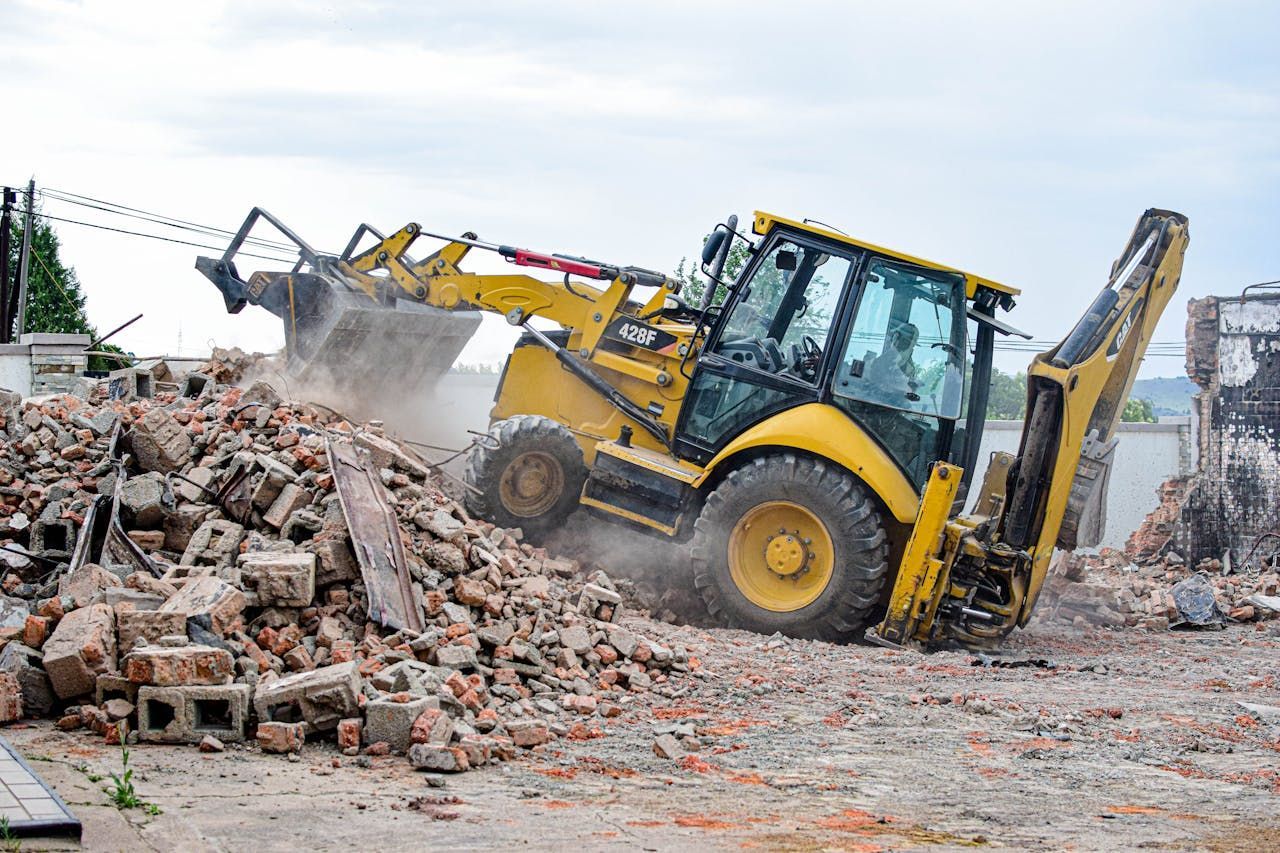
Residential Site Prep Cost Breakdown for Tight Urban Lots
Avoid Budget Surprises Before You Break Ground
Residential site preparation often feels like “extra” work that sneaks up after you buy the lot. In reality, it is the first major phase of your new home build, and it can shape your schedule, your stress level, and how smoothly the rest of the project goes. This is especially true on tight urban lots around Kansas City, where space, access, and older utilities make everything a little more complicated.
The price you pay for land usually does not cover grading, erosion control, temporary utilities, access routes, or inspections tied to that work. Those pieces come later, and if you are not ready for them, they can affect both budget and timeline. Things like narrow streets, overhead wires, and late-summer storms can push costs up or stretch out the schedule, even when the home itself is fairly straightforward.
What Residential Site Preparation Really Includes
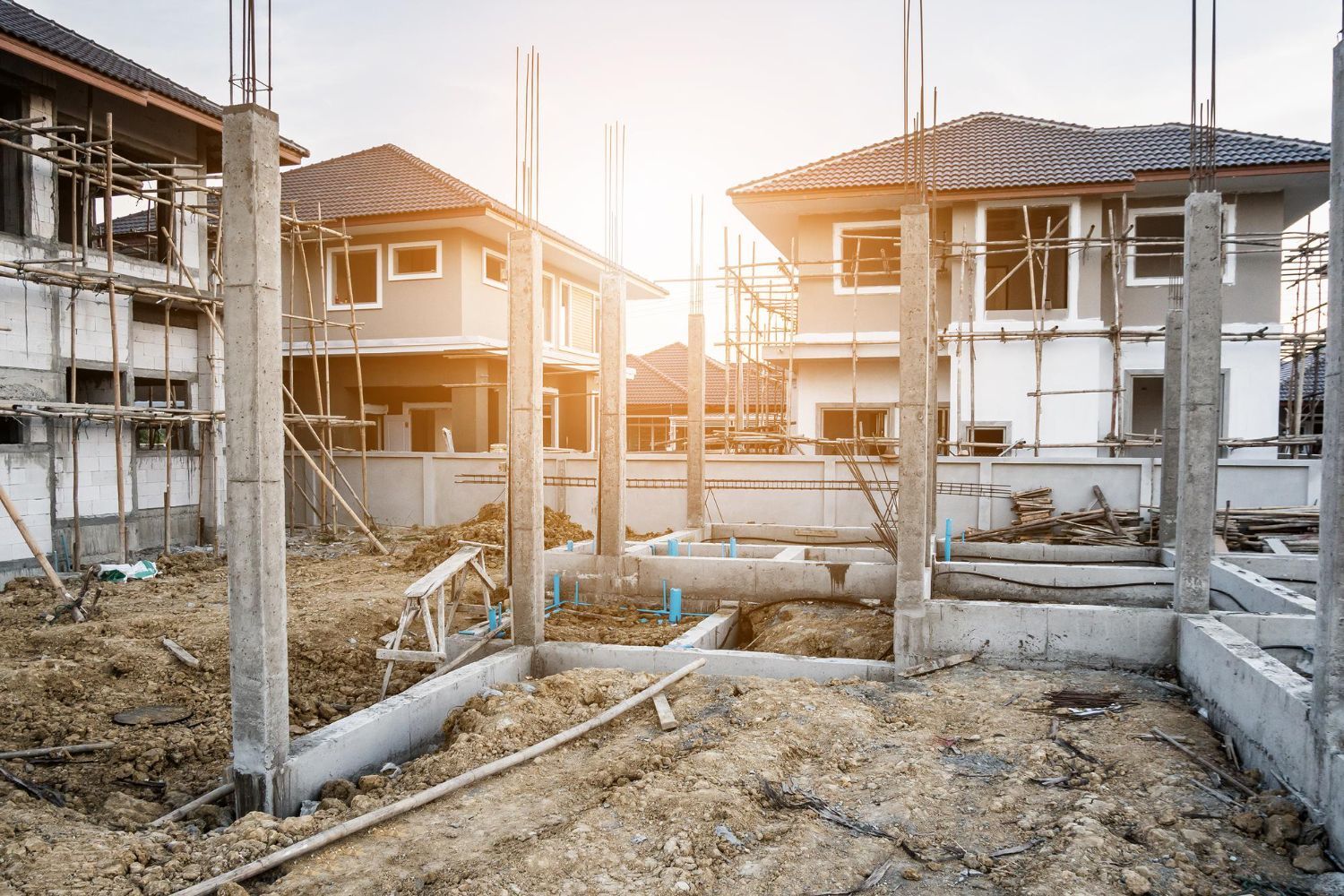
Residential site preparation is everything that happens on the ground before your foundation crew can get to work. In simple terms, it means clearing what is in the way, shaping the land, protecting the soil, managing water, and giving crews safe, solid access to the build area.
Most site prep packages include work in a few main categories:
- Grading and earthwork, cutting and filling soil, moving dirt around the lot, hauling off extra
- Erosion and sediment control, keeping soil from washing into streets, drains, or neighbors’ yards
- Temporary utilities, power and water so crews and equipment can work
- Driveway and haul routes, a stable path for trucks, deliveries, and equipment in and out
- Inspections and permitting tied to land disturbance, erosion control, and access
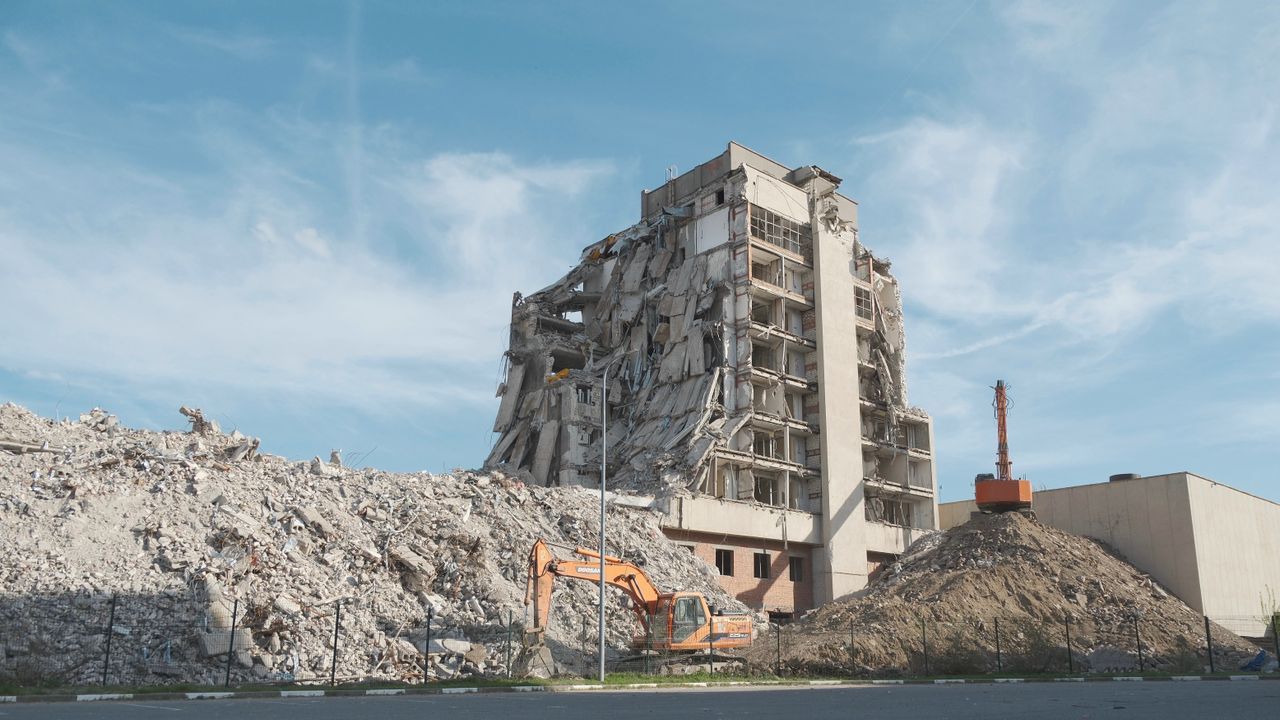
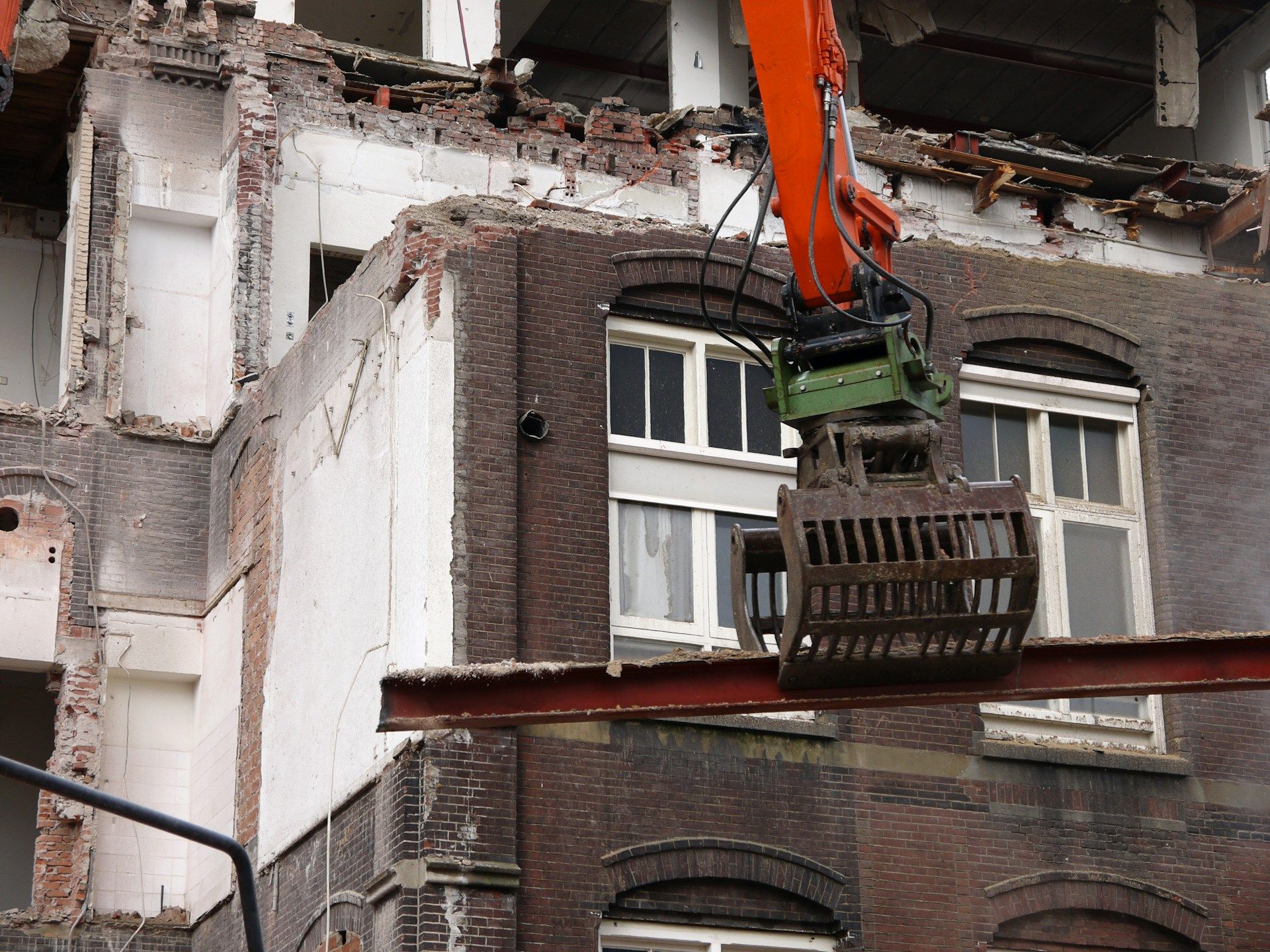
On a small or tight lot, these tasks overlap. For example, the way you grade the site affects how water moves, which affects what kind of erosion control you need and where the access route can go. Working with a professional demolition and site prep contractor helps connect those dots so your builder is not surprised once heavy equipment arrives.
Grading and Erosion Control Costs on Urban Lots
Grading is how we shape the lot so your new home sits at the right height and water flows away from the structure. Pricing is driven by things like:
- Slope of the lot, flat, rolling, or steep
- Existing features, old slabs, patios, retaining walls, and other hard surfaces
- Soil type, how it compacts, drains, or holds water
- How many cubic yards of soil must be moved or hauled off
On tight urban lots, stockpiling soil on site is hard. There may not be room to build a big dirt pile and reuse it later. That can mean more hauling, more truck trips, and more time. If we find buried debris, old foundations, or chunks of concrete during grading, that can also add work.
Most cities and counties require erosion and sediment control when you disturb soil. Common items include:
- Silt fence along low areas of the lot
- Rock construction entrance at the driveway or haul route
- Straw wattles or similar controls on slopes
- Inlet protection around storm drains
- Temporary seeding or blanket on bare soil that will sit for a while
In late summer, sudden heavy storms can wash out poorly planned controls, which may lead to cleanup, repairs, and even re-inspections. Soil problems, like expansive clay or very soft areas, can also change how we grade and protect the site. Experienced local contractors can suggest practical solutions that satisfy code while fitting the real conditions on your property.
Temporary Utilities and Access Routes That Add Up
Before crews can work full-time on a new home, they need power and water. On most residential builds, temporary utilities include:
- A construction power meter or temporary power pole
- Water access for dust control, saws, and soil compaction
- In some areas, temporary sewer or sanitation setups for crews
Who pays for which piece can vary between owner and builder, so it is important to talk about it early. Local utility providers may also have lead times to bring power or water to the site, which can affect when grading or foundation work can safely begin.
Access routes are another key piece. A typical temporary driveway or haul route might include:
- Clearing and stripping soft topsoil
- Placing geotextile fabric where needed
- Adding and compacting layers of gravel
- Protecting or tying into any existing driveway
On narrow urban streets, staging trucks, turning around, and keeping neighbors’ driveways clear can be a challenge. There may be parking limits, tight alleys, or the need for spotters when backing trucks. During hot, dry stretches, dust control may require more frequent watering. Late-summer rain can soften the ground, so extra gravel or reinforcement might be needed to keep trucks from rutting or getting stuck.
Inspections, Permits, and Hidden Cost Drivers
Residential site preparation often triggers several inspections, even before concrete is poured. Common checks include:
- Pre-land-disturbance inspections to verify controls and limits of work
- Erosion control inspections during and after storms
- Haul route or right-of-way inspections where you connect to the street
- Foundation excavation or over-excavation checks
- Final stabilization sign-offs once the site is seeded or otherwise protected
Missed inspections or failed inspections can lead to delays. Crews may have to remobilize if work stops while waiting on approval to continue.
Permitting and compliance also affect time and cost. Typical items can include grading permits, right-of-way permits for work near sidewalks or curbs, and tree protection or removal permits. On tight urban lots, you may also be working very close to neighboring buildings, fences, or shared driveways. Hidden drivers that often surprise homeowners include:
- Utility conflicts in the ground where lines are not where the record shows
- Need for engineered shoring near property lines to protect nearby structures
- Extra coordination with neighbors about access, fences, or shared areas
- Higher safety and insurance needs when equipment operates close to buildings
Why Tight Urban Lots Cost More to Prepare
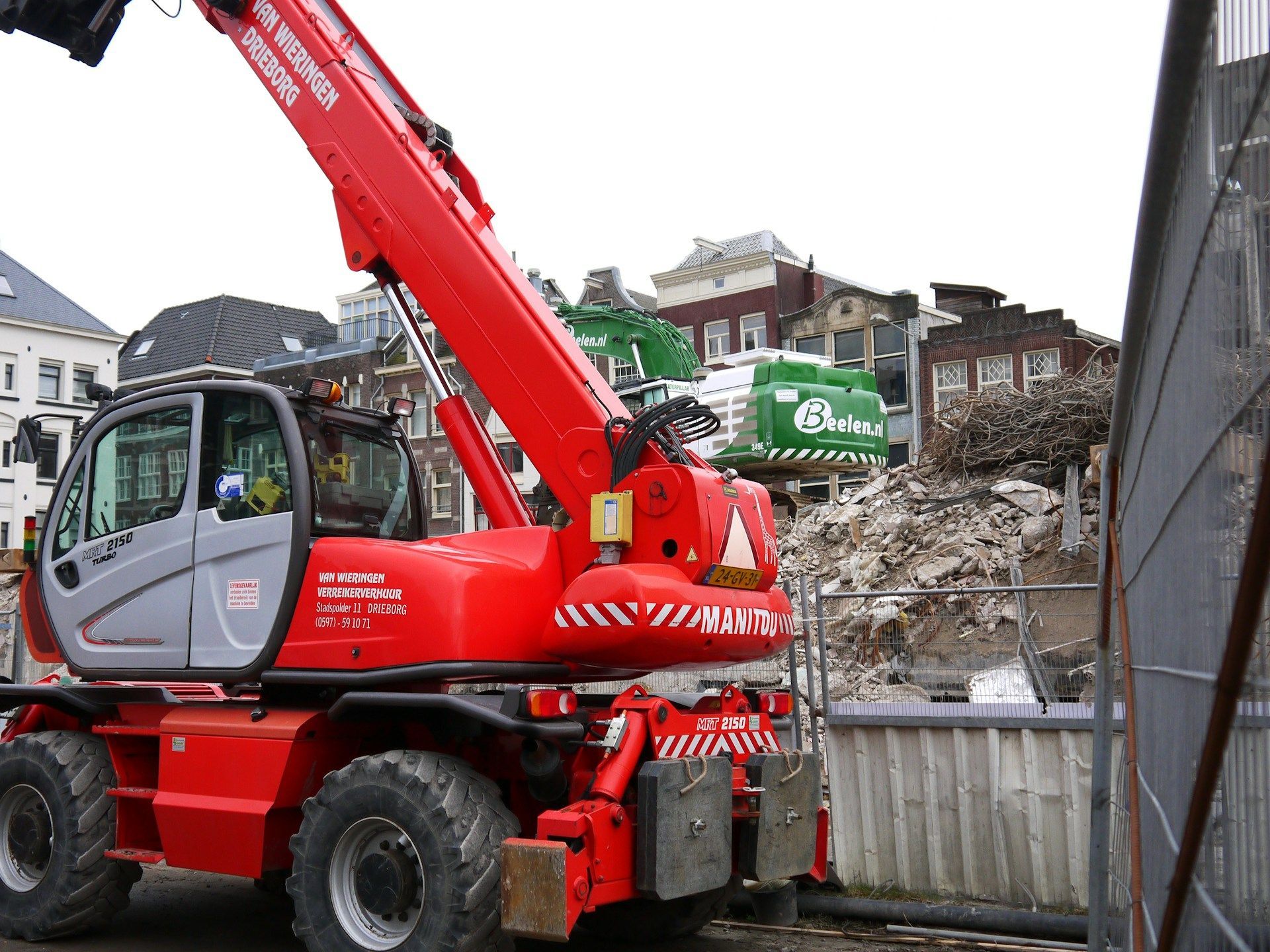
Dense neighborhoods in and around Kansas City can be great places to live, but they usually take more planning on the construction side. Narrow streets, limited spaces to park or stage materials, older underground utilities, and low overhead lines all affect how we approach site prep.
These constraints often cause what we think of as stacked costs:
- Smaller machines that fit the site, which may mean more hours of work
- More handwork in corners, near fences, and along property lines
- More dump truck trips, since there is little room to stockpile soil or debris
- Possible flaggers or basic traffic control so trucks can move safely
Good early planning with your demolition and site prep contractor can help lower some of these added pressures. Adjusting the footprint, changing how far you dig into a slope, or shifting the driveway location can reduce over-excavation and hauling. Coordinating with utilities before work starts helps avoid surprises when you open up the ground. Laying out a simple, direct haul route can cut back on time, fuel, and disruption to your neighbors.
Local contractors like T-Mac Environmental work in these conditions every day, so we understand how neighborhood rules, local codes, and real-world access come together on tight sites.
Plan Your Site Prep Budget with Confidence
The best way to keep your residential site preparation plan on track is to give your contractor good information upfront. Helpful items include:
- A current survey of the lot
- Any geotechnical or soil report you already have
- Known utility locations, both public and private
- Photos of street access, alleys, and overhead lines
- Notes about drainage problems or standing water after rain
When you receive proposals, look for detailed, line-item breakdowns. Grading, erosion control, temporary utilities, driveways or haul routes, and inspections should each be clearly described so you know what is included. For tight urban or infill lots, many owners find it smart to allow some contingency in the site prep portion of the budget to cover unknowns in the soil or utilities.
With clear plans, realistic expectations, and a contractor who understands urban Kansas City conditions, you can move into your new home build with fewer surprises and a much smoother start. T-Mac Environmental is here to help you think through those details so your foundation crew can get to work on a site that is safe, ready, and well prepared.
Get Started With Your Project Today
If you are planning a new build or major improvement, let T-Mac Environmental handle the details of your
residential site preparation so your project starts on solid ground. We will assess your property, recommend the right approach, and complete the work efficiently and safely. Ready to move forward or have questions about your timeline and budget? Just
contact us and we will help you take the next step.