Infill Lot Readiness After Demolition in Kansas City: Grading and Utilities
Set Your Kansas City Infill Lot up for Success
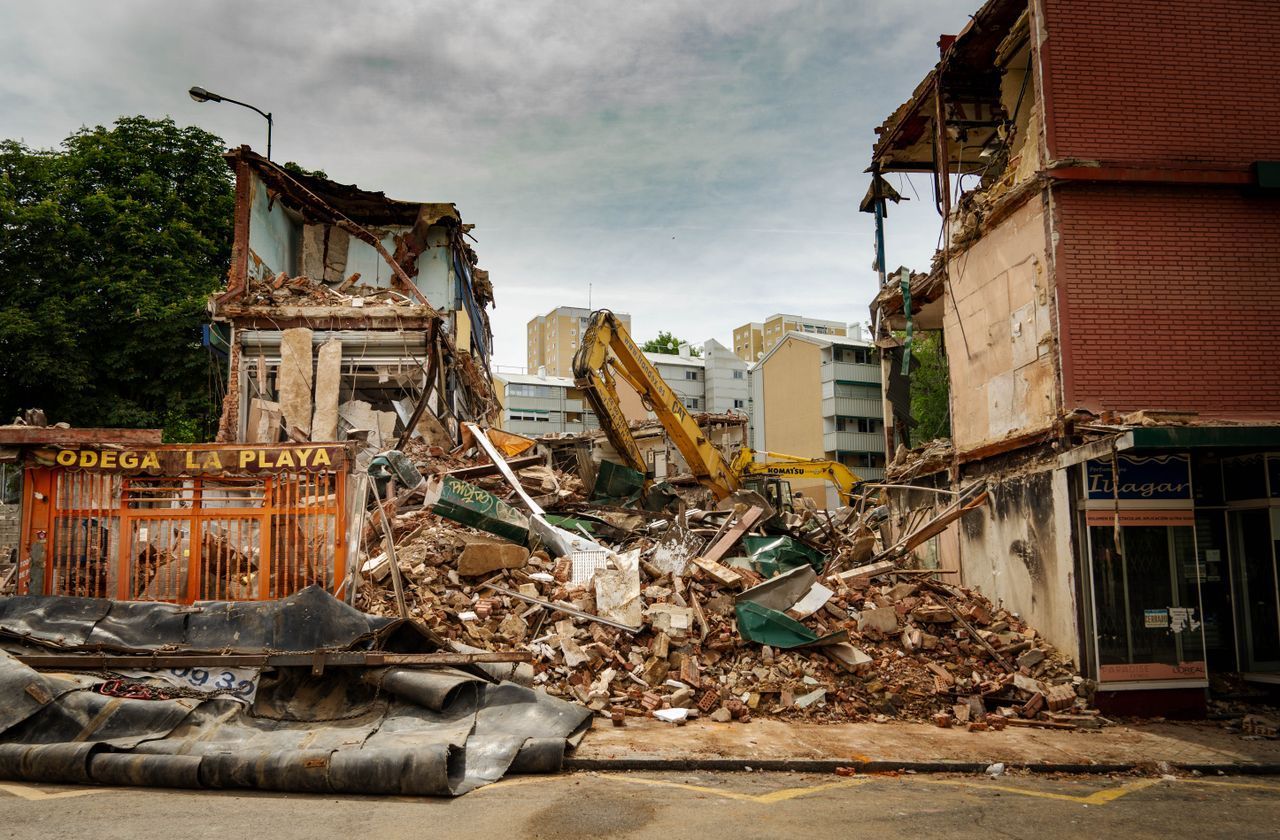
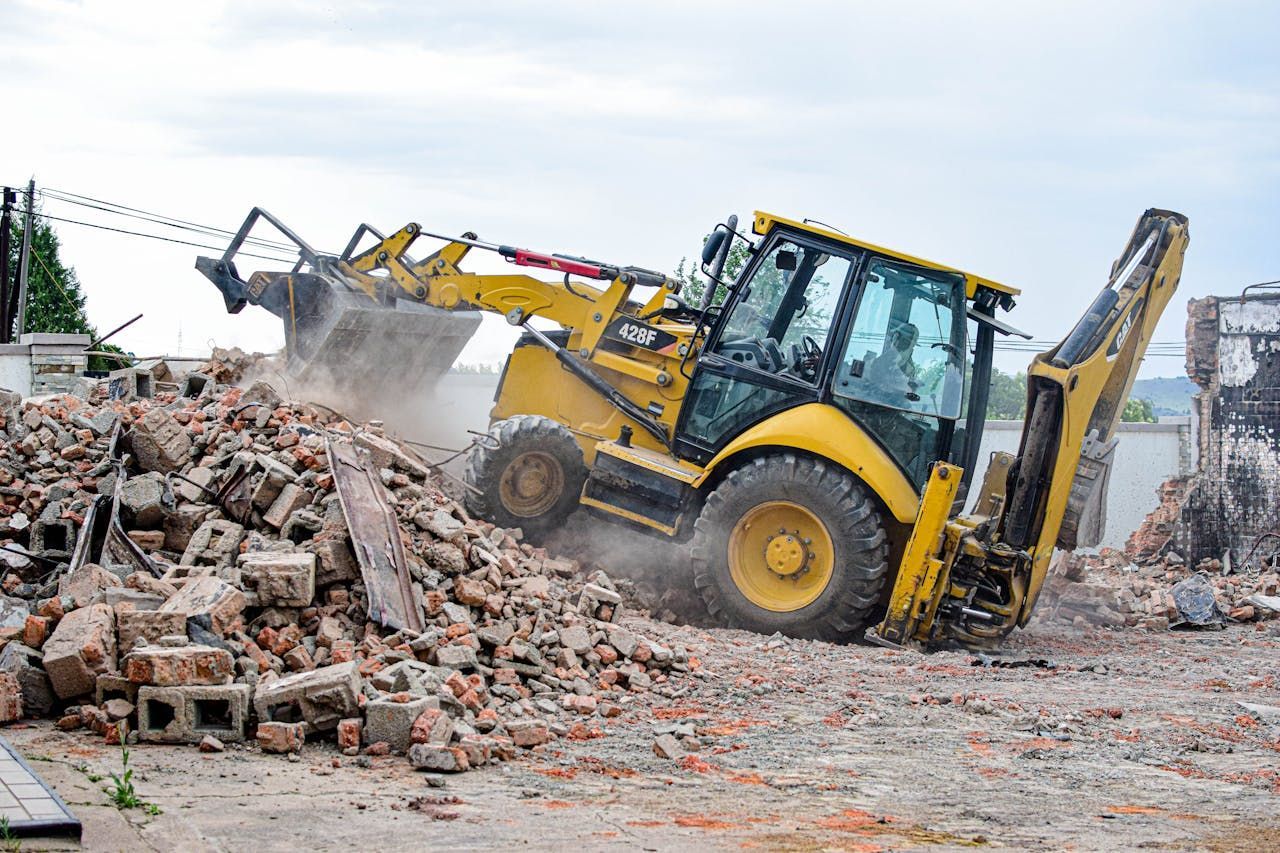
Taking down a house is only half the job. The real test of a good infill project is how ready the lot is for the next build. The work that happens after house demolition in Kansas City affects property value, future construction costs, and how fast your project moves. If the pad is not graded right, compacted well, or planned for utilities, problems can show up months or even years later.
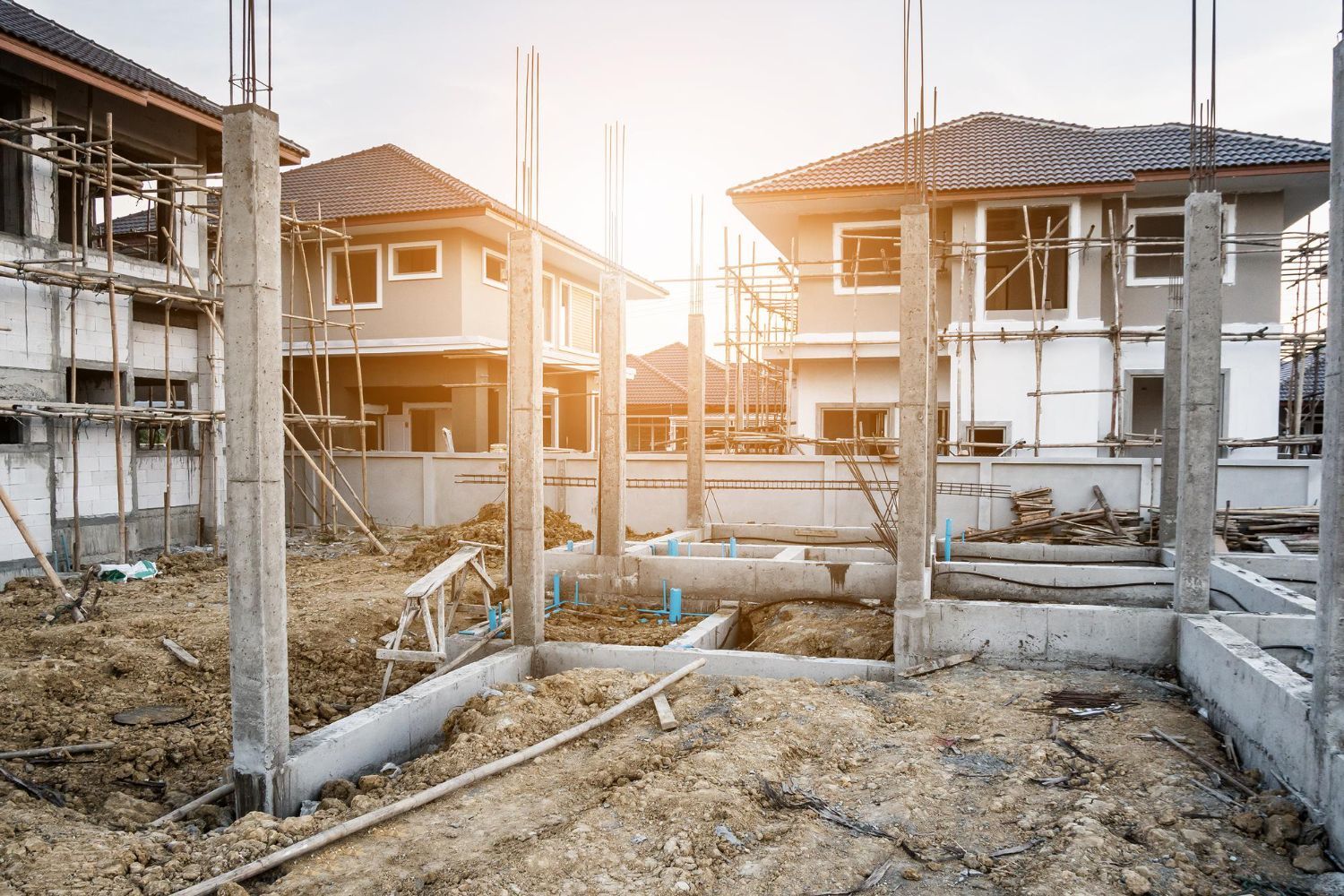
We focus on more than just safe demolition. Our goal is to turn an old building site into a clean, buildable lot that your designer, engineer, and builder are happy to step onto. Three big pieces shape that outcome: precise grading, proper soil compaction, and smart utility stub planning. Late summer in Kansas City often brings dry soil, quick storms, and busy construction schedules, so getting these steps right before fall and winter work start is key for a smooth path to new construction.
From Rubble to Ready Pad: Grading That Prevents Headaches
After a house comes down, the lot can look flat at a glance, but the ground underneath tells a different story. Old foundations, footings, buried debris, and torn-up yards leave uneven terrain and hidden low spots. If those are not fixed, they can cause poor drainage, standing water, and stress on future foundations, driveways, and sidewalks.
Good grading on an infill lot is about shaping the whole site, not just pushing dirt around. A solid plan usually includes:
- Rough grading to remove high spots, fill low areas, and blend in old basement zones
- Setting slopes so water flows away from the future house and toward approved drainage points
- Matching elevations with the street, sidewalk, alley, or neighboring yards
- Leaving enough space for future driveway, garage, and landscaping grades
We also look beyond the property lines. On tight infill lots, small grading mistakes can cause big neighbor problems. Common issues include:
- Overfilling so water gets pushed into the next yard or toward a shared fence
- Cutting too deep along a property line and weakening a neighbor’s yard or retaining wall
- Ignoring how water currently flows to storm inlets, alleys, or side yards
A careful grading review includes checking curb heights, nearby storm drains, alley slopes, and existing drainage paths. This helps keep water where it belongs and protects both your project and the surrounding homes.
Soil Compaction That Protects Future Foundations
Once the grade looks right, the soil still has to perform under the weight of a new structure. Former building sites are full of weak spots. Old basements, crawl spaces, and utility trenches can settle if they are simply backfilled and left loose. That can show up later as cracked slabs, sinking sidewalks, or doors that stop closing right.
Proper compaction is how we tighten the soil so it can support new loads. Good post-demolition compaction usually includes:
- Moisture conditioning, adding water to dry soil or drying out wet soil so it compacts evenly
- Placing fill in thin layers, called lifts, instead of one deep dump of dirt
- Choosing the right equipment, such as plate compactors, trench rollers, or larger rollers for open areas
- Following engineer or city guidelines when density testing is required
Seasonal conditions in late summer play a big role. In Kansas City, August can bring long hot spells that dry the soil out. Very dry soil does not compact well. Sometimes we need to add water and work in shorter sections to hit target density. On the other hand, sudden storms can soak a site and make the top layers soft and messy. In those cases, timing and staging matter. We may:
- Remove or dry out saturated soil before compacting
- Adjust the schedule to allow a wet site to firm up
- Compact in phases so heavy rain does not undo the work
Getting compaction right before the builder starts helps limit settlement, cracking, and delays once forms and footings are in place.
Planning Utility Stubs Before You Pour the First Footing
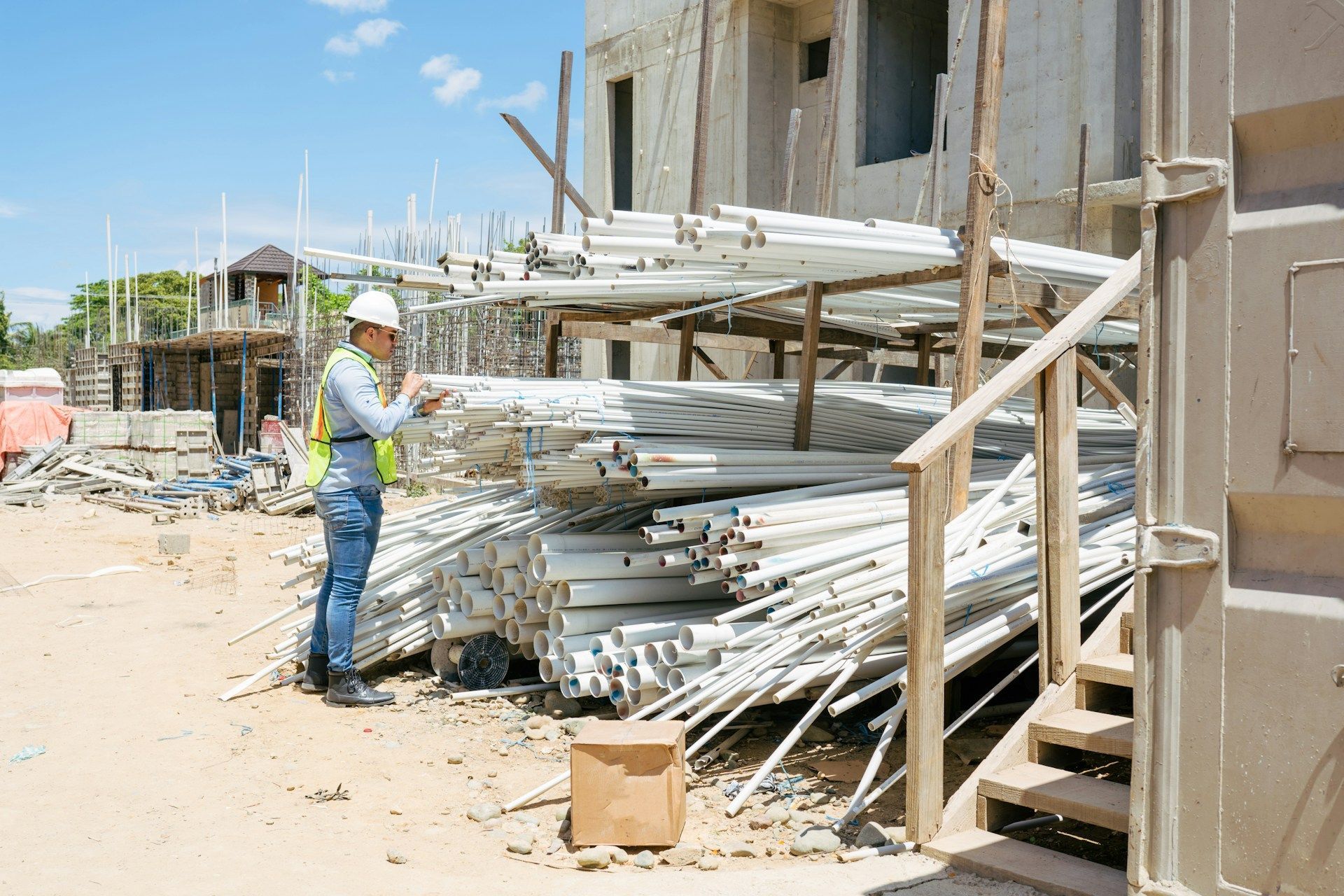
Utility stubs are the short sections of pipe or conduit that carry services from the main lines to the future building. For an infill lot, this usually includes:
- Water service
- Sanitary sewer
- Gas
- Electric and sometimes communications
If utility planning waits until after the new foundation, crews might need to cut through fresh concrete or new landscaping to reach the right spots. That means extra work and risk to the new structure. Laying out stub locations while the site is still open and flexible is a smarter approach.
Good utility stub planning on a lot that has just gone through house demolition in Kansas City often involves:
- Locating old service lines and deciding which to reuse, abandon, or replace
- Safely capping active lines during demolition so they do not become a hazard
- Working with utility providers and city staff for inspections and approvals
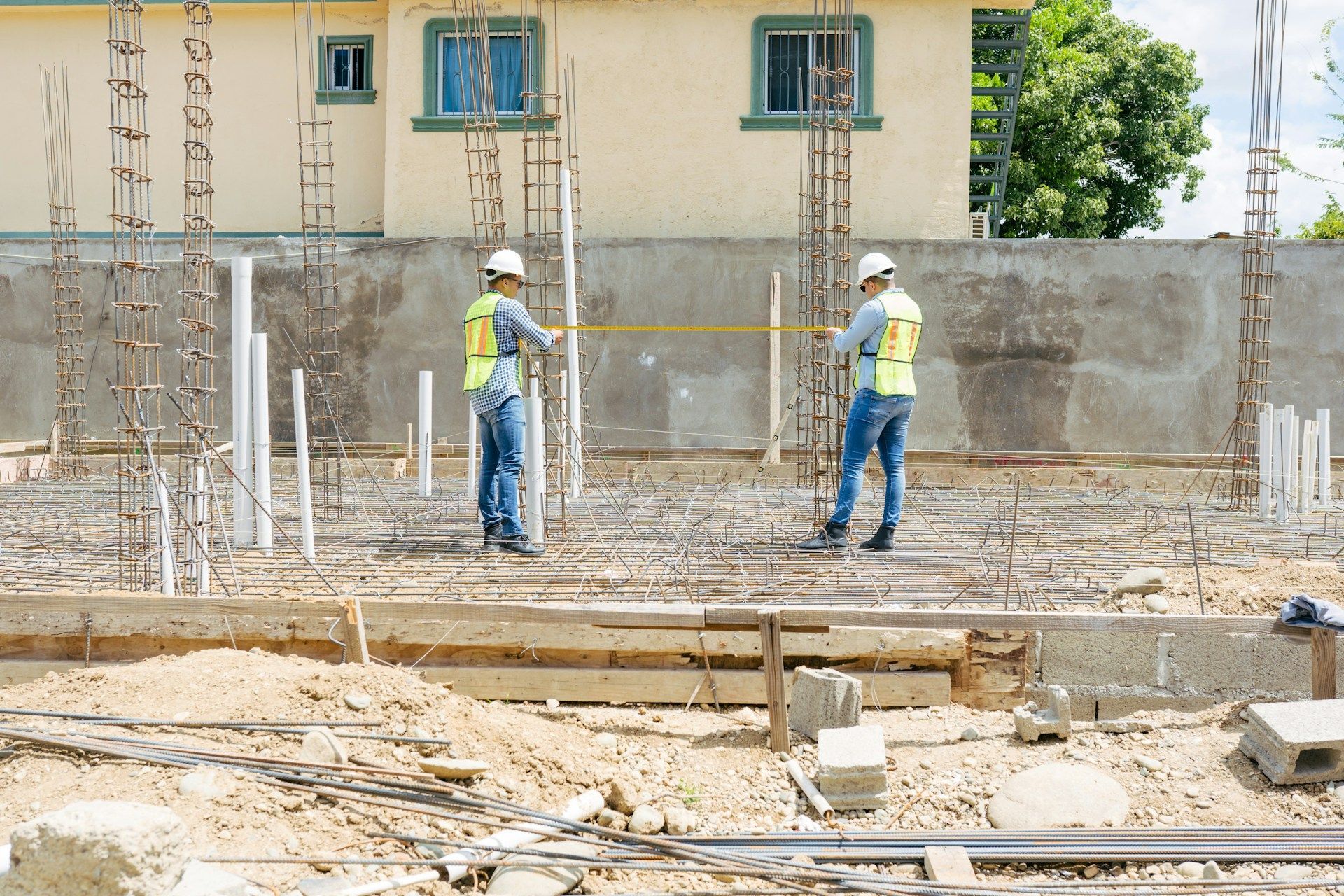
- Aligning stubs with the expected house footprint, garage, and driveway layout
When stubs are in the right place before the first footing is poured, you cut down on surprises. You also lower the chance of hitting unknown lines while trenching later, which helps keep the project safer and more predictable.
Kansas City Codes, Weather, and Neighbor Concerns
Infill work does not happen in a bubble. There are local rules, site controls, and neighbor concerns that need attention between demolition and new construction. On many Kansas City-area lots, this means planning for:
- Erosion control, such as silt barriers or wattles along low edges
- Safe site access so trucks and equipment do not damage curbs or sidewalks
- Defined haul routes to move debris and fill without blocking narrow streets
Dust, noise, and debris can also affect nearby homes. Simple steps like watering down dry soil during grading, cleaning up track-out at the curb, and keeping sidewalks clear go a long way. On tight infill sites, protecting items like fences, shared driveways, and nearby foundations is especially important while compacting and moving heavy equipment.
Weather across late summer into fall adds one more layer. As temperatures change and storms pass through, we plan work so the lot enters the colder, freeze-thaw months in a stable state. That can mean:
- Finishing major grading and compaction before frequent rain or early freezes
- Making sure low spots are not left where water can pond and freeze
- Timing utility trenching so backfill has time to settle and be compacted before hard frost
A site that is clean, shaped, tight, and protected before winter gives the builder a much better start when framing and concrete work pick up again.
Partner with a Demolition Team That Delivers Build-Ready Lots
Getting an infill lot truly ready takes more than pushing a house into a pile and hauling it away. It takes careful grading, solid compaction, and thoughtful utility planning that fits your future build and your neighborhood. When those pieces are handled well, your builder can move faster, your site is safer, and the risk of surprise problems goes down.
At T-Mac Environmental, we focus on both demolition and site preparation, turning old structures into build-ready pads across the Kansas City area. Our approach to house demolition in Kansas City includes planning for grading, soil compaction, and utility access so the next phase of your project starts on firm ground.
Get Started With Your Project Today
If you are ready to clear the way for a safer, more functional property, our team at T-Mac Environmental is here to help. Explore our full range of services, including
house demolition in Kansas City, to find the right solution for your project. We will walk you through each step, from initial assessment to final cleanup, so you know exactly what to expect. Have questions or need a quote right away? Simply
contact us and we will respond promptly.