Summer Demolition Heat and Air Quality Controls: Dust and Worker Safety
Keep Summer Demolition Safe, Clean, and Neighbor-Friendly
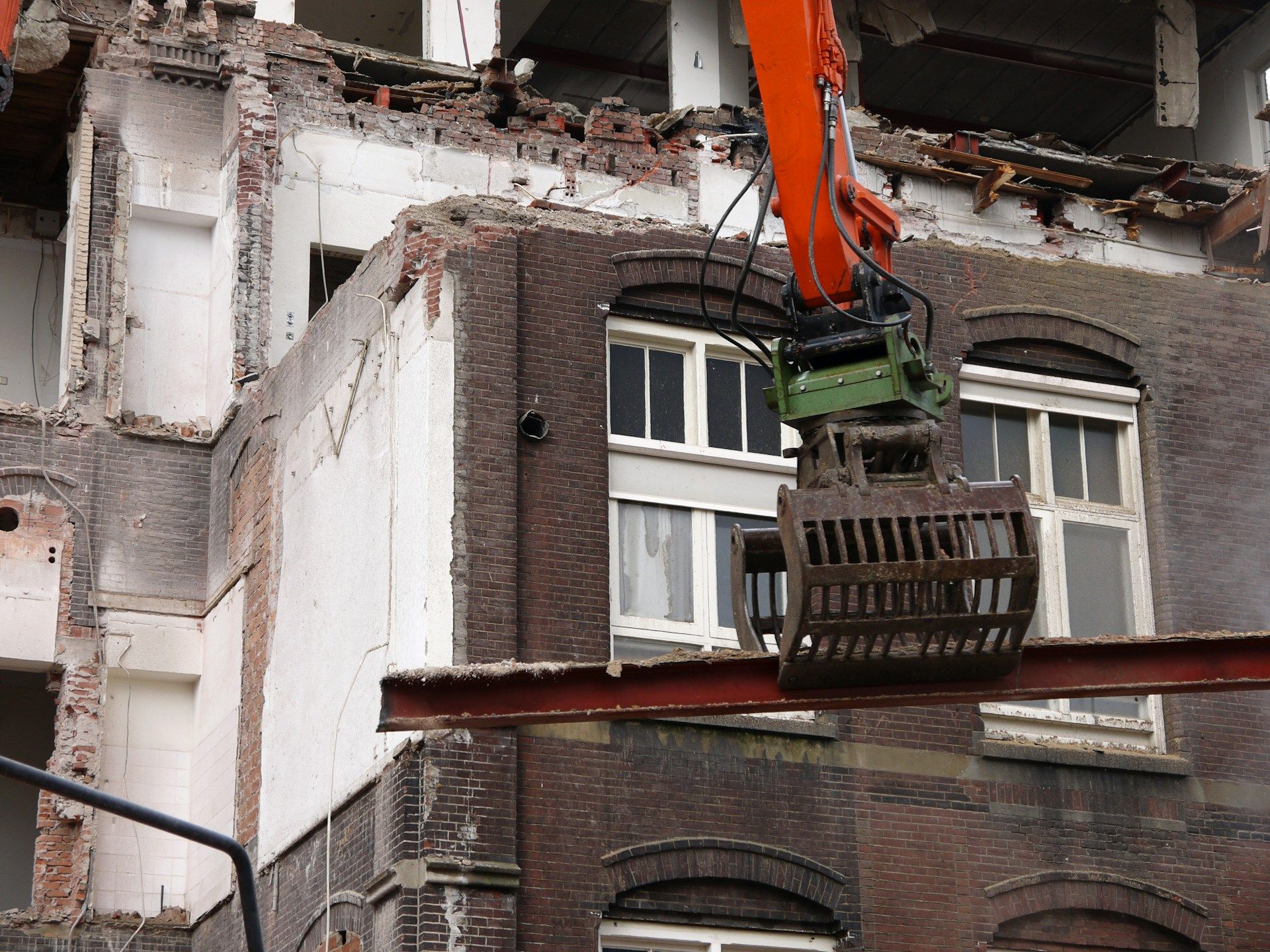
Summer is a busy time for demolition and debris removal in Kansas City and across the Midwest. Warm weather makes it easier to work outside, but it also brings heat, dust, and changing air quality that can quickly turn a simple teardown into a risky job if it is not managed well. When temperatures climb and the air gets dry or smoky, every move on a site affects workers, neighbors, and the surrounding environment.
Uncontrolled dust can drift across property lines, land on cars and homes, and make it harder to breathe. Extreme heat can slow down crews or even send someone to the hospital. Poor air management can delay progress and upset nearby residents and businesses. At T-Mac Environmental, we plan summer work with those risks in mind so every demolition and debris removal project stays safe, respectful, and efficient.
How Summer Heat Changes the Demolition Game
Summer weather changes how debris behaves and how far dust travels. High heat dries out materials like brick, concrete, and drywall, so when they are broken apart, they can release more fine particles into the air. Stronger summer winds can then pick up those particles and carry them beyond the job site if they are not controlled.
Humidity adds another challenge. While moisture in the air can help some dust settle, it also makes the work feel heavier. Crews loading debris, cutting, or operating equipment are working hard in gear that does not always breathe well. That raises the risk of heat-related issues such as:
- Heat cramps in arms, legs, or stomach
- Heat exhaustion with heavy sweating, and weakness
- Heat stroke with confusion, hot skin, or loss of consciousness
On top of the heat, there are days when regional air quality is already poor, such as:
- Ozone alert days when ground-level ozone is higher than normal
- Days when wildfire smoke drifts into the area
- Periods with stagnant air that traps pollution close to the ground
When that happens, demolition and debris removal needs extra care. Work may need to shift to cooler hours, protective gear may change, and dust control has to be even more precise so we are not adding to an already stressed environment.
Smart Dust Suppression That Respects Air and Water
Good dust control in summer is about timing, technique, and respect for water. The goal is simple: keep dust from becoming airborne in the first place, instead of trying to chase it after it spreads. That starts with choosing methods that treat materials before and during demolition.
Common best-practice tactics include:
- Timed water misting before and during active demolition
- Wet methods on saws, breakers, and other tools that cut or grind materials
- Phased material handling so debris is moved in controlled stages, not all at once
- Covering or moistening debris piles when winds pick up
At T-Mac Environmental, we also pay attention to where the water goes. Flooding a site might knock down dust, but if that water runs off into storm drains or onto neighboring properties, it can cause its own problems. To avoid that, we:
- Direct water flow away from drains, creeks, and sensitive landscaping
- Adjust volume so surfaces stay damp, not soaked
- Use spot misting instead of wide, uncontrolled spraying when space is tight
Different tools help us match the method to the site. Misting cannons can blanket a large area with a fine spray. Hose lines with adjustable nozzles work well for close control around equipment or hand work. Water trucks can treat access roads and large debris piles. Crews are trained to watch wind direction and speed so they can shift equipment or increase misting where dust might be blowing toward nearby homes or businesses.
Protecting Crews From Heat, Dust, and Poor Air Quality
Safe demolition and debris removal in summer starts with planning the workday. When possible, high-exertion tasks happen in the cooler morning hours. As the day heats up, crews move to lighter tasks, machine work, or work that can be done in shade. Built-in rest periods are not a luxury; they are part of the safety plan.
Practical steps we use to protect crews include:
- Shade structures or canopies for rest areas
- Cool, clean water always on hand and easy to reach
- Scheduled breaks, not just breaks “when there is time”
- Rotating tasks so no one stays too long in the hottest, dustiest zone
Personal protective equipment is chosen to balance protection with comfort as much as possible. For dusty or poor air-quality conditions, we add:
- Respirators or masks suitable for the type of dust present
- Eye protection to keep fine particles out of eyes
- Gloves and clothing that protect skin but still allow some airflow
On-site, supervisors and crew members work together to watch for early signs of trouble. We use:
- Hydration plans that set minimum drinking goals through the day
- Buddy systems so workers check on each other
- Regular check-ins where supervisors look for signs of heat stress or breathing issues
Training is just as important as equipment. Workers learn what symptoms to report and are encouraged to speak up early. Catching a problem when someone only feels “a little off” can prevent a serious emergency later in the day.
Keeping Neighbors Safe, Informed, and Comfortable
Summer work also affects people who are not on the job site. Open windows, outdoor dining, and kids playing outside all mean neighbors are more likely to notice dust, noise, and truck traffic. Respecting those neighbors is part of doing the job right.
We use perimeter controls to keep dust and debris where they belong, such as:
- Fencing or barriers around active work zones
- Localized misting along property lines when dust could drift
- Ground covers or mats in high-traffic areas to cut down on tracked dirt
Communication helps prevent surprises. Before major demolition and debris removal activities, we support property owners in sharing:
- Advance notices about start dates and expected duration
- Posted work hours so people know when to expect more noise or truck movement
- A clear point of contact for questions or concerns
To limit disruption, we pay attention to when and how the most intense work happens. That can mean:
- Timing the dustiest tasks for mid-day when fewer neighbors are outside
- Planning truck routes that avoid tight residential streets when possible
- Cleaning up debris, mud, or dust that reaches adjoining streets and sidewalks promptly
These steps help keep the peace with nearby residents and businesses and build trust that the work is being done with care.
Choosing a Demolition Partner That Manages Summer Risks
Heat and air-quality controls during demolition and debris removal are not just “nice extras.” They protect workers, keep projects moving, and show respect for the community around the site. Any Kansas City contractor working in summer conditions should be ready to explain how they handle dust, heat, and neighbor concerns before the first wall comes down.
If you are a property owner, facility manager, or developer, some useful questions to ask include:
- How do you control dust on hot, dry, or windy days?
- What steps do you take to protect workers from heat stress?
- How do you adjust operations when local air quality is already poor?
- What do you do to prevent dust and debris from affecting neighboring properties?
- How will you keep nearby residents and businesses informed during the project?
At T-Mac Environmental, we plan every summer project with these issues in mind from the start. Our focus on safety, environmental responsibility, and respect for surrounding communities guides how we approach demolition and debris removal in hot weather. Thoughtful planning, the right equipment, and clear communication help keep everyone safer and more comfortable while the work gets done.
Get Started With Your Project Today
If you are planning a renovation, teardown, or site cleanup, we can handle the heavy lifting so you can focus on what comes next. At T-Mac Environmental, our
demolition and debris removal services are tailored to keep your project safe, efficient, and on schedule. Share a few details about your property and goals, and we will recommend the best approach for your timeline and budget. Ready to move forward with a quote or have questions about your specific site conditions? Just
contact us and we will walk you through the next steps.