Demolition in Tight Urban Sites: How Pros Protect Adjacent Buildings
Safe Urban Tear-Downs That Protect Your Investment
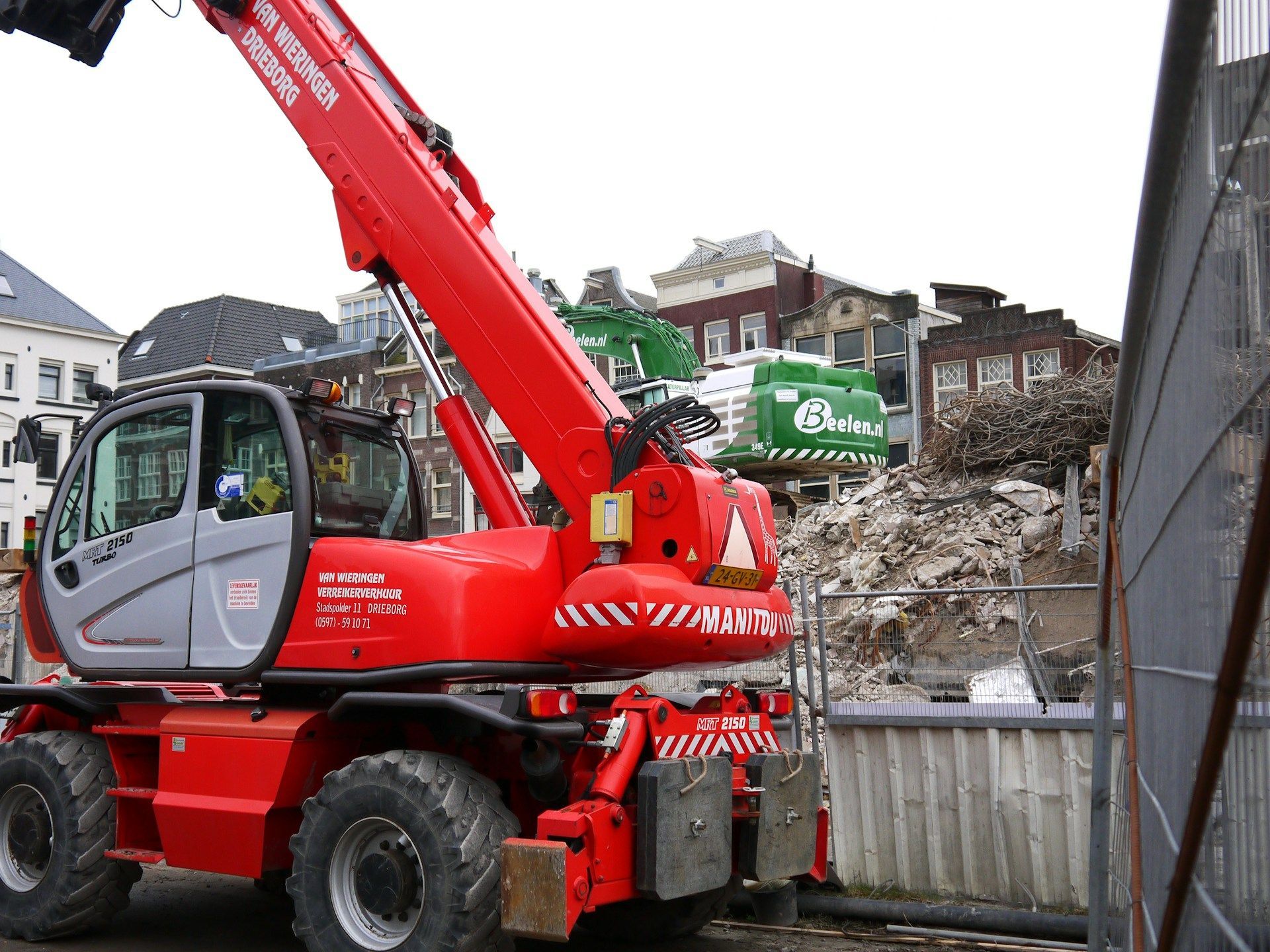
Structural demolition in a tight city block is a very different job than dropping a building in the middle of an open field. In downtown Kansas City and other dense cores, buildings share walls, sit right on the property line, and rest on aging foundations. Every cut, every piece of steel, and every bucket of debris has to be planned so nearby properties stay safe.
Risks stack up quickly in these settings. Shared or party walls, buried utilities, and older brick buildings all react differently to vibration and shifting loads. A move that would be fine on a wide suburban site can crack a neighbor’s wall when the buildings are only a few feet apart.
That is where engineering-led structural demolition services come in. With selective demolition, carefully designed shoring and bracing, and real-time vibration monitoring, we can take down a structure in stages while protecting what stays in place around it. At T-Mac Environmental, we have managed tight urban projects in and around Kansas City, working with city inspectors, nearby owners, and redevelopment teams to keep schedules on track.
Summer construction often adds pressure. Longer daylight hours invite more work, yet compressed July and August timelines mean there is less room for mistakes. Good planning and precise methods help keep demolition moving so new building work can start before weather turns.
Pre-Demolition Engineering That Makes Urban Sites Safer
Before the first wall comes down, the most important work is quiet and careful. Engineers and demolition professionals need to understand how the building actually stands, not just how old drawings say it does.
Key pre-demolition steps often include:
- Structural surveys to confirm load paths and framing
- As-built checks to find hidden changes and past repairs
- Testing and probing to see the true condition of key members
- Reviewing any known issues like settlement or water damage
In older city cores, many buildings have been changed several times. Interior columns might have been removed, new openings cut, or heavy rooftop units added. All of that changes how the building will behave when pieces start to come out.
We also study how the work could affect neighbors. That means:
- Mapping shared foundations and party walls
- Locating basements, tunnels, and vaults near sidewalks
- Tracing gas, water, electric, and telecom lines through the block
- Looking at nearby street traffic and pedestrian routes
Permits and coordination are a big part of this phase. Crews work with city officials, utility providers, and sometimes transit agencies to plan shutoffs, lane closures, and any needed overhead protection or scaffolding. In summer, heat and dust control become bigger concerns. Longer work windows are helpful, but they also require more focus on crew hydration, shaded breaks, and air and water systems to keep dust from drifting into nearby homes and businesses.
Selective Demolition Techniques That Control Every Move
On a tight urban site, demolition is not about brute force. Selective demolition means taking a building apart in a planned sequence, often floor by floor and bay by bay, so loads move in a predictable way.
Common selective methods include:
- Hand demolition for delicate areas or shared walls
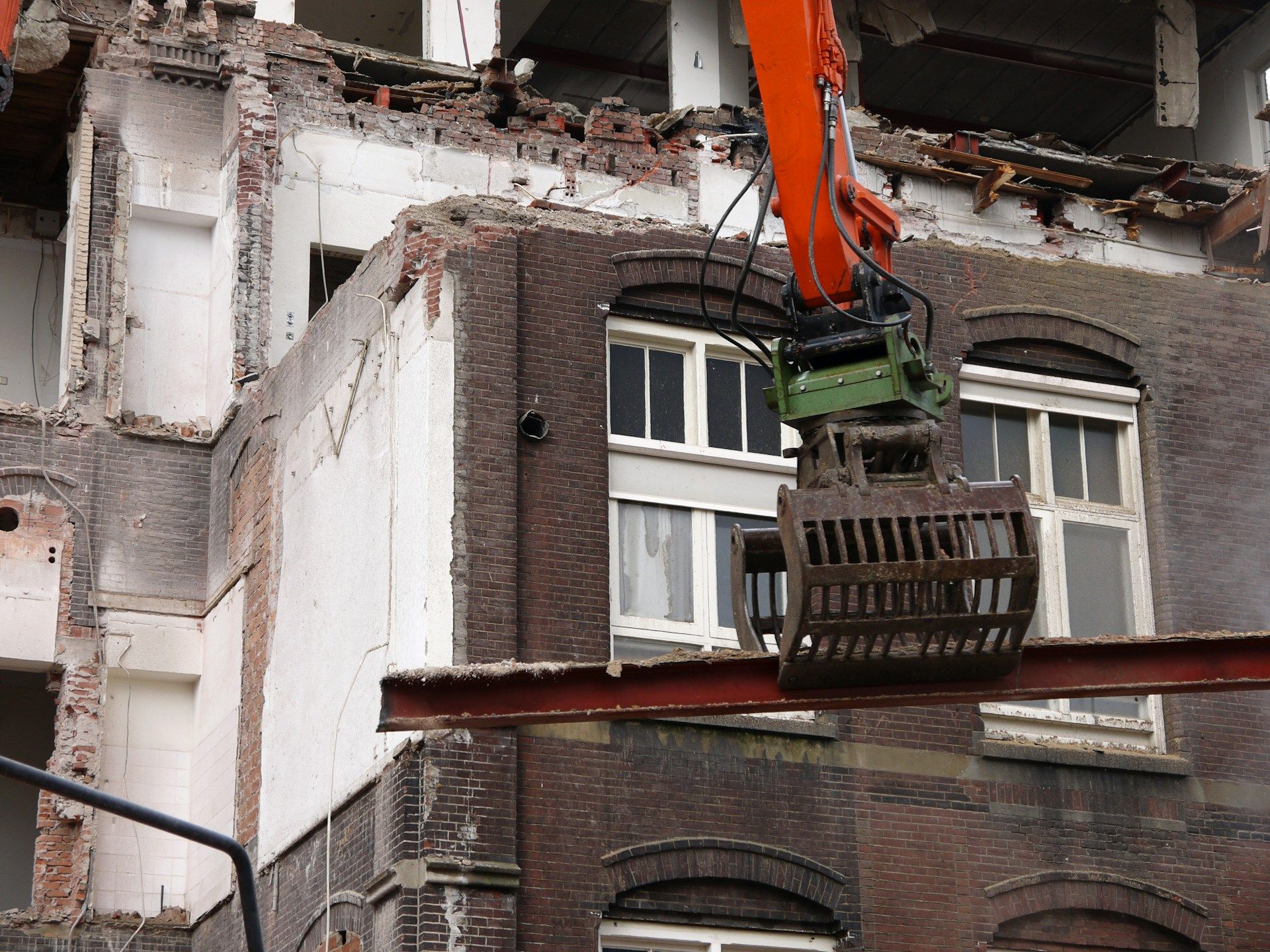
- Small excavators with grapples or shears for tight exterior work
- Saw cutting concrete and masonry to control break lines
- Robotic demolition machines for interior slabs and beams
Using these tools, we can limit noise, dust, and vibrations that travel through shared walls or older masonry. We also reduce the risk of unintended load shedding, where removing one piece suddenly puts too much stress on another area or on a neighboring structure.
Experienced structural demolition services often work with design teams to save certain portions of a building. That might be a historic facade, a stair tower, or a structural frame that will tie into the new project. A clear selective demo plan lets us protect what stays while safely removing what goes.
This type of work can take longer than a large mechanical knockdown. But in tight city locations, careful selective demo often means fewer surprise repairs, fewer neighbor claims, and less risk of schedule delays from damage investigations.
Shoring and Bracing That Keep Buildings Standing Firm
Temporary support is the quiet hero of many safe urban demolition projects. Shoring and bracing hold up the pieces that need to stay in place while other parts come down.
Engineers design systems such as:
- Pipe shores to support beams, slabs, or walls from below
- Needle beams that carry loads through a wall while openings are created
- Raker shores that brace tall or slender walls from the outside
- Interior steel frames that stabilize cut-up structures
These supports must account for live loads from workers, debris, and equipment movement, along with wind and weather. In party wall situations, shoring might extend into a neighboring building, under a sidewalk, or across a property line, all under agreed terms with the owners involved.
Shoring is not static. It is installed, adjusted, and removed in step with the demolition sequence. That takes close coordination between the demolition team and the structural engineer, especially when the schedule is tight. Many owners hope to finish exterior structural work in the warm months, so smart shoring design helps keep demolition moving faster without trading speed for safety.
Vibration Monitoring and Real-Time Risk Management
Even when a building is structurally safe, vibration from demolition can cause cracks in older finishes next door. Masonry, plaster, and brittle trim can all react to repeated impacts from breaking concrete or dropping debris.
To manage this, many projects include:
- Baseline condition surveys with photos and videos of nearby buildings
- Seismographs or vibration sensors placed at key locations
- Agreed vibration limits based on standards or engineer advice
- Regular reporting to owners and city officials
Baseline surveys help show what was there before work began, which reduces conflict later. During demolition, vibration monitors track each activity in real time. If readings start to approach set limits, crews can slow down, change equipment, or alter the sequence.
Clear communication about vibration monitoring helps build trust with neighboring owners and tenants. This can matter even more in summer when patios are full, windows are open, and more people are in and around the site throughout the day.
How to Choose Urban-Savvy Structural Demolition Services
Not every demolition contractor is a good fit for tight urban work. Owners, developers, and general contractors should look for teams that understand both engineering and on-the-ground realities.
Helpful questions to ask include:
- Do you work with engineers on selective demo and shoring plans?
- What similar tight urban projects have you completed?
- How do you plan vibration monitoring and neighbor protection?
- How do you handle traffic and pedestrian routing around your sites?
It is also smart to review safety records, insurance coverage, and familiarity with local codes and permit processes in Kansas City and nearby communities. Strong planning, documented work plans, and clear communication with neighbors can prevent many problems before they start.
Environmental practices matter in city cores as well. Responsible debris handling, recycling where possible, and proper handling of materials like asbestos or lead paint all support both compliance and community trust. At T-Mac Environmental, we focus on engineered planning, safe structural demolition, and debris management that supports clean, efficient redevelopment for the next phase of the site.
Get Started With Your Project Today
If you are planning a complex teardown or site preparation, our team at T-Mac Environmental is ready to help you move forward with confidence. Explore our
structural demolition services to see how we handle projects safely, efficiently, and in full compliance with regulations. When you are ready to discuss your timeline, budget, and project goals, simply
contact us and we will walk you through the next steps.